Introduction
Margaret’s Ranee Mouse, scientifically known as Haeromys margarettae, is a unique and lesser-known species of rodent that inhabits select regions of Southeast Asia. Named after Margaret, who likely contributed to its discovery or study, this small mammal is part of the Muridae family, which includes a vast array of mice and rats. Despite its small size, the Margaret’s Ranee Mouse plays a significant role in its ecosystem, contributing to seed dispersal and serving as prey for various predators. This article delves into the physical characteristics, habitat, behavior, and conservation status of Margaret’s Ranee Mouse, providing a comprehensive overview of this intriguing species.
Physical Description
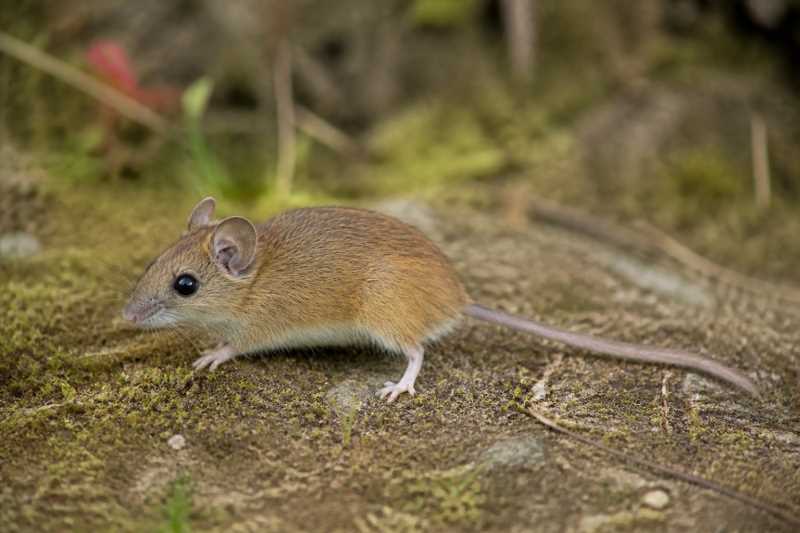
Margaret’s Ranee Mouse is a small rodent, typically measuring between 7 to 10 centimeters in body length, excluding its tail, which can add an additional 8 to 12 centimeters. The mouse has a distinctive slender build, with a soft, dense coat that is usually a shade of brown or gray, providing excellent camouflage within its natural habitat. The underbelly is generally lighter, ranging from white to a pale gray. One of the most noticeable features of the Margaret’s Ranee Mouse is its large, rounded ears, which are highly adaptive for detecting subtle sounds in its environment.
The eyes of the Margaret’s Ranee Mouse are relatively large, an adaptation that enhances its nocturnal lifestyle. Its whiskers are long and sensitive, aiding in navigation and spatial awareness in the dark. The tail is scaly and semi-prehensile, providing balance and aiding in climbing vegetation. The feet are equipped with sharp claws, suitable for gripping and climbing.
Range and Habitat
Margaret’s Ranee Mouse is primarily found in the lowland and montane forests of Southeast Asia, with confirmed populations in Borneo and potentially other parts of Indonesia and Malaysia. These forests provide the ideal environment for the species, offering ample cover and a rich supply of food resources.
The species favors dense, humid forested areas where it can utilize the undergrowth for shelter and foraging. The mouse is adept at navigating both the ground and the lower canopy, thanks to its climbing abilities. This adaptability allows it to exploit a range of habitats within the forest, from riverine areas to drier upland zones.
The continued existence of Margaret’s Ranee Mouse is closely tied to the preservation of its forest habitat, which is currently threatened by human activities such as logging and agricultural expansion.
Behavior and Diet
Margaret’s Ranee Mouse is primarily nocturnal, spending the daylight hours sheltered in burrows or dense vegetation. It emerges at night to forage for food, utilizing its keen sense of smell to locate sustenance. The diet of Margaret’s Ranee Mouse is omnivorous, consisting of seeds, fruits, insects, and other small invertebrates. Its role as a seed disperser is particularly important to the ecological health of its forest habitat.
Socially, Margaret’s Ranee Mouse is thought to be solitary or to live in small family groups. Little is known about its reproductive habits, but like many rodents, it is likely capable of producing several litters per year, each with multiple offspring. Communication among individuals likely involves a combination of vocalizations, scent markings, and body language.
Identification Tips (Field Recognition Cues)
Identifying Margaret’s Ranee Mouse in the field can be challenging due to its small size and elusive nature. However, there are several key features to look for:
- Size and Build: Look for a small, slender rodent with a length of 7 to 10 centimeters, excluding the tail.
- Coat Color: The mouse has a brown or gray coat with a lighter underbelly, aiding in camouflage.
- Ears and Eyes: Large, rounded ears and relatively large eyes for night vision are characteristic.
- Tail: A long, scaly tail that is semi-prehensile and often equal to or longer than the body.
- Habitat: Typically found in dense forest undergrowth, both on the ground and in lower canopy levels.
Listening for activity during nighttime hours and examining potential food sources like fruits and seeds can also aid in identification.
Conservation Status (with Threats and Protections)
As of the latest assessments, Margaret’s Ranee Mouse is not well-documented in terms of population trends, largely due to its elusive nature and the limited scope of studies conducted. However, it is believed to be facing threats from habitat destruction caused by deforestation and land conversion for agriculture and human settlement.
The primary conservation threat to Margaret’s Ranee Mouse is the loss of its forest habitat. Logging operations, both legal and illegal, pose a significant risk, as does the expansion of palm oil plantations, a prevalent industry in Southeast Asia. Climate change also presents a potential threat by altering the forest ecosystems on which the species depends.
Conservation efforts for Margaret’s Ranee Mouse are currently limited but could benefit from broader initiatives aimed at preserving forest habitats. Protected areas that safeguard large tracts of forest can provide refuge for the species. Additionally, increased research and monitoring efforts are needed to better understand the population dynamics and ecological needs of the species, enabling more targeted conservation strategies.
Frequently Asked Questions
What is the habitat of Margaret’s Ranee Mouse?
Margaret’s Ranee Mouse inhabits the lowland and montane forests of Southeast Asia, particularly in Borneo. It thrives in dense, humid forests with abundant vegetation for cover and food sources.
How can you identify Margaret’s Ranee Mouse in the wild?
Identifying Margaret’s Ranee Mouse involves looking for key features such as its small size, brown or gray coat with a lighter underbelly, large ears, and a long tail. Observing its nocturnal activity and habitat preferences can also help.
What threats does Margaret’s Ranee Mouse face?
The primary threat to Margaret’s Ranee Mouse is habitat destruction due to deforestation for logging and agricultural expansion. Climate change also poses a risk by altering its natural forest environment.
Is Margaret’s Ranee Mouse endangered?
Margaret’s Ranee Mouse is not currently classified as endangered, but its population status is not well-documented. Conservation efforts focusing on habitat preservation are vital for its continued survival.
What role does Margaret’s Ranee Mouse play in its ecosystem?
Margaret’s Ranee Mouse contributes to its ecosystem by dispersing seeds and serving as prey for predators, helping to maintain ecological balance in its forest habitat.
Related posts