Introduction
The Northern Common Cuscus, scientifically known as Phalanger orientalis, is a fascinating marsupial native to the Australasian region. Known for its nocturnal habits and arboreal lifestyle, this species is an intriguing subject for both researchers and wildlife enthusiasts. In this comprehensive article, we delve into the various aspects of the Northern Common Cuscus, from its physical characteristics to its behavior and conservation status.
Physical Description
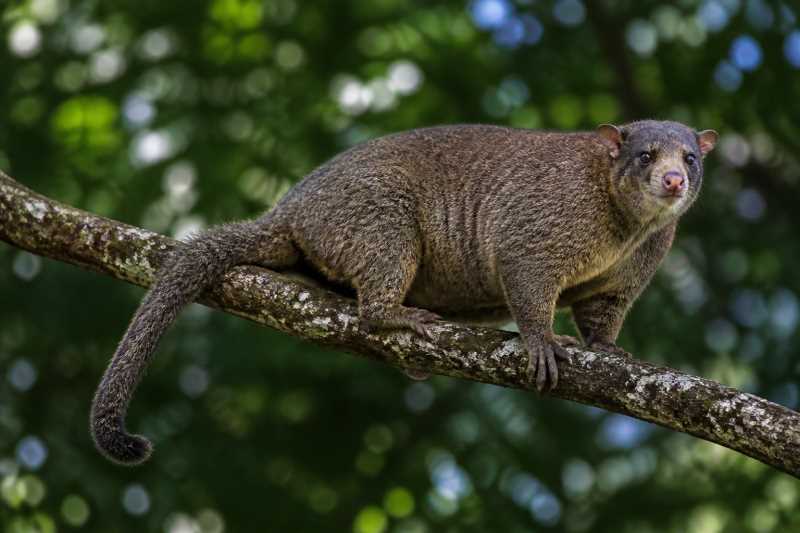
The Northern Common Cuscus is a medium-sized marsupial, with a body length ranging from 35 to 45 centimeters, and a tail that can add an additional 30 to 40 centimeters. It typically weighs between 1.5 to 6 kilograms. This species exhibits sexual dimorphism, with males generally being larger than females.
Fur coloration varies from gray to brown, often with lighter underparts. The dense and woolly fur provides excellent insulation against the cool temperatures of the night. One of the most distinctive features of the cuscus is its large, round eyes, which are adapted for nocturnal vision. The prehensile tail is another remarkable feature, aiding in balance and grip while navigating the treetops.
Range and Habitat
The Northern Common Cuscus is primarily found in New Guinea, including both the Indonesian and Papua New Guinea regions, as well as several nearby islands. Its range also extends to parts of northern Australia. This species inhabits a variety of forested environments, from lowland tropical rainforests to montane forests, and occasionally mangroves.
They are arboreal creatures, spending most of their lives in the canopy. This adaptation not only provides access to abundant food sources but also offers protection from ground-dwelling predators. The dense foliage of their habitat also offers excellent coverage from avian predators.
Behavior and Diet
Northern Common Cuscuses are solitary animals, with interactions between individuals primarily occurring during the breeding season. They are nocturnal, becoming active at dusk and remaining so throughout the night.
Their diet is primarily herbivorous, consisting largely of leaves, fruits, and flowers. Occasionally, they may consume small insects and other invertebrates, which supplement their diet with additional protein. The cuscus is known for its slow and deliberate feeding habits, often spending long periods in a single tree.
Identification Tips
Field recognition of the Northern Common Cuscus can be challenging due to its nocturnal habits and arboreal lifestyle. However, certain cues can aid in identification:
- Silhouette: Look for a medium-sized, slow-moving creature with a rounded body perched in trees.
- Eye Shine: At night, a flashlight can reveal the cuscus by reflecting off its large, round eyes.
- Vocalizations: Listen for soft, cooing calls at dusk, which are often more audible than visible signs.
- Tail Use: Observe the use of the prehensile tail for balance and gripping branches.
Conservation Status
The Northern Common Cuscus is currently classified as Least Concern by the IUCN Red List. Despite this seemingly secure status, the species faces several threats that could impact its population in the future.
Threats
- Habitat Destruction: Deforestation for agriculture and logging poses a significant threat to their natural habitat.
- Hunting: In some regions, the cuscus is hunted for its meat and fur.
- Pet Trade: Illegal capture for the pet trade also poses a risk to local populations.
Protections
Several conservation measures are in place to protect the Northern Common Cuscus. These include legal protections within national parks and reserves, as well as international regulations on trade under CITES (the Convention on International Trade in Endangered Species of Wild Fauna and Flora).
Frequently Asked Questions
1. What do Northern Common Cuscuses eat?
Northern Common Cuscuses primarily feed on leaves, fruits, and flowers. They occasionally consume small insects and other invertebrates to supplement their diet.
2. Where can I find Northern Common Cuscuses in the wild?
They are found in the forests of New Guinea and nearby islands, as well as parts of northern Australia. They prefer dense forest canopies.
3. How do Northern Common Cuscuses communicate?
These marsupials communicate through soft vocalizations, often described as cooing, especially during the breeding season.
4. How does the Northern Common Cuscus adapt to its environment?
Its prehensile tail and large eyes are key adaptations for arboreal life and nocturnal activity, respectively, enabling it to navigate and feed effectively in its forest habitat.
5. What are the main threats to the Northern Common Cuscus?
The main threats include habitat destruction due to deforestation, hunting for meat and fur, and capture for the pet trade.
Related posts