Common Swift Fruit Bat (Thoopterus nigrescens): An In-Depth Exploration
Introduction
The Common Swift Fruit Bat, scientifically known as Thoopterus nigrescens, is a fascinating species of bat that plays an integral role in its ecosystem. Known for its swift flight and fruit-based diet, this bat is a crucial pollinator and seed disperser in its native habitats. This article provides a comprehensive overview of the Common Swift Fruit Bat, exploring its physical characteristics, habitat preferences, behavior, and conservation status.
Physical Description
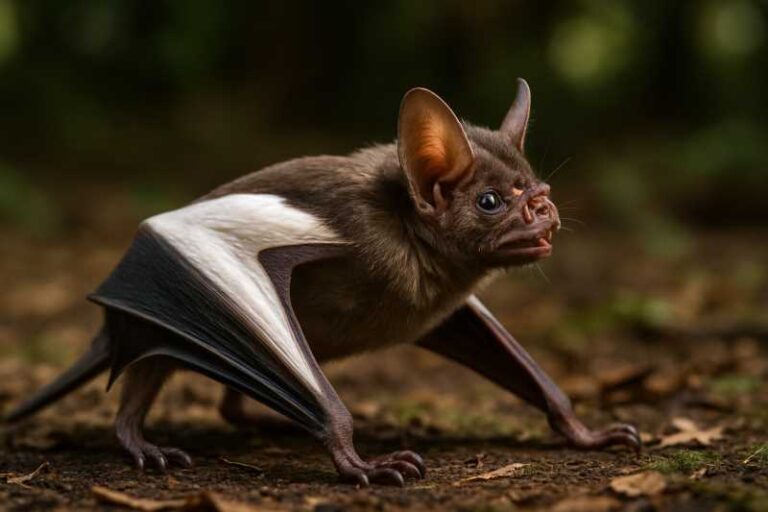
The Common Swift Fruit Bat is a small to medium-sized bat, with a wingspan ranging from 30 to 40 centimeters. Its body length typically measures between 10 to 13 centimeters, and it weighs approximately 30 to 50 grams. The bat is characterized by its dark brown to black fur, which is sleek and shiny, aiding in aerodynamics during flight. The fur is denser around the neck, giving it a slightly ruffled appearance.
The bat’s face is distinct, with large, round eyes adapted for nocturnal vision and a short snout. Its ears are relatively small and rounded, aiding in echolocation. The wings are long and slender, designed for swift and agile flight, which is a signature trait of this species.
Range and Habitat
The Common Swift Fruit Bat is predominantly found in Southeast Asia, with a range extending across Indonesia, Malaysia, the Philippines, and parts of Papua New Guinea. It thrives in tropical and subtropical forests, particularly favoring lowland rainforests and mangrove ecosystems. These bats are often found roosting in tree canopies, caves, and sometimes even man-made structures.
Their preference for dense forest habitats makes them important indicators of forest health. They are less commonly found in fragmented or heavily disturbed areas, indicating their reliance on pristine forest environments for survival.
Behavior and Diet
The Common Swift Fruit Bat is a nocturnal creature, emerging at dusk to forage for food. Its diet primarily consists of fruit, nectar, and flowers, making it an essential pollinator and seed disperser. The bat is particularly fond of figs and other soft fruits, which provide the sugars and nutrients necessary for its energy-intensive lifestyle.
In terms of behavior, these bats are highly social and are often seen in large colonies. They communicate using a series of high-pitched calls, which are also crucial for echolocation. Roosting sites are usually shared among colony members, providing safety in numbers from potential predators.
Identification Tips (Field Recognition Cues)
Identifying the Common Swift Fruit Bat in the field can be accomplished by noting several key features:
- Flight Pattern: Look for a bat with a swift, agile flight, often seen darting among trees in search of fruit.
- Size and Color: Note the bat’s medium size and dark brown to black fur, which distinguishes it from other fruit bats.
- Roosting Habits: These bats often roost in dense canopy cover or caves, making these locations ideal for observation.
- Nocturnal Activity: Observations are best made at dusk or during the night when the bats are active.
Conservation Status (with threats and protections)
The Common Swift Fruit Bat is currently listed as Least Concern by the International Union for Conservation of Nature (IUCN). However, like many bat species, it faces threats from habitat destruction, deforestation, and human disturbance. The conversion of forests into agricultural land and urban areas has significantly reduced available habitats for these bats.
Conservation efforts focus on habitat protection and restoration. Maintaining forest integrity and reducing deforestation are crucial for the survival of this species. Protected areas and wildlife corridors are also vital in ensuring these bats have safe spaces to roost and forage.
Frequently Asked Questions
What does the Common Swift Fruit Bat eat?
The Common Swift Fruit Bat primarily feeds on fruit, nectar, and flowers. Its diet includes figs and other soft fruits, which provide essential nutrients and sugars.
Where can I find the Common Swift Fruit Bat?
This species is found in Southeast Asia, including Indonesia, Malaysia, and the Philippines, thriving in tropical and subtropical forests and mangrove ecosystems.
How does the Common Swift Fruit Bat contribute to its ecosystem?
The bat is a crucial pollinator and seed disperser, aiding in the reproduction of many plant species and contributing to forest regeneration and biodiversity.
What are the main threats to the Common Swift Fruit Bat?
The primary threats include habitat destruction, deforestation, and human disturbance, leading to a reduction in available roosting and foraging sites.
How can we help conserve the Common Swift Fruit Bat?
Conservation efforts include protecting and restoring natural habitats, creating wildlife corridors, and promoting sustainable land-use practices to ensure these bats have the habitats they need to thrive.
Related posts