Introduction
The Saint Michel Nesophontes, scientifically known as Nesophontes paramicrus, is a fascinating yet enigmatic species of mammal that once thrived in the Caribbean. Part of the now-extinct Nesophontidae family, this small mammal is a subject of great interest for paleontologists and conservationists alike. Although no longer present, the study of Nesophontes paramicrus provides crucial insights into the rich biodiversity that once characterized the Caribbean region and highlights the importance of conserving existing species to prevent similar extinctions in the future.
Physical Description
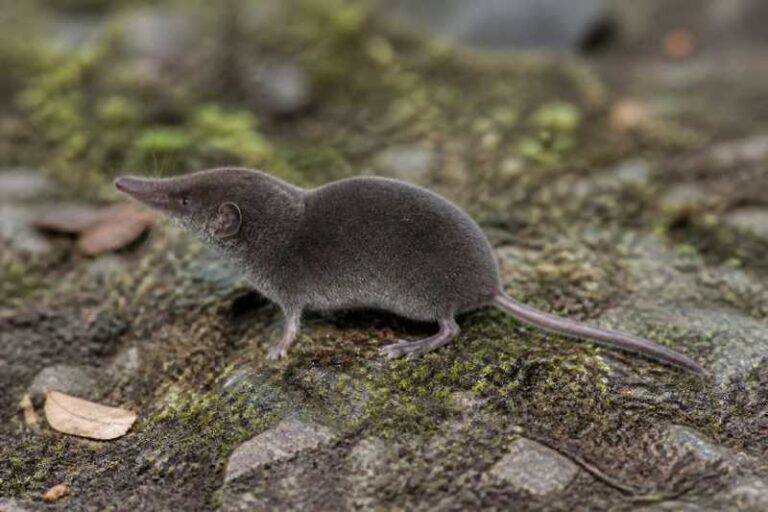
Nesophontes paramicrus was a small mammal characterized by its elongated snout and slender physique, typical of the shrew-like appearance of members in the Nesophontidae family. Estimates suggest that this diminutive creature measured between 7 to 10 centimeters in body length, excluding the tail, which added an additional 5 to 8 centimeters. It likely had a dense coat of fur, helping it to maintain body temperature in its tropical habitat. The coloration of its fur is presumed to have been a muted brown or gray, providing camouflage within its environment.
Its skeletal structure indicates well-developed limbs, suggesting agility and an adept ability to navigate through its habitat. The elongated snout housed a set of sharp teeth adapted for an insectivorous diet. The dental structure of Nesophontes paramicrus, with its specialized incisors and molars, points to a diet predominantly consisting of insects and small invertebrates.
Range and Habitat
The Saint Michel Nesophontes was endemic to the island of Hispaniola, which comprises present-day Haiti and the Dominican Republic. Fossil evidence suggests that Nesophontes paramicrus thrived in the dense, tropical forests that once covered the island. These habitats provided ample food resources and shelter, crucial for the survival of such a small and vulnerable species.
The varied terrain of Hispaniola, ranging from coastal areas to mountainous regions, likely influenced the distribution of Nesophontes paramicrus. Its presence in fossil records across different altitudes indicates adaptability to diverse microhabitats within the island’s ecosystem.
Behavior and Diet
Although direct observations of Nesophontes paramicrus are not possible, inferences from related species and fossil records provide insights into its likely behavior and dietary habits. As a nocturnal creature, it primarily engaged in foraging activities under the cover of darkness, reducing predation risks and competition for food.
The diet of Nesophontes paramicrus was predominantly insectivorous. Its sharp teeth were well-suited for capturing and consuming insects, spiders, and other small invertebrates. This dietary preference played a significant role in the ecological balance of its habitat, as it helped control insect populations.
Behaviorally, Nesophontes paramicrus was likely solitary or lived in small groups. Its small size and nocturnal habits suggest a lifestyle adapted to avoiding larger predators. Nesting in leaf litter or burrows, it would have utilized its keen sense of smell and hearing to detect prey and avoid threats.
Identification Tips (Field Recognition Cues)
Although Nesophontes paramicrus is extinct, understanding its identification cues is crucial for paleontologists studying fossil remains. Key recognition features include:
- Elongated Snout: The long, narrow snout is a distinguishing feature, indicative of its insectivorous diet.
- Dental Structure: Look for sharp incisors and molars adapted for cutting and grinding insect exoskeletons.
- Small Size: Fossils generally indicate a small body size, with a total length (including tail) of around 12 to 18 centimeters.
- Skeletal Adaptations: Limb bones suggest agility and quick movement, typical of ground-dwelling insectivores.
Conservation Status (with Threats and Protections)
Nesophontes paramicrus is classified as extinct, with its disappearance likely occurring shortly after the arrival of European settlers in the Caribbean. The exact causes of extinction are not fully understood, but several contributing factors have been proposed:
- Habitat Destruction: The deforestation and alteration of natural landscapes for agriculture and settlement significantly reduced suitable habitats.
- Introduced Predators: The introduction of non-native species, such as rats and mongooses, likely increased predation pressures.
- Disease: New diseases brought by Europeans could have affected native mammal populations, contributing to their decline.
Efforts to protect the remaining biodiversity in the Caribbean include habitat restoration and the control of invasive species. These measures are vital in preventing further losses of endemic species.
Frequently Asked Questions
What did the Saint Michel Nesophontes eat?
Nesophontes paramicrus primarily consumed insects and small invertebrates, using its sharp teeth to capture and digest its prey. This insectivorous diet helped maintain ecological balance by controlling insect populations.
Why did the Saint Michel Nesophontes go extinct?
The extinction of Nesophontes paramicrus is attributed to habitat destruction, the introduction of non-native predators, and possibly diseases introduced by European settlers. These factors combined to create an unsustainable environment for the species.
Where was the Saint Michel Nesophontes found?
The Saint Michel Nesophontes was endemic to Hispaniola, an island shared by present-day Haiti and the Dominican Republic. It inhabited the island’s dense tropical forests, which provided the necessary resources for its survival.
How can we protect similar species from extinction?
To protect similar species from extinction, it is crucial to conserve their natural habitats, control invasive species, and implement measures to mitigate human impacts such as deforestation and pollution. Conservation programs and public awareness are vital components of these efforts.
Are there any living relatives of the Saint Michel Nesophontes?
No direct living relatives of Nesophontes paramicrus exist today. However, it shared some ecological and physical characteristics with other small insectivorous mammals, such as shrews and solenodons, which still inhabit the Caribbean region.
Related posts