Introduction
The Mount Pulag Tree Mouse, scientifically known as Musseromys beneficus, is a fascinating and relatively lesser-known mammal species endemic to the Philippines. This small rodent, which is part of the family Muridae, holds a unique place within the rich biodiversity of the region. It is primarily found in the montane forests surrounding Mount Pulag, the highest peak in Luzon and the third highest in the Philippines. This article aims to shed light on the distinctive features, habitat, and conservation status of the Mount Pulag Tree Mouse, providing a comprehensive overview for wildlife enthusiasts, researchers, and conservationists alike.
The Philippines is known for its remarkable biodiversity and high level of endemism, and the Mount Pulag Tree Mouse is a perfect example of the unique species found in this archipelago. Understanding the ecological role and the conservation needs of such species is crucial in preserving the biodiversity of the region. As habitat destruction and other anthropogenic activities pose increasing threats to wildlife, this article will also explore the conservation efforts needed to protect this remarkable species.
Physical Description
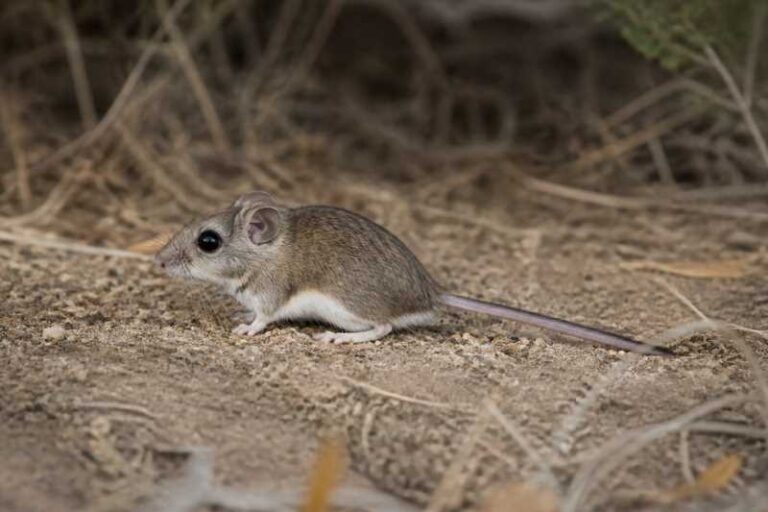
The Mount Pulag Tree Mouse is a small-sized rodent characterized by its soft, dense fur and distinctive morphological features. Adult mice typically measure around 10 to 12 centimeters in body length, with a tail approximately equal to or slightly longer than their body, aiding in balance and arboreal navigation. Their fur is predominantly grayish-brown, providing excellent camouflage against the bark and leaves of their forest habitat.
One of the most notable features of the Mount Pulag Tree Mouse is its large eyes, which are well-adapted for nocturnal activity. This adaptation allows them to forage and move efficiently in low-light conditions, making them primarily active during the night. Their ears are moderately large and rounded, which enhances their auditory perception, crucial for detecting predators and communicating with conspecifics.
Their paws are equipped with sharp claws that facilitate climbing, a necessary trait for navigating the trees in their arboreal habitat. The combination of these physical attributes makes the Mount Pulag Tree Mouse an adept climber and forager, perfectly suited to its montane forest environment.
Range and Habitat
The Mount Pulag Tree Mouse is endemic to the Cordillera Central mountain range on the island of Luzon, Philippines. Specifically, it is associated with the montane and mossy forests of Mount Pulag, which provides a unique and suitable habitat. These forests are characterized by high humidity, dense vegetation, and a rich diversity of flora, offering ample food resources and shelter for many species, including the tree mouse.
Mount Pulag’s elevation ranges from 2,500 to 2,922 meters above sea level, and the forests here are a mix of montane and mossy forest ecosystems. The tree mouse is typically found at higher altitudes, where the environment is cooler and more humid. This habitat offers a complex structure of trees and understory vegetation that supports the mouse’s arboreal lifestyle.
The limited range of the Mount Pulag Tree Mouse makes it particularly vulnerable to habitat loss and environmental changes. Conservation of its habitat is crucial not only for the survival of this species but also for the myriad of other endemic species sharing the same environment.
Behavior and Diet
The Mount Pulag Tree Mouse is primarily nocturnal, with most of its activity occurring during the night. This behavior is likely an adaptation to avoid daytime predators and to take advantage of cooler nighttime temperatures. These mice are solitary creatures, with individuals maintaining distinct territories within their arboreal habitat.
Their diet consists mainly of seeds, fruits, and possibly small invertebrates, which are abundant in the montane forest. The Mount Pulag Tree Mouse plays a vital role in the ecosystem by aiding in seed dispersal, thus contributing to forest regeneration and plant diversity.
Social interactions among these mice are minimal, but vocalizations and scent markings are employed to communicate and establish territory boundaries. Their acute sense of hearing and smell are crucial for detecting food and potential threats in their environment.
Identification Tips (Field Recognition Cues)
Identifying the Mount Pulag Tree Mouse in the field requires attention to several key features:
- Size and Shape: Look for a small rodent with a body length of 10 to 12 cm and a tail of similar length.
- Fur Color: The grayish-brown fur provides good camouflage in the forest environment.
- Large Eyes: Noticeable large eyes are a distinctive feature, indicating nocturnal habits.
- Paw Structure: Sharp claws and padded feet for climbing.
- Auditory and Visual Cues: Listen for soft rustling in the leaves and look for movement in the trees during dusk or at night.
Conservation Status (with Threats and Protections)
The Mount Pulag Tree Mouse is currently classified as "Data Deficient" by the International Union for Conservation of Nature (IUCN). This classification reflects the limited information available about the species, its population size, and its ecological requirements. However, there are several threats that could potentially impact its survival.
Threats
- Habitat Loss: Deforestation for agriculture, logging, and human settlement is a significant threat to the montane forests of Mount Pulag.
- Climate Change: Alterations in climate patterns could affect the habitat suitability, particularly at higher altitudes.
- Predation: Introduction of non-native predators like domestic cats can increase predation pressure.
Protections
- Protected Areas: Mount Pulag and its surrounding habitats are part of a national park, providing some level of protection.
- Conservation Programs: Efforts to engage local communities in conservation activities and sustainable land use practices are crucial.
- Research Initiatives: More research is needed to gather data on population dynamics and ecological needs to inform conservation strategies.
Frequently Asked Questions
What is the primary habitat of the Mount Pulag Tree Mouse?
The Mount Pulag Tree Mouse is primarily found in the montane and mossy forests of Mount Pulag in the Cordillera Central mountain range of Luzon, Philippines. These forests provide the necessary environment for their arboreal lifestyle.
How does the Mount Pulag Tree Mouse contribute to its ecosystem?
The Mount Pulag Tree Mouse plays a crucial role in seed dispersal, which helps in forest regeneration and maintaining plant diversity. By foraging on fruits and seeds, they contribute to the propagation of various plant species.
What are the main threats to the Mount Pulag Tree Mouse?
The main threats include habitat loss due to deforestation, climate change affecting their montane habitat, and increased predation from non-native species. Conservation efforts focus on habitat protection and sustainable land use.
How can one identify the Mount Pulag Tree Mouse in the wild?
Key identification features include its small size, grayish-brown fur, large nocturnal eyes, and its adept climbing abilities. Observing these traits during night-time hours in the forest can help in identification.
What conservation measures are in place for the Mount Pulag Tree Mouse?
Conservation measures include the protection of Mount Pulag as a national park, community engagement in sustainable practices, and research initiatives to better understand the species’ needs and population dynamics.
Related posts