Subalpine Woolly Rat (Mallomys istapantap)
Introduction
The Subalpine Woolly Rat, scientifically known as Mallomys istapantap, is a fascinating rodent species that inhabits the mountainous regions of New Guinea. Known for its distinctive woolly fur and impressive size, the Subalpine Woolly Rat is a unique member of the Muridae family. This article explores various aspects of this intriguing mammal, from its physical characteristics to its behavior and conservation status.
Physical Description
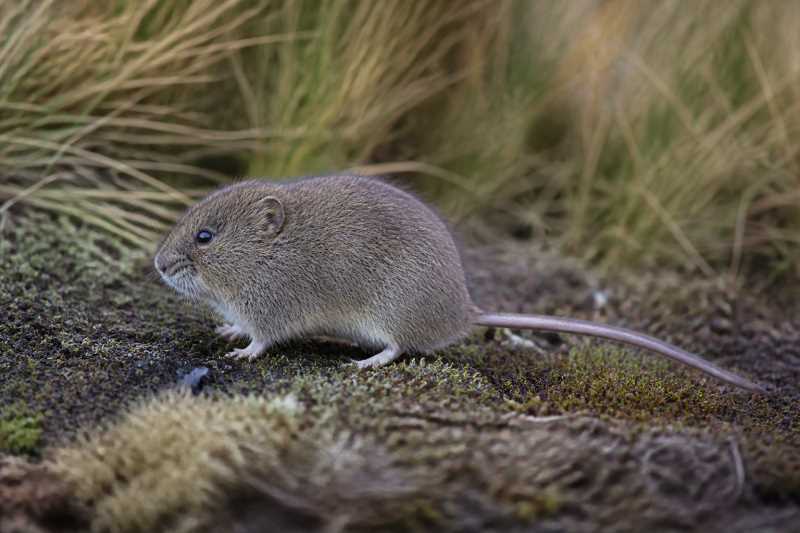
The Subalpine Woolly Rat is one of the largest rodent species, with a body length that can exceed 45 centimeters, not including its tail. The tail itself is typically slightly shorter than the body, averaging around 35 to 40 centimeters. This species is known for its dense, woolly fur, which provides insulation against the cold temperatures of its high-altitude habitat. The fur is generally a dark brown to black color, with lighter shades on the underside. Its large, rounded ears and small eyes are adapted to its nocturnal lifestyle, while its strong limbs and sharp claws are ideal for climbing and foraging.
Range and Habitat
The Subalpine Woolly Rat is endemic to the subalpine and montane forests of central New Guinea, particularly in the highlands above 2,000 meters (6,562 feet). These regions are characterized by rugged terrain, dense vegetation, and a cool climate. The rat’s preference for such high altitudes is believed to be an evolutionary adaptation to avoid predators and competition found in lower altitudes. Its habitat is typically composed of mossy forests, where it can find ample shelter and food resources.
Behavior and Diet
Subalpine Woolly Rats are primarily nocturnal, spending their nights foraging for food and their days resting in nests hidden among rocks or dense vegetation. Their diet is omnivorous, consisting of a variety of plant material, seeds, fruits, and occasionally small insects or other invertebrates. The rat’s strong incisors are well-suited for gnawing through tough plant fibers and seeds. Socially, these rats are generally solitary, except during the breeding season when they may be seen in pairs.
Identification Tips (Field Recognition Cues)
Identifying the Subalpine Woolly Rat can be challenging due to its remote habitat, but there are several key features to look for:
- Size: Look for a large rodent with a body length of over 45 centimeters.
- Fur: Note the dark, woolly fur, which is denser and longer than that of most other rodents.
- Tail: The tail is slightly shorter than the body, with sparse hair.
- Habitat: Found only in high-altitude forests in New Guinea.
- Behavior: Nocturnal and solitary, often seen alone or in pairs during the breeding season.
Conservation Status (with Threats and Protections)
The conservation status of the Subalpine Woolly Rat is currently classified as Data Deficient by the International Union for Conservation of Nature (IUCN). This classification is due to the limited information available on its population size and trends. However, potential threats to its survival include habitat destruction due to logging and agricultural expansion. Climate change also poses a risk, as it could alter the high-altitude environments that the species depends on. Conservation efforts are needed to protect its habitat, and more research is required to better understand its ecology and population dynamics.
Frequently Asked Questions
1. What does the Subalpine Woolly Rat eat?
The Subalpine Woolly Rat has an omnivorous diet that includes various plant materials, seeds, fruits, and occasionally small insects or invertebrates. Its strong incisors help it gnaw through tough plant fibers and seeds.
2. Where can the Subalpine Woolly Rat be found?
This species is endemic to the central highlands of New Guinea, particularly in subalpine and montane forests above 2,000 meters. It thrives in rugged, densely vegetated, and cool environments.
3. How large does the Subalpine Woolly Rat grow?
The Subalpine Woolly Rat can exceed 45 centimeters in body length, not including its tail, which is about 35 to 40 centimeters long. It is one of the largest rodent species in its region.
4. Why is the Subalpine Woolly Rat classified as Data Deficient?
The IUCN classifies this species as Data Deficient because there is limited information on its population size, distribution, and trends. More research is needed to assess its conservation status accurately.
5. What threats does the Subalpine Woolly Rat face?
Threats include habitat destruction from logging and agriculture, as well as potential impacts from climate change, which could alter its high-altitude habitat.
Related posts