Sandstone Pseudantechinus: An In-depth Exploration
Introduction
The Sandstone Pseudantechinus, scientifically known as Pseudantechinus bilarni, is a small marsupial belonging to the family Dasyuridae. Native to the remote and rugged terrains of Northern Australia, this elusive mammal attracts the curiosity of researchers and wildlife enthusiasts alike. First described in 1948, the Sandstone Pseudantechinus remains a focal point for studies on marsupial biology and adaptation to arid environments. Despite its diminutive size, this species plays an integral role in the ecosystem, highlighting the complexity and diversity of Australian wildlife.
In this comprehensive article, we delve into the various aspects of the Sandstone Pseudantechinus, from its physical characteristics to its behavior and diet. We also explore its habitat, conservation status, and provide tips for identifying this unique species in the wild.
Physical Description
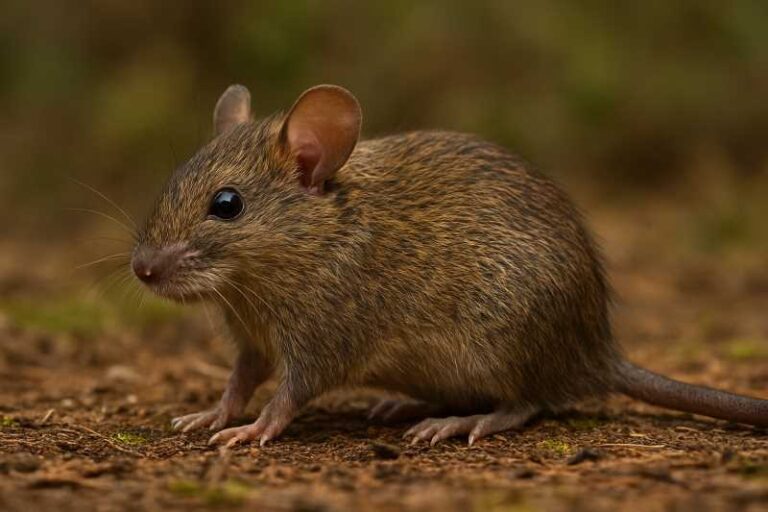
The Sandstone Pseudantechinus is a small marsupial, exhibiting a body length ranging from 90 to 110 millimeters, with a tail length that typically measures between 70 and 90 millimeters. This modestly-sized creature weighs approximately 20 to 45 grams, a characteristic that aids its survival in the arid environments it calls home.
Its fur is predominantly a sandy-brown hue, providing excellent camouflage against the sandstone outcrops and dry foliage prevalent in its habitat. The underbelly is usually a lighter cream color. A key identifying feature of the Sandstone Pseudantechinus is its pointed snout and large, rounded ears, which contribute to its acute sense of hearing and smell.
The species’ tail is notably thick and furred, often used to store fat reserves, a vital adaptation for surviving periods of food scarcity. The Sandstone Pseudantechinus also possesses sharp claws, which facilitate climbing and foraging within its rocky environment.
Range and Habitat
The Sandstone Pseudantechinus is endemic to Northern Australia, with its range primarily concentrated in the Kimberley region of Western Australia and the Northern Territory. This marsupial favors rocky outcrops, escarpments, and boulder-strewn areas, often in proximity to eucalypt woodlands and spinifex grasslands.
These habitats offer not only shelter but also a wealth of resources to sustain the Sandstone Pseudantechinus. The crevices and caves within these rocky landscapes provide protection from predators and extreme weather conditions, while the surrounding vegetation supports a diverse array of invertebrate prey.
Behavior and Diet
The Sandstone Pseudantechinus is predominantly nocturnal, conducting most of its activities under the cover of darkness. This behavior is a strategic adaptation to avoid daytime predators and to cope with the harsh temperatures of its native environment.
In terms of diet, the Sandstone Pseudantechinus is insectivorous, with a preference for a variety of invertebrates such as beetles, spiders, and ants. Its foraging strategy is primarily ground-based, though it is known to climb trees and rocks in search of food. The species exhibits opportunistic feeding behavior, adapting its diet according to seasonal availability of prey.
Socially, the Sandstone Pseudantechinus is relatively solitary, except during the breeding season, which typically occurs in the winter months. Females give birth to small litters, and like other marsupials, the young are carried in a pouch until they are sufficiently developed.
Identification Tips
Identifying the Sandstone Pseudantechinus in the field requires careful observation and knowledge of specific characteristics. Here are some key tips for recognizing this species:
- Size and Proportions: Look for a small marsupial with a body length of 9-11 cm and a tail length of 7-9 cm.
- Coloration: Note the sandy-brown fur with a lighter underbelly, which helps it blend into rocky environments.
- Ears and Snout: Identify the large, rounded ears and pointed snout, which are distinctive features.
- Tail: Observe the thick, furry tail used for fat storage, distinguishing it from similar species.
- Habitat: Focus on rocky outcrops and escarpments within Northern Australia, particularly during nocturnal hours.
Conservation Status
The International Union for Conservation of Nature (IUCN) currently lists the Sandstone Pseudantechinus as a species of Least Concern. However, like many native Australian animals, it faces several threats that could impact its population in the future.
Threats
- Habitat Destruction: Human activities such as mining and land development pose significant threats by disrupting the species’ natural habitat.
- Predation: Introduced species, particularly feral cats and foxes, are notable predators that impact juvenile and adult Pseudantechinus populations.
- Climate Change: Changes in temperature and rainfall patterns could alter the availability of prey and suitable habitat.
Protections
Efforts to conserve the Sandstone Pseudantechinus include habitat protection and management strategies aimed at controlling introduced predators. National parks and protected areas play a crucial role in safeguarding the natural environments this species relies upon.
Frequently Asked Questions
What does the Sandstone Pseudantechinus eat?
The Sandstone Pseudantechinus primarily consumes a variety of invertebrates, including beetles, spiders, and ants. Its diet is opportunistic and varies with seasonal prey availability.
Where can I find the Sandstone Pseudantechinus in the wild?
This species is found in Northern Australia, particularly within the Kimberley region and the Northern Territory. Look for them in rocky outcrops, escarpments, and boulder-strewn areas.
How does the Sandstone Pseudantechinus adapt to its environment?
The Sandstone Pseudantechinus has several adaptations for survival in arid environments, including nocturnal behavior, fat storage in its tail, and camouflage coloration.
Is the Sandstone Pseudantechinus endangered?
Currently, the Sandstone Pseudantechinus is classified as Least Concern by the IUCN. However, habitat destruction and introduced predators pose ongoing threats.
What are the main threats to the Sandstone Pseudantechinus?
The primary threats include habitat destruction, predation by introduced species like feral cats, and the impacts of climate change on their habitat and food sources.
Related posts