Introduction
The Emperor Giant Rat, scientifically known as Uromys imperator, is a fascinating mammal species that captures the interest of researchers and nature enthusiasts worldwide. As its regal name suggests, the Emperor Giant Rat is notable for its impressive size and unique characteristics, distinguishing it from other rodent species. This article delves into the various aspects of the Emperor Giant Rat, including its physical description, range and habitat, behavior and diet, identification tips, and conservation status. Through this comprehensive exploration, we aim to provide a thorough understanding of this intriguing species.
Physical Description
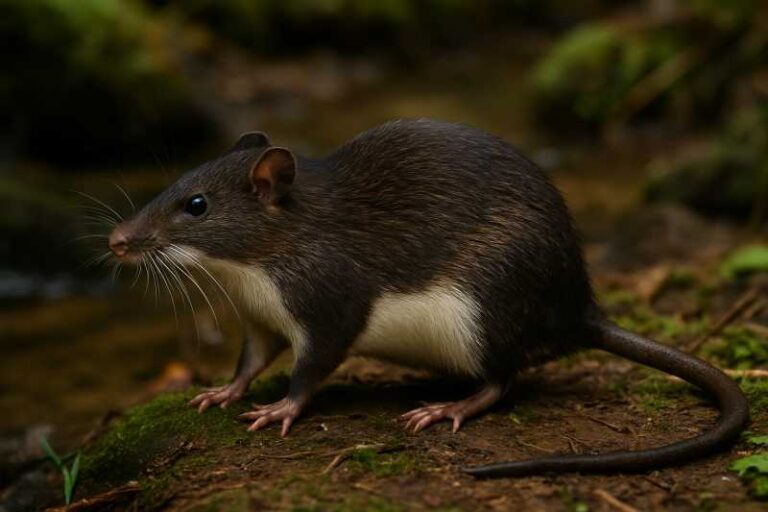
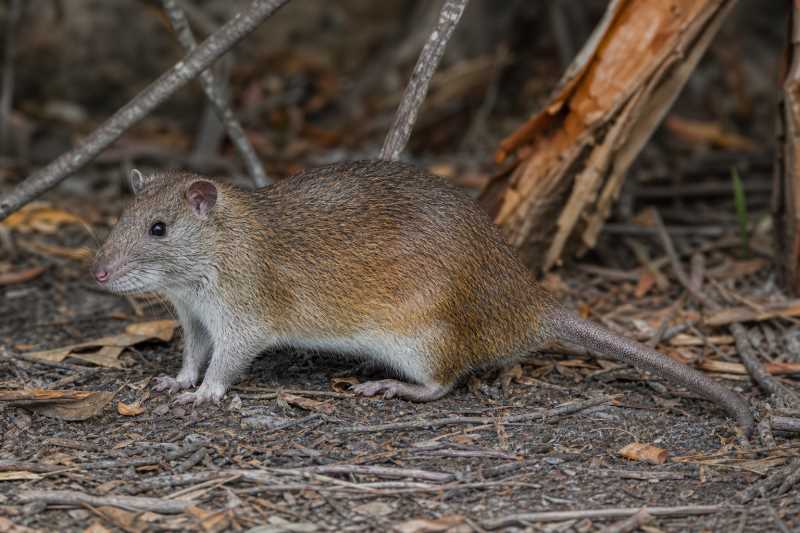
The Emperor Giant Rat is among the largest members of the rodent family. It boasts a robust body, with adults typically measuring between 30 to 35 cm in length, excluding the tail, which can add an additional 25 to 30 cm. The weight of an adult rat can range from 1 to 1.5 kg. Its fur is dense and coarse, usually a dark brown or gray, which aids in camouflage within its natural environment.
One of the most distinctive features of the Emperor Giant Rat is its strong, prehensile tail, which it uses for balance and grasping when navigating through its arboreal habitat. Its large, rounded ears and pronounced whiskers are adapted for enhanced sensory perception, aiding in foraging and avoiding predators. Furthermore, the rat’s powerful hind legs are well-suited for climbing, a necessary skill for its tree-dwelling lifestyle.
Range and Habitat
The Emperor Giant Rat is endemic to the rainforests of New Guinea, particularly in the mountainous regions. Its range is confined to high-altitude, dense forests where it thrives in the humid and lush environment. These forests provide ample food resources and shelter, allowing the species to flourish in its natural habitat.
The species has evolved to become highly adapted to arboreal life, spending most of its time in the upper canopy. This preference for high altitudes helps it avoid many terrestrial predators and access food sources that are out of reach for other competing species.
Behavior and Diet
The Emperor Giant Rat is primarily nocturnal, conducting most of its activities under the cover of darkness. It is a solitary animal, with individuals typically occupying their own territories. This solitary behavior reduces competition for food and resources among members of the same species.
In terms of diet, the Emperor Giant Rat is omnivorous. Its diet consists of fruits, nuts, seeds, and occasionally small insects or other invertebrates. The rat’s strong jaws and teeth are well-equipped for cracking nuts and seeds, while its agile movements allow it to forage efficiently among the treetops.
Identification Tips (field recognition cues)
Identifying the Emperor Giant Rat in the wild requires keen observation due to its elusive and nocturnal nature. Here are some field recognition cues:
- Size and Shape: Look for a large rodent with a robust body and a long, prehensile tail.
- Fur Color: Its dark brown or gray fur provides camouflage, blending with the tree bark and foliage.
- Behavior: Observe its movements during night hikes; it is more active after dusk.
- Habitat: Focus on high-altitude rainforest areas where its presence is more likely.
Conservation Status (with threats and protections)
The conservation status of the Emperor Giant Rat is currently classified as Vulnerable by the International Union for Conservation of Nature (IUCN). The primary threats to its survival include habitat loss due to deforestation and land conversion for agriculture. Additionally, climate change poses a significant threat by altering the delicate balance of its rainforest habitat.
Conservation efforts are underway to protect the Emperor Giant Rat and its habitat. These initiatives include the establishment of protected areas, reforestation projects, and community education programs to promote sustainable land use practices. Continued research and monitoring are essential to ensure the long-term survival of this unique species.
Frequently Asked Questions
What makes the Emperor Giant Rat different from other rats?
The Emperor Giant Rat is distinguished by its significant size, prehensile tail, and arboreal lifestyle. Unlike many other rat species, it is adapted to life in the upper canopy of rainforests.
Where can I find the Emperor Giant Rat in the wild?
This species is endemic to the rainforests of New Guinea, particularly in high-altitude regions where it resides in dense forest canopies.
Is the Emperor Giant Rat endangered?
The Emperor Giant Rat is currently classified as Vulnerable due to threats such as habitat destruction and climate change. Conservation efforts are crucial to its continued survival.
What does the Emperor Giant Rat eat?
It is omnivorous, feeding on a diet of fruits, nuts, seeds, and occasionally small insects or other invertebrates found in its rainforest habitat.
How does the Emperor Giant Rat adapt to its environment?
Its adaptations include a prehensile tail for balance, strong jaws for cracking nuts, and nocturnal habits to avoid predators and competition.
Related posts