Introduction
Ihering’s Brucie, scientifically known as Brucepattersonius iheringi, is a lesser-known rodent species belonging to the family Cricetidae. This small mammal, native to South America, specifically inhabits regions of Brazil. The species was first described by Oldfield Thomas in 1896 and has since intrigued researchers and conservationists due to its limited distribution and elusive nature. This article aims to provide comprehensive insights into this intriguing species, covering its physical characteristics, habitat preferences, behavioral patterns, and conservation status.
Physical Description
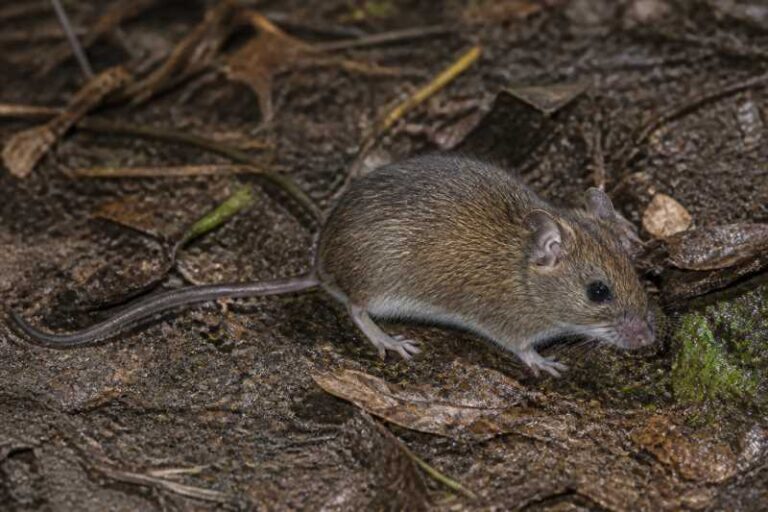
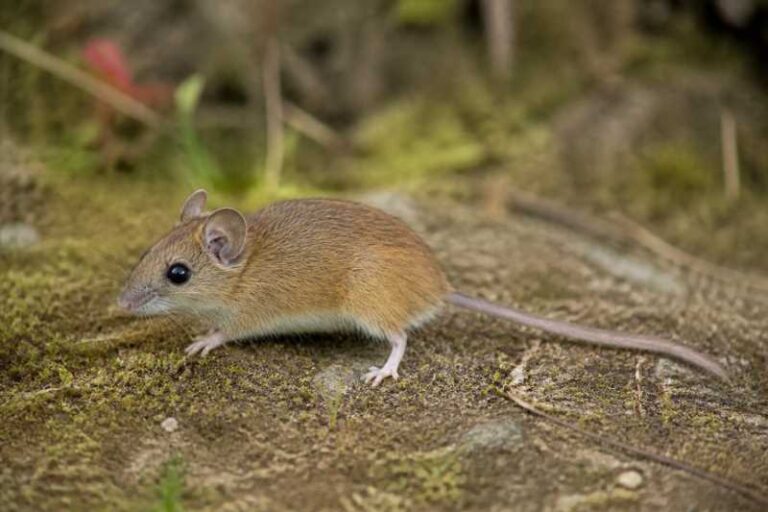
Ihering’s Brucie is a small rodent characterized by its compact body and distinctive fur. The average body length of an adult ranges from 8 to 12 centimeters, with a tail length of around 7 to 10 centimeters, making it proportionately shorter than its body. The weight typically varies between 20 to 40 grams.
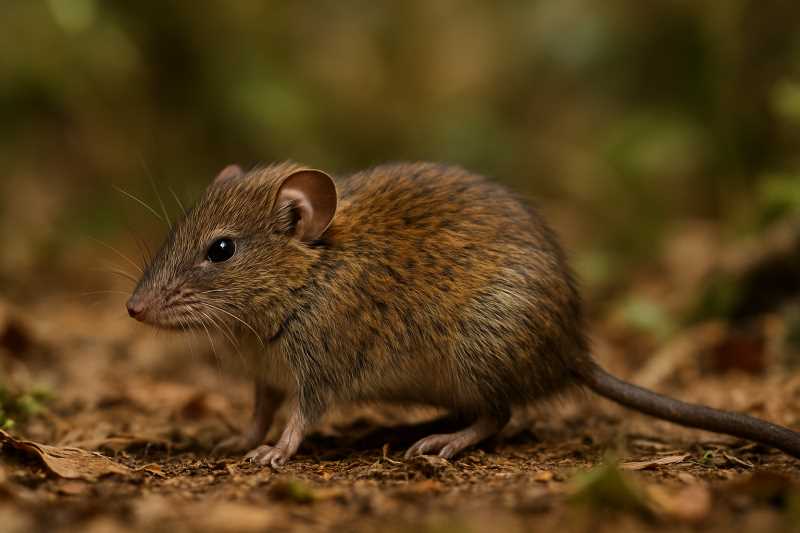
The fur of Brucepattersonius iheringi is dense and soft, with a coloration that provides effective camouflage in its natural habitat. The dorsal side is usually a warm brown or grayish-brown, blending seamlessly with the forest floor. The ventral side is lighter, often appearing white or cream-colored. This contrast in coloration is a common trait seen in many forest-dwelling rodents, aiding in predator evasion.
One of the distinguishing features of Ihering’s Brucie is its relatively large ears and eyes, adaptations that enhance its sensory capabilities. These features are crucial for nocturnal activity, allowing the animal to detect predators and prey in low-light conditions.
Range and Habitat
Ihering’s Brucie is endemic to the Atlantic Forest of Brazil, one of the most biodiverse and ecologically significant regions in the world. The species is primarily found in the southeastern part of the country, with confirmed sightings in states such as São Paulo, Rio de Janeiro, and Minas Gerais.
The Atlantic Forest is characterized by its humid, subtropical climate, dense vegetation, and high levels of biodiversity. It provides an ideal habitat for Ihering’s Brucie, offering abundant food resources and shelter. The species shows a preference for the undergrowth of primary and secondary forests, where it can navigate the dense foliage with ease.
Habitats are often fragmented due to human activity, yet Brucepattersonius iheringi has demonstrated some adaptability, occasionally dwelling in forest edges and secondary growth areas. However, its reliance on forested environments makes it vulnerable to habitat destruction.
Behavior and Diet
Ihering’s Brucie is predominantly nocturnal, with peak activity observed during dusk and dawn. This behavior reduces the risk of predation and aligns with the activity patterns of many small mammals in its ecosystem.
The species is primarily solitary, with individuals maintaining distinct territories. Communication is facilitated through scent marking and vocalizations, though detailed studies on their social interactions remain sparse.
The diet of Brucepattersonius iheringi is omnivorous, consisting mainly of seeds, fruits, and small invertebrates. The availability of these resources in the Atlantic Forest supports its dietary needs, although seasonal variations may influence its feeding behavior.
Identification Tips (Field Recognition Cues)
Identifying Ihering’s Brucie in the wild requires attention to specific morphological and behavioral traits:
- Size and Build: Look for a small rodent with a compact body measuring around 8 to 12 cm, accompanied by a shorter tail.
- Fur Coloration: Note the warm brown or grayish-brown dorsal fur with a lighter, whitish underbelly.
- Ear and Eye Size: Large ears and eyes are indicative of this species, adapted for nocturnal life.
- Habitat: Focus on the forest floor of the Atlantic Forest, particularly in dense undergrowth.
- Activity Timing: Observations are best made during dusk or dawn when the animal is most active.
Conservation Status (with Threats and Protections)
The conservation status of Ihering’s Brucie is currently classified as "Data Deficient" by the International Union for Conservation of Nature (IUCN). This classification highlights the need for more comprehensive field studies to accurately assess population sizes and trends.
Threats
The primary threat to Brucepattersonius iheringi is habitat destruction due to deforestation and land conversion for agriculture and urban development. The Atlantic Forest has experienced significant habitat fragmentation, which poses a risk to many endemic species, including Ihering’s Brucie.
Additionally, climate change may impact the availability of food resources and alter habitat conditions, further threatening the species’ survival.
Protections
Conservation efforts in the Atlantic Forest are crucial for the survival of Ihering’s Brucie. Protected areas and reserves provide some refuge, though effective enforcement and expansion of these areas are necessary. Moreover, reforestation and habitat restoration projects can help mitigate habitat loss.
Research initiatives aimed at understanding the ecology and population dynamics of Brucepattersonius iheringi are essential to inform conservation strategies. Public awareness and community involvement in conservation activities can also play a significant role in protecting this species.
Frequently Asked Questions
- What is the natural habitat of Ihering’s Brucie?
Ihering’s Brucie primarily inhabits the Atlantic Forest of Brazil, thriving in dense undergrowth where it is well-camouflaged and can find abundant food resources.
- How does Ihering’s Brucie adapt to its environment?
This species has adapted with nocturnal habits, large eyes and ears for enhanced sensory perception, and fur coloration that provides camouflage against predators.
- Why is Ihering’s Brucie considered "Data Deficient"?
The "Data Deficient" status is due to a lack of comprehensive field studies and data on population sizes, distributions, and trends, making it difficult to assess the species’ conservation needs accurately.
- What are the main threats to Ihering’s Brucie?
The primary threats include habitat destruction from deforestation, agriculture, urban development, and climate change impacting food availability and habitat conditions.
- What conservation measures are in place for Ihering’s Brucie?
Conservation efforts include the establishment of protected areas, reforestation projects, and research initiatives to better understand and protect the species’ habitat and ecological needs.
Related posts