Introduction
The Andaman Archipelago Rat, scientifically named Rattus stoicus, is a fascinating yet elusive species native to the Andaman Islands. As a member of the Muridae family, this rat species plays a crucial role in its ecosystem, contributing to seed dispersal and serving as prey for various predators. The Andaman Archipelago Rat is of particular interest to biologists and conservationists due to its restricted range and the ecological pressure it faces.
Physical Description
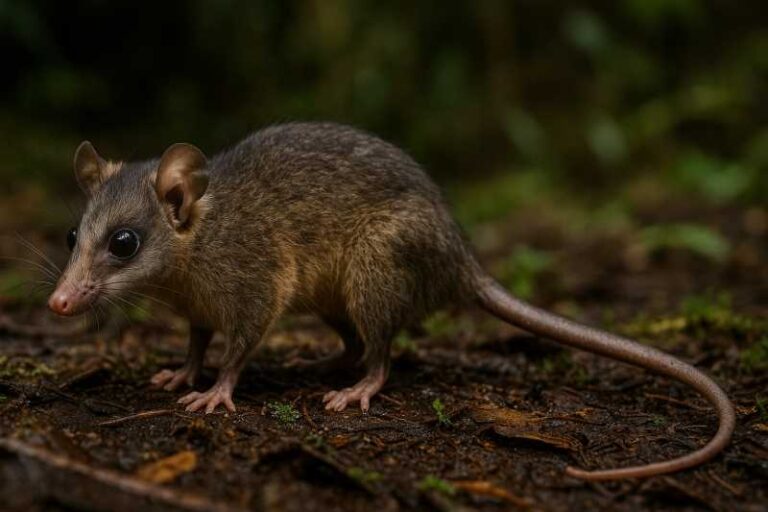
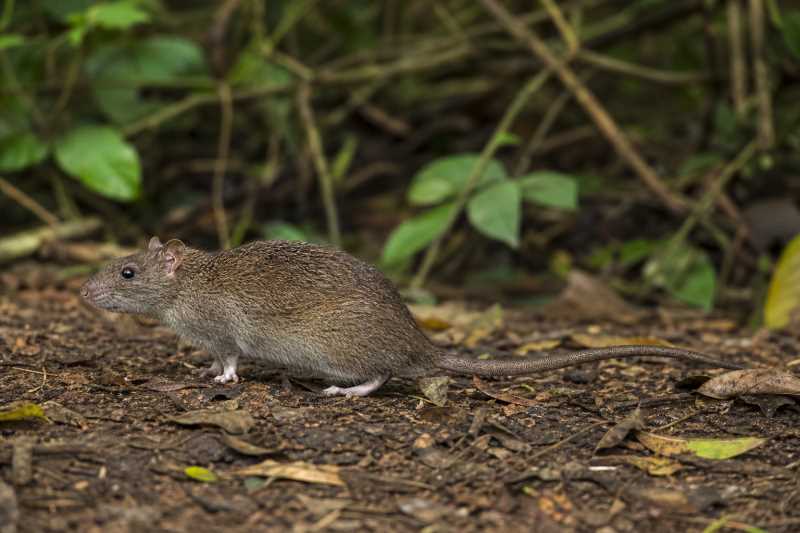
The Andaman Archipelago Rat exhibits a range of physical characteristics that are typical of the genus Rattus. It is a medium-sized rodent with a body length ranging from 15 to 20 cm, excluding the tail, which can add another 15 to 22 cm to its total length. The fur is generally a dusky brown, providing camouflage in its natural habitat. This species has a robust body, a pointed snout, and large, rounded ears that aid in its acute sense of hearing. Its tail is nearly hairless and is often used for balance and communication. Additionally, the rat’s sharp claws and strong hind legs enable it to climb trees and navigate through dense vegetation.
Range and Habitat
The Andaman Archipelago Rat is endemic to the Andaman Islands, a group of islands located in the Bay of Bengal between India and Myanmar. These islands are characterized by their tropical climate and dense, evergreen forests, which provide an ideal habitat for the species. The rat is primarily found in lowland forests and coastal areas but can also adapt to secondary forests and agricultural lands. The species’ range is limited, and it is rarely seen outside the Andaman Islands, making it vulnerable to habitat loss and environmental changes.
Behavior and Diet
The Andaman Archipelago Rat is predominantly nocturnal, displaying increased activity during the night. This behavior helps it avoid predators and the midday heat of its tropical environment. The species is omnivorous, with a diet that includes fruits, seeds, insects, and small invertebrates. Its role as a seed disperser is vital for maintaining the health of its forest ecosystem. Socially, these rats tend to be solitary or live in small family groups. They communicate through a series of vocalizations, body language, and scent markings to establish territory and mating rights.
Identification Tips (Field Recognition Cues)
Identifying the Andaman Archipelago Rat in the wild requires keen observation and understanding of its distinctive features:
- Fur and Coloration: Look for the dusky brown fur that blends seamlessly with the forest floor.
- Size and Shape: Note the medium size and robust build, with a body length between 15 to 20 cm.
- Tail: A long, nearly hairless tail that is about as long as its body.
- Behavior: Nocturnal and often seen scurrying in lowland forests at night.
- Habitat: Primarily found in dense forests of the Andaman Islands.
Conservation Status (With Threats and Protections)
The conservation status of the Andaman Archipelago Rat is currently listed as "Vulnerable" by the International Union for Conservation of Nature (IUCN). The primary threats to its survival include habitat destruction due to logging, agricultural expansion, and urban development. Invasive species, such as feral cats and dogs, also pose significant threats as they prey on these rats.
Conservation efforts are focused on habitat protection and restoration. The establishment of protected areas within the Andaman Islands aims to preserve the natural environment and provide a safe haven for the species. Additionally, research initiatives are underway to better understand the ecology and behavior of the Andaman Archipelago Rat, which can inform future conservation strategies.
Frequently Asked Questions
1. What makes the Andaman Archipelago Rat unique?
The Andaman Archipelago Rat is unique due to its restricted geographic range, being endemic to the Andaman Islands. This isolation has led to specific adaptations that fit its tropical forest habitat. Its role as a seed disperser is crucial for the ecological balance of its environment.
2. How does the Andaman Archipelago Rat contribute to its ecosystem?
This rat species aids in seed dispersal, which is vital for plant regeneration and maintaining biodiversity. Additionally, as prey for various predators, it forms a critical component of the food web.
3. What are the main threats to the Andaman Archipelago Rat?
The primary threats include habitat loss due to human activities such as logging and agriculture, as well as predation by invasive species like feral cats and dogs.
4. How can we help in the conservation of the Andaman Archipelago Rat?
Supporting conservation initiatives, promoting sustainable land-use practices, and raising awareness about the importance of preserving native habitats can contribute significantly to the conservation of this species.
5. Are there any specific conservation areas for the Andaman Archipelago Rat?
Yes, several protected areas within the Andaman Islands have been established to preserve the natural habitats that support the Andaman Archipelago Rat and other native species.
Related posts