Introduction
The Baker’s Tent-making Bat, scientifically known as Uroderma bakeri, is a fascinating species of mammal that captivates both researchers and wildlife enthusiasts alike. Known for its unique behavior of constructing leaf tents for roosting, this bat belongs to the family Phyllostomidae, commonly referred to as New World leaf-nosed bats. This article delves deep into the various aspects of Uroderma bakeri, including its physical description, habitat, behavior, and the conservation efforts undertaken to protect this remarkable species.
Baker’s Tent-making Bat was first described in the scientific literature in 1965, and since then, has been a subject of interest due to its distinctive roosting habits and ecological role. This bat contributes significantly to the ecosystem by aiding in seed dispersal and pollination, making its conservation crucial for maintaining biodiversity.
Physical Description
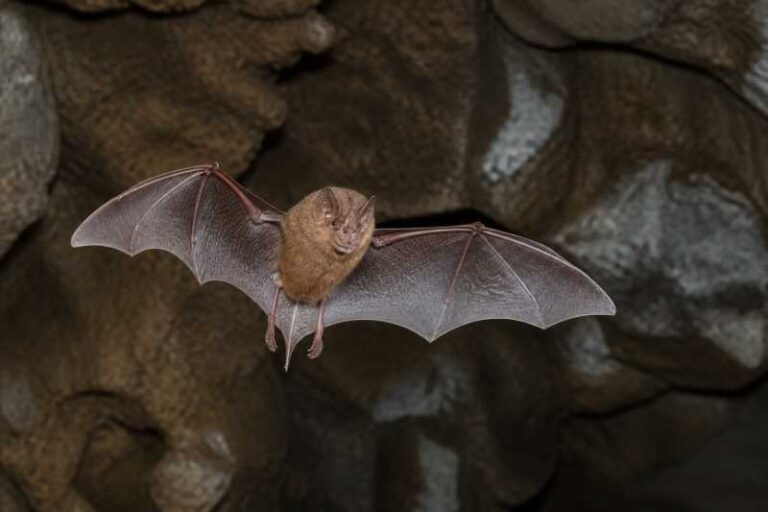
Uroderma bakeri is a small bat species characterized by its intriguing appearance. Typically, an adult Baker’s Tent-making Bat measures around 5 to 7 centimeters in length, with a wingspan ranging from 28 to 32 centimeters. The average weight of this bat is approximately 14 to 20 grams.
One of the most striking features of Baker’s Tent-making Bat is its leaf-shaped nose, which is a common trait within the Phyllostomidae family. This nose structure aids in echolocation, a vital sensory mechanism for navigation and hunting. The bat’s fur is generally a mixture of gray and light brown, providing excellent camouflage against the backdrop of its natural habitat.
Additionally, this species possesses large, rounded ears and a short tail, which enhance its auditory abilities and maneuverability in flight. The wings of Uroderma bakeri are broad and adapted for agile flight, allowing it to navigate through dense vegetation with ease.
Range and Habitat
Baker’s Tent-making Bat is primarily found in the tropical and subtropical regions of Central and South America. Its range extends from southern Mexico through Central America, reaching as far south as Peru and Brazil. This bat species favors habitats that offer abundant vegetation, such as rainforests, deciduous forests, and secondary growth areas.
The presence of large-leaved plants is crucial for the survival of Uroderma bakeri, as they rely on these leaves to construct their characteristic roosting tents. These tents provide shelter from predators and harsh weather while fostering social interactions within the bat colonies.
Behavior and Diet
The behavior of Baker’s Tent-making Bat is as intriguing as its physical characteristics. This species is primarily nocturnal, emerging at dusk to forage for food. The diet of Uroderma bakeri is predominantly frugivorous, with a preference for a variety of fruits, including figs, bananas, and guavas. Occasionally, they may consume nectar and pollen, contributing to the pollination of several plant species.
One of the most remarkable behaviors of this bat is its ability to create tents from leaves. The bats meticulously bite along the veins of large leaves, causing them to fold and form a tent-like structure. These tents serve as communal roosts, with multiple bats sharing the same shelter. This behavior not only highlights the bat’s ingenuity but also emphasizes the importance of preserving their natural habitat.
Identification Tips (Field Recognition Cues)
Identifying Baker’s Tent-making Bat in the field requires keen observation and knowledge of its distinctive features. Here are some tips to aid in the identification of this species:
- Leaf-shaped Nose: Look for the unique leaf-shaped nose, which is a key characteristic of the Phyllostomidae family.
- Tent Structures: Search for the presence of tent-like structures in the foliage, which are indicative of the bat’s roosting behavior.
- Fur Coloration: Note the grayish-brown fur that blends well with the surrounding environment.
- Size and Wingspan: Measure the approximate body length (5-7 cm) and wingspan (28-32 cm) to differentiate from other similar species.
- Flight Pattern: Observe the bat’s flight pattern at dusk; Uroderma bakeri exhibits agile and maneuverable flight.
Conservation Status (with Threats and Protections)
The conservation status of Baker’s Tent-making Bat is currently listed as Near Threatened, according to the International Union for Conservation of Nature (IUCN) Red List. The primary threats to this species include habitat destruction due to deforestation and agricultural expansion, which result in the loss of suitable roosting and foraging sites.
Efforts to protect Uroderma bakeri include the establishment of protected areas that preserve essential habitats and promote biodiversity. Conservation programs emphasize the importance of sustainable land use practices and the restoration of degraded habitats. Additionally, ongoing research and monitoring are crucial for understanding population trends and implementing effective conservation strategies.
Frequently Asked Questions
What is the primary diet of Baker’s Tent-making Bat?
Baker’s Tent-making Bat primarily feeds on fruits, making it a frugivorous species. Its diet includes a variety of fruits such as figs, bananas, and guavas. Occasionally, it also consumes nectar and pollen, which aids in the pollination of plants.
How does Baker’s Tent-making Bat construct its roosts?
The bat constructs roosts by biting along the veins of large leaves, causing them to fold and form a tent-like structure. These tents serve as communal shelters, providing protection from predators and environmental elements.
What are the main threats to Baker’s Tent-making Bat?
The main threats to this species include habitat destruction due to deforestation and agricultural expansion. These activities lead to the loss of suitable roosting and foraging sites, impacting the bat’s survival.
Where can Baker’s Tent-making Bat be found?
This species is found in the tropical and subtropical regions of Central and South America, ranging from southern Mexico to Peru and Brazil. It inhabits areas with abundant vegetation, such as rainforests and deciduous forests.
Why is Baker’s Tent-making Bat important to the ecosystem?
Baker’s Tent-making Bat plays a crucial role in seed dispersal and pollination, contributing to the maintenance of biodiversity in its habitat. Its frugivorous diet helps in spreading the seeds of various plant species, ensuring forest regeneration.
Related posts