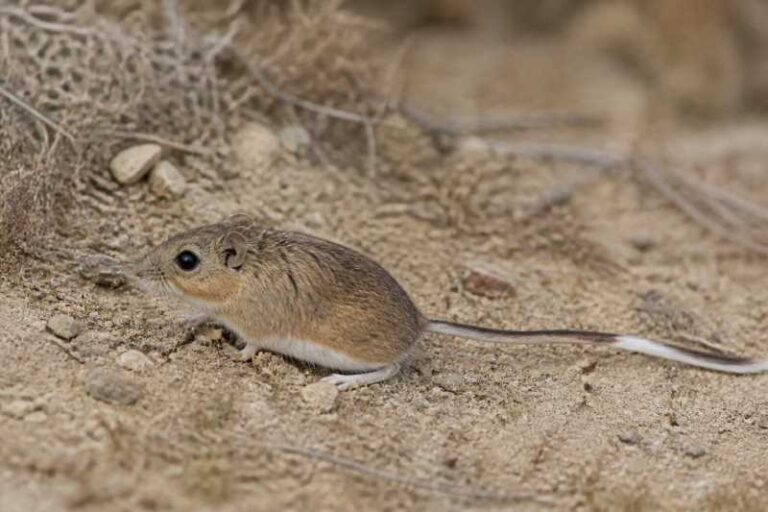
Introduction
The Chiapan Climbing Rat, scientifically known as Tylomys bullaris, is a fascinating yet little-known rodent species native to Mexico. As an arboreal mammal, this climbing rat is perfectly adapted to life in the trees, which is reflected in its unique physical adaptations and behavior. Despite its intriguing characteristics, the Chiapan Climbing Rat remains relatively understudied, with much of its ecology and behavior still shrouded in mystery. This article aims to provide a comprehensive overview of the Chiapan Climbing Rat, covering its physical description, habitat, behavior, diet, and conservation status.
Physical Description
The Chiapan Climbing Rat is a medium-sized rodent with a robust and flexible body structure that aids its arboreal lifestyle. Typically, this species exhibits a head-to-body length ranging from 20 to 30 centimeters, with an equally long tail that enhances its balance and maneuverability among the treetops. The fur of the Chiapan Climbing Rat is generally soft and dense, providing insulation and protection in its natural environment. Its coloration is usually a mix of grayish-brown shades on the dorsal side, with a lighter, often cream-colored underbelly.
One of the most distinctive features of the Chiapan Climbing Rat is its large, rounded ears, which are not only a key characteristic for identification but also serve an important role in auditory perception within the dense forest habitats. Additionally, the rat’s limbs are strong and equipped with sharp claws, which are essential for climbing and gripping onto the bark of trees.
Range and Habitat
The Chiapan Climbing Rat is endemic to the Mexican state of Chiapas, with its range primarily concentrated within the lush, tropical forests of the region. These forests provide the ideal habitat, offering abundant food sources and ample trees for climbing and shelter. The species is particularly associated with mid-elevation forests, which boast a rich biodiversity and a complex canopy structure that supports its arboreal lifestyle.
Despite its limited geographical range, the Chiapan Climbing Rat can adapt to various microhabitats within the forest, including the lower canopy and understory. The presence of this species is often indicative of a healthy, undisturbed forest ecosystem, as it relies heavily on the availability of natural resources and habitat stability.
Behavior and Diet
The behavior of the Chiapan Climbing Rat is largely nocturnal, with most of its activity occurring during the night. This nocturnal lifestyle helps the species avoid predators and take advantage of cooler temperatures. The rat is an adept climber, spending much of its time in the trees, where it forages for food and seeks shelter.
The diet of the Chiapan Climbing Rat is omnivorous, consisting primarily of fruits, seeds, and leaves, supplemented by small insects and other invertebrates. This varied diet not only provides the necessary nutrients for survival but also highlights the species’ role as both a consumer and a seed disperser within its ecosystem.
Identification Tips (Field Recognition Cues)
Identifying the Chiapan Climbing Rat in the field can be challenging due to its elusive nature and nocturnal habits. However, there are several key characteristics to look for:
- Size and Shape: Look for a medium-sized rodent with a robust body and a long tail.
- Fur Coloration: Note the grayish-brown dorsal fur and lighter underbelly.
- Ears: Large, rounded ears are distinctive features.
- Climbing Behavior: Observing its agile climbing and movement in trees can be a telltale sign.
Field observers should also listen for rustling noises in the canopy during nighttime hours, which may indicate the presence of this elusive rodent.
Conservation Status (with Threats and Protections)
The conservation status of the Chiapan Climbing Rat is currently listed as "Data Deficient" by the International Union for Conservation of Nature (IUCN). This designation underscores the lack of comprehensive data on the species’ population size, distribution, and ecological requirements. However, it is suspected that the species may be facing threats from habitat loss and fragmentation due to deforestation, agricultural expansion, and human encroachment.
Efforts to protect the Chiapan Climbing Rat should focus on preserving its natural forest habitats. This can be achieved through the establishment of protected areas, sustainable forestry practices, and community-based conservation initiatives. Research efforts are also needed to better understand the species’ ecology and inform conservation strategies.
Frequently Asked Questions
1. What is the habitat of the Chiapan Climbing Rat? The Chiapan Climbing Rat inhabits the tropical forests of Chiapas, Mexico, particularly favoring mid-elevation forests with a complex canopy structure.
2. Is the Chiapan Climbing Rat endangered? The Chiapan Climbing Rat is currently listed as "Data Deficient" by the IUCN due to a lack of comprehensive data, but habitat loss is a potential threat.
3. What does the Chiapan Climbing Rat eat? The diet of the Chiapan Climbing Rat is omnivorous, primarily consisting of fruits, seeds, leaves, and small insects.
4. How can you identify a Chiapan Climbing Rat? Key identification features include its medium size, grayish-brown fur, large rounded ears, and its adept climbing behavior in trees.
5. Why is the Chiapan Climbing Rat important? As an arboreal rodent, the Chiapan Climbing Rat plays a crucial role in its ecosystem by aiding in seed dispersal and as part of the food web.
Related posts