Yunnan Rufous Horseshoe Bat (Rhinolophus septentrionalis)
Introduction
The Yunnan Rufous Horseshoe Bat, scientifically known as Rhinolophus septentrionalis, is a captivating species of bat found primarily in the Yunnan region of China. This species belongs to the Rhinolophidae family, commonly known as horseshoe bats, which are named for the horseshoe-shaped structure on their noses that aids in echolocation. These bats play an essential role in their ecosystems as insectivores, helping to control insect populations, which benefits agriculture and reduces the spread of insect-borne diseases.
Physical Description
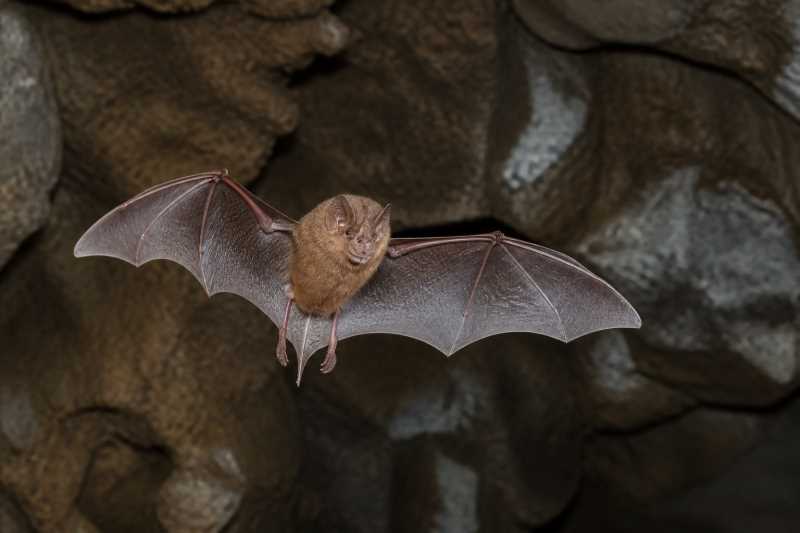
The Yunnan Rufous Horseshoe Bat is a medium-sized bat, characterized by its unique nose leaf structure, which is crucial for its echolocation capabilities. The nose leaf is a complex arrangement of skin flaps around the nostrils, resembling a horseshoe, which helps in sound modulation and direction.
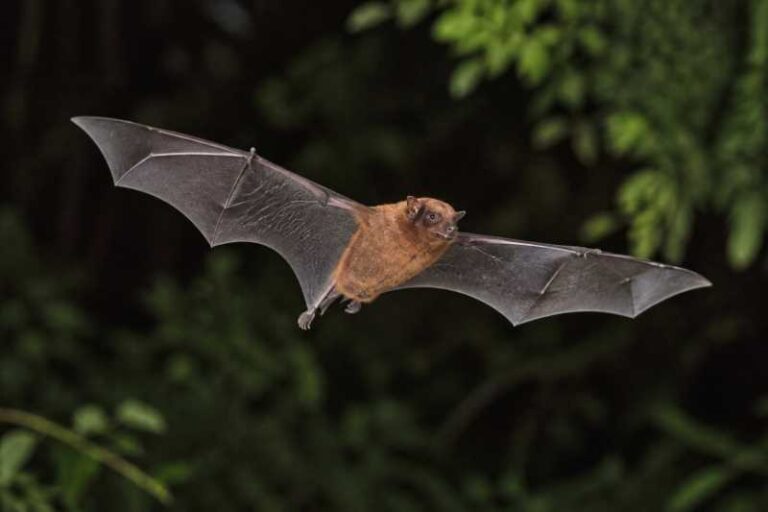
This bat species has a distinctive rufous or reddish-brown fur, which can vary slightly in hue depending on age and individual variation. The underparts are usually lighter, providing a stark contrast to the darker dorsal fur. The wings are long and narrow, designed for agile flight through dense vegetation and caves.
Adults typically have a forearm length of about 48-55 mm and weigh between 7-12 grams. Their eyes are small, and their ears are relatively large with a pointed tip, aiding in their exceptional hearing capabilities, vital for navigation and hunting in the dark.
Range and Habitat
The Yunnan Rufous Horseshoe Bat is predominantly found in the Yunnan province of southwestern China, although its range may extend into neighboring regions such as Myanmar, Laos, and Vietnam. This bat favors subtropical and tropical forests, thriving in areas with abundant foliage and numerous caves or hollow trees for roosting.
These bats select roosting sites that provide safety from predators and stable microclimates. Typically, they inhabit limestone caves, abandoned mines, and occasionally, buildings. The availability of water sources near these habitats is crucial, as it supports the insect populations that form their diet.
Behavior and Diet
The Yunnan Rufous Horseshoe Bat is nocturnal, emerging from its roost at dusk to forage for food. Its diet primarily consists of insects, including moths, beetles, and flies. The bat uses echolocation to locate and capture its prey, emitting high-frequency sounds that bounce off objects, allowing it to create a map of its surroundings.
During foraging, these bats exhibit agile flight patterns, capable of rapid maneuvers to catch insects mid-air or glean them off foliage. They often forage alone but may also be seen in small groups, especially in areas with high insect activity.
Socially, these bats are known to roost in colonies that can range from a few individuals to several hundred. Roosting together provides warmth and protection, as well as increased chances of finding mates.
Identification Tips (Field Recognition Cues)
Identifying the Yunnan Rufous Horseshoe Bat in the field can be challenging due to its nocturnal habits and similarity to other horseshoe bat species. However, certain features can aid in its identification:
- Nose Leaf: The characteristic horseshoe-shaped nose leaf is a key feature.
- Fur Color: Look for the distinctive rufous or reddish-brown coat.
- Size: Medium-sized with a forearm length of 48-55 mm.
- Echolocation Calls: These bats emit specific frequency calls that can be detected using bat detectors, aiding in identification.
- Habitat Preference: Found primarily in Yunnan, within subtropical and tropical forests near limestone caves.
Conservation Status (with threats and protections)
The conservation status of the Yunnan Rufous Horseshoe Bat is currently listed as Near Threatened, according to the International Union for Conservation of Nature (IUCN). The primary threats to this species include habitat loss due to deforestation, cave disturbances from human activities, and pollution.
Efforts to conserve the Yunnan Rufous Horseshoe Bat focus on protecting its natural habitats, particularly the roosting caves and surrounding forests. Establishing protected areas and promoting sustainable land-use practices are essential measures.
Additionally, educating local communities about the ecological importance of bats can help reduce negative perceptions and the destruction of roosting sites.
Frequently Asked Questions
1. What role does the Yunnan Rufous Horseshoe Bat play in its ecosystem?
The Yunnan Rufous Horseshoe Bat is crucial for maintaining healthy ecosystems as it helps control insect populations. By feeding on pests, these bats reduce the need for chemical pesticides, supporting agricultural productivity and minimizing the spread of insect-borne diseases.
2. How can I help in the conservation of the Yunnan Rufous Horseshoe Bat?
Supporting conservation organizations, advocating for habitat protection, and spreading awareness about the bat’s ecological role are effective ways to contribute. Participating in or supporting research initiatives can also provide valuable data for conservation efforts.
3. Are Yunnan Rufous Horseshoe Bats dangerous to humans?
No, these bats are not dangerous to humans. They are insectivores and pose no direct threat. Bats, in general, benefit humans by controlling pest populations. However, like all wildlife, it is essential to observe them from a distance to avoid disturbance.
Related posts