Introduction
The Mamasa Water Rat, scientifically known as Waiomys mamasae, is a fascinating and relatively enigmatic rodent species found in the lush landscapes of Indonesia. First discovered in 2014, this semi-aquatic mammal has intrigued researchers due to its unique adaptations and ecological niche within the dense forests and waterways of Sulawesi Island. As a species that is both elusive and understudied, the Mamasa Water Rat offers valuable insights into the biodiversity of its region, making it a subject of interest for both scientists and conservationists.
Physical Description
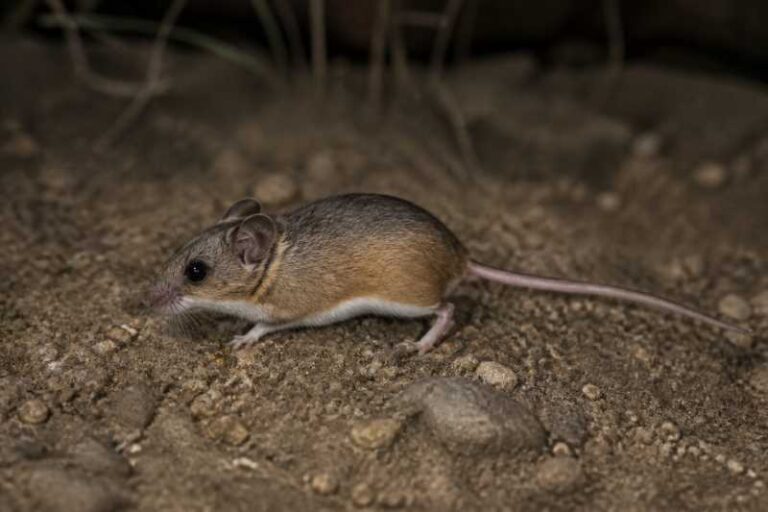
The Mamasa Water Rat possesses several distinctive physical characteristics that set it apart from other rodents. On average, it measures about 18 to 20 centimeters in body length, with a tail that adds an additional 16 to 18 centimeters. The rat’s fur is soft and dense, providing insulation and waterproofing—essential traits for its semi-aquatic lifestyle. Typically, the fur is a dark grayish-brown on the dorsal side, transitioning to a lighter gray or white on the ventral side.
The species is also noted for its relatively large hind feet, which are adapted for swimming. These feet are partially webbed, aiding in efficient movement through water. Unlike many other rodent species, the Mamasa Water Rat has small, rounded ears and a somewhat blunt snout, adaptations that likely support its aquatic habits.
Range and Habitat
The Mamasa Water Rat is endemic to Sulawesi Island in Indonesia, specifically within the Mamasa Regency, from which it derives its name. This region is characterized by montane forests, high rainfall, and a network of rivers and streams—ideal conditions for a semi-aquatic species. The rat typically inhabits areas close to water sources, such as riverbanks and marshy zones, where it can find both shelter and food.
Due to its specialized habitat preferences, the Mamasa Water Rat is not widely distributed and is primarily confined to specific ecological niches within the island. Its habitat is often threatened by human activities, including deforestation and agricultural expansion, which makes conservation efforts crucial for its survival.
Behavior and Diet
The Mamasa Water Rat is primarily nocturnal, conducting most of its activities under the cover of darkness. This behavior helps it avoid predators and take advantage of cooler nighttime temperatures. The rat is known for its adept swimming skills, using its webbed feet to navigate swiftly through water in search of food.
Dietarily, the Mamasa Water Rat is omnivorous. Its diet consists of a variety of aquatic and terrestrial invertebrates, small fish, and plant material. This dietary flexibility allows it to exploit diverse food sources within its habitat, making it an integral part of the local ecosystem.
Identification Tips
When attempting to identify the Mamasa Water Rat in the field, there are several cues to consider:
- Location: Check areas close to water bodies in the montane forests of Sulawesi Island.
- Size and Shape: Look for a medium-sized rodent with a long tail, partially webbed feet, and small ears.
- Coloration: Note the dark grayish-brown fur on the back and lighter underparts.
- Behavior: Observe for nocturnal activity near water.
Conservation Status
The conservation status of the Mamasa Water Rat is currently listed as ‘Data Deficient’ by the International Union for Conservation of Nature (IUCN). This classification highlights the lack of comprehensive data on the species’ population, trends, and threats. However, known threats include habitat destruction due to deforestation, agricultural encroachment, and water pollution.
Conservation efforts are needed to ensure the survival of the Mamasa Water Rat. Protecting its natural habitat through sustainable land-use practices and establishing protected areas are critical steps. Further research is also essential to gather more information on its ecology and population dynamics.
Frequently Asked Questions
What is the habitat of the Mamasa Water Rat?
The Mamasa Water Rat inhabits montane forests and areas near water sources such as rivers and streams on Sulawesi Island, Indonesia.
How does the Mamasa Water Rat adapt to its environment?
It has adaptations like webbed feet for swimming, dense fur for insulation, and a flexible diet to thrive in its semi-aquatic habitat.
Is the Mamasa Water Rat endangered?
Currently, it is listed as ‘Data Deficient’ due to a lack of comprehensive data, but its habitat faces threats from human activities.
What does the Mamasa Water Rat eat?
It is omnivorous, feeding on aquatic and terrestrial invertebrates, small fish, and plant material.
How can I identify a Mamasa Water Rat in the wild?
Look for a medium-sized rodent with partially webbed feet, small ears, and dark grayish-brown fur near water bodies in Sulawesi.
Related posts