Eastern Greenish Yellow Bat (Scotophilus viridis): A Comprehensive Guide
Introduction
The Eastern Greenish Yellow Bat, scientifically known as Scotophilus viridis, is a fascinating species belonging to the family Vespertilionidae. This species, notable for its unique coloration and ecological role, is a subject of interest for both researchers and wildlife enthusiasts. Found primarily in parts of Africa, these bats play a crucial role in maintaining the balance of their ecosystems by controlling insect populations. This article delves into the various aspects of the Eastern Greenish Yellow Bat, from its physical characteristics to its conservation status, providing a thorough understanding of this remarkable mammal.
Physical Description
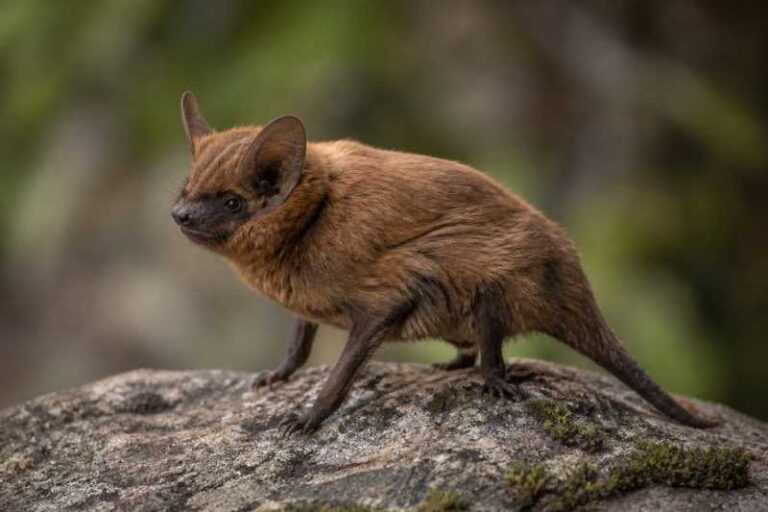
The Eastern Greenish Yellow Bat is distinguished by its distinctive greenish-yellow fur, which provides excellent camouflage among foliage. Adults typically range in size from 9 to 11 centimeters in body length, with a wingspan of approximately 27 to 33 centimeters. The bat’s fur is soft and dense, providing insulation and aiding in thermoregulation.
The face of the Eastern Greenish Yellow Bat is characterized by a short, broad snout and large, round ears that are adept at detecting sound waves, a critical feature for echolocation. The eyes are small, yet capable of night vision, supporting their nocturnal lifestyle. Their wings are long and narrow, designed for swift, agile flight, allowing them to navigate through dense vegetation and catch prey with precision.
Range and Habitat
The Eastern Greenish Yellow Bat is predominantly found in Eastern and Southern Africa, with its range extending across countries such as Kenya, Tanzania, Malawi, and Mozambique. These bats prefer habitats that offer a mix of open spaces and dense vegetation, including savannas, woodlands, and the edges of forests.
They are known to roost in tree hollows, under bark, and occasionally in man-made structures, which provide shelter and protection from predators. The availability of water sources is also a crucial factor for their habitat preference, as it supports a higher abundance of insects, which constitute their primary diet.
Behavior and Diet
Eastern Greenish Yellow Bats are nocturnal creatures, emerging at dusk to forage for food. They are insectivorous, primarily feeding on a variety of insects, including moths, beetles, and mosquitoes. Their role as insect controllers is vital for maintaining ecological balance, as they help reduce pest populations that could otherwise impact agricultural productivity.
These bats utilize echolocation to navigate and hunt in the dark. By emitting high-frequency sound waves that bounce off objects and return as echoes, they can detect the size, shape, and movement of prey, enabling them to capture insects in mid-air with remarkable accuracy.
Social behavior is also observed in Scotophilus viridis, as they often roost in small colonies. This social structure provides benefits such as increased protection from predators and shared warmth during colder periods.
Identification Tips (Field Recognition Cues)
Identifying the Eastern Greenish Yellow Bat can be challenging due to its nocturnal habits and elusive nature. However, certain cues can aid in recognition:
- Coloration: Their unique greenish-yellow fur is a primary distinguishing feature.
- Size and Shape: Note their medium size and the broad, rounded wings which aid in agile flight.
- Habitat: Look for them in regions with a mix of open and wooded areas, especially near water sources.
- Behavior: Observe their flight patterns at dusk; they are typically fast and erratic as they chase insects.
- Echolocation Calls: Using bat detectors can help identify their presence by picking up their ultrasonic calls.
Conservation Status (with Threats and Protections)
Currently, the conservation status of the Eastern Greenish Yellow Bat is classified as "Least Concern" by the IUCN Red List. However, like many bat species, they face several threats that could impact their populations if not managed.
Threats:
- Habitat Loss: Deforestation and land conversion for agriculture are significant threats, as they lead to the destruction of roosting and foraging habitats.
- Pesticide Use: The widespread use of pesticides reduces insect populations, which directly affects the bat’s food supply.
- Climate Change: Alterations in weather patterns can affect insect abundance and availability.
Protections:
- Habitat Conservation: Protected areas and conservation initiatives focusing on habitat preservation are crucial.
- Awareness Campaigns: Educating local communities about the ecological importance of bats can foster positive attitudes and protective measures.
- Research and Monitoring: Continued research is essential to monitor population trends and address emerging threats.
Frequently Asked Questions
What do Eastern Greenish Yellow Bats eat?
Eastern Greenish Yellow Bats primarily feed on insects such as moths, beetles, and mosquitoes. Their diet plays a crucial role in controlling pest populations.
How can I identify an Eastern Greenish Yellow Bat?
Look for their distinctive greenish-yellow fur, medium size, and agile flight patterns. They are often found in wooded areas near water sources.
Are Eastern Greenish Yellow Bats endangered?
Currently, they are classified as "Least Concern" but face threats such as habitat loss and pesticide use. Conservation efforts are important to maintain their populations.
Where are Eastern Greenish Yellow Bats found?
These bats are found in Eastern and Southern Africa, including countries like Kenya, Tanzania, Malawi, and Mozambique.
How do Eastern Greenish Yellow Bats navigate in the dark?
They use echolocation, emitting high-frequency sound waves that bounce off objects and return as echoes, helping them detect prey and navigate through their environment.
Related posts