Introduction
The Yucatán Small-eared Shrew, scientifically known as Cryptotis mayensis, is a fascinating mammal species endemic to the Yucatán Peninsula in Mexico. Known for its elusive nature and distinctive characteristics, this shrew is an intriguing subject for both researchers and wildlife enthusiasts. This article delves into various aspects of the Yucatán Small-eared Shrew, including its physical description, range and habitat, behavior and diet, identification tips, and conservation status.
Physical Description
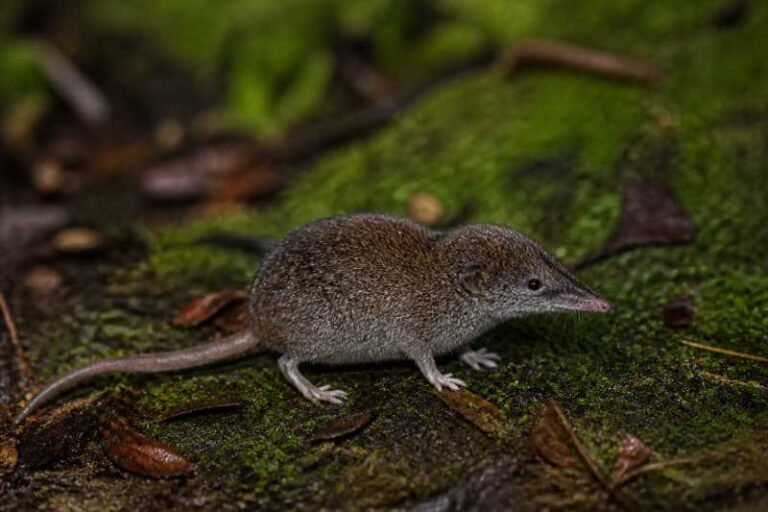
The Yucatán Small-eared Shrew is a member of the Soricidae family, characterized by its small size and distinct physical features. Adult shrews typically measure between 8 to 10 centimeters in length, including their short tails. They weigh approximately 4 to 6 grams, making them one of the smaller members of their genus.
This species is identifiable by its dense, velvety fur, which ranges in color from dark gray to brown, providing effective camouflage in their natural habitat. The shrew’s ears are notably small and often hidden beneath its fur, a feature that distinguishes it from other shrews. Their elongated snout is another prominent characteristic, equipped with sensitive whiskers that assist in navigation and foraging.
Range and Habitat
The Yucatán Small-eared Shrew is native to the Yucatán Peninsula, with its range extending across parts of Mexico, Belize, and Guatemala. This species thrives in a variety of habitats, including tropical rainforests, deciduous forests, and occasionally in areas of secondary growth. They prefer moist environments with ample ground cover, such as leaf litter and underbrush, which offer protection from predators and a rich supply of insects.
These shrews are adapted to subterranean life, often found in burrows or under logs and rocks. Their habitat selection is closely tied to the availability of food and shelter, as well as the avoidance of competition and predation.
Behavior and Diet
The Yucatán Small-eared Shrew is a solitary and nocturnal creature, primarily active during the night when it forages for food. Their diet consists mainly of insects and other invertebrates, including beetles, ants, and worms. They use their keen sense of smell and sensitive whiskers to detect prey in the dark.
These shrews have a high metabolic rate, requiring them to consume food almost continuously to sustain their energy levels. Despite their small size, they are aggressive hunters, using their sharp teeth to capture and consume prey.
Reproduction in Yucatán Small-eared Shrews is not well-documented, but it is believed that they follow a breeding pattern similar to other shrew species, with multiple litters per year and a relatively short gestation period.
Identification Tips (Field Recognition Cues)
Identifying the Yucatán Small-eared Shrew in the field requires attention to specific cues, given their elusive nature. Here are some tips:
- Size and Shape: Look for a small, compact mammal with a short tail and a pointed snout.
- Fur Texture and Color: Note the velvety texture of their fur and its dark gray to brown coloration.
- Ear Size: The ears are small and often hidden beneath the fur, a distinguishing feature from larger-eared shrews.
- Behavior: Observe their nocturnal activity patterns and rapid movements as they forage for insects.
- Habitat: Focus on moist areas with dense ground cover, such as forest floors with abundant leaf litter.
Conservation Status (With Threats and Protections)
The conservation status of the Yucatán Small-eared Shrew is currently not well-documented due to its elusive nature and the lack of comprehensive studies. However, like many small mammals, it faces potential threats from habitat destruction and fragmentation, primarily due to agricultural expansion and deforestation in the Yucatán Peninsula.
Conservation efforts are crucial for preserving this species, emphasizing the protection of its natural habitat. Establishing protected areas and promoting sustainable land-use practices are essential steps in mitigating these threats. Additionally, further research is needed to better understand the species’ ecology and population dynamics.
Frequently Asked Questions
1. What does the Yucatán Small-eared Shrew eat? The Yucatán Small-eared Shrew primarily feeds on insects and other invertebrates, including beetles, ants, and worms, which it hunts using its keen sense of smell and touch.
2. Where can the Yucatán Small-eared Shrew be found? This species is native to the Yucatán Peninsula, found in parts of Mexico, Belize, and Guatemala, inhabiting tropical and deciduous forests with dense ground cover.
3. How does the Yucatán Small-eared Shrew avoid predators? The shrew uses its small size, nocturnal behavior, and camouflaging fur to avoid predators. It also seeks refuge in burrows and under dense vegetation.
4. Why is the Yucatán Small-eared Shrew important? As an insectivore, the shrew plays a crucial role in controlling insect populations, contributing to the ecological balance of its habitat.
5. What are the main threats to the Yucatán Small-eared Shrew? The primary threats include habitat destruction and fragmentation due to agricultural expansion and deforestation in the Yucatán Peninsula.
Related posts