Introduction
Hoogerwerf’s Sumatran Rat, scientifically known as Rattus hoogerwerfi, is a fascinating yet underrepresented mammal in the vast family of rodents. Found exclusively in the lush landscapes of Sumatra, this species is named in honor of the Dutch naturalist Andries Hoogerwerf who contributed significantly to the understanding of Indonesian wildlife. Despite its limited geographical range, the Hoogerwerf’s Sumatran Rat plays a crucial ecological role in its habitat. This article delves into the unique attributes of this species, exploring its physical characteristics, habitat preferences, behavior, and conservation status.
Physical Description
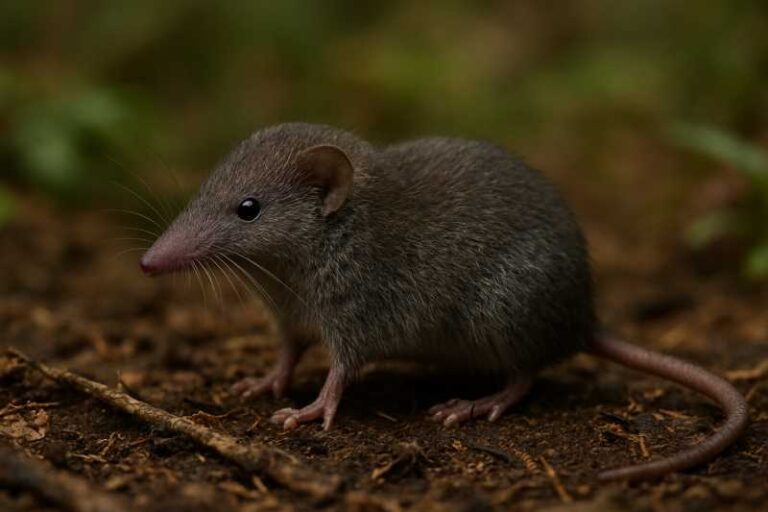
The Hoogerwerf’s Sumatran Rat exhibits distinct physical traits that set it apart from other rodents. Typically, this species has a small to medium-sized body, with an average length ranging between 15 to 20 centimeters, excluding the tail, which adds an additional 12 to 18 centimeters. The fur is predominantly brownish-grey, providing excellent camouflage against the forest floor. A distinguishing feature of this rat is its relatively large ears and eyes, indicative of its nocturnal lifestyle. The whiskers are long and sensitive, aiding in navigation through dense undergrowth.
The tail is covered in fine scales and sparse hairs, serving as a balancing tool as the rat maneuvers through its environment. The feet are dexterous, equipped with sharp claws that facilitate climbing and digging. These physical adaptations are crucial for survival in the competitive ecosystem of Sumatra.
Range and Habitat
Hoogerwerf’s Sumatran Rat is endemic to the island of Sumatra, Indonesia, where it inhabits various types of forested environments. Its range includes both lowland and montane forests, with a preference for areas that offer dense vegetation and abundant food resources. The species thrives in primary and secondary forests, exhibiting a remarkable ability to adapt to disturbed habitats, which has aided in its persistence despite deforestation pressures.
The altitudinal range for this species is generally between 300 to 2,000 meters above sea level. The humid tropical climate of Sumatra provides an ideal setting for the rat, with ample food supply and cover from predators. The presence of streams and rivers within these habitats is particularly beneficial, as Hoogerwerf’s Sumatran Rat is known to be a competent swimmer.
Behavior and Diet
The behavioral patterns of Hoogerwerf’s Sumatran Rat are primarily nocturnal, with peak activity occurring during the night. This nocturnality is an evolutionary adaptation to avoid predators and reduce competition for food with diurnal species. The rats are solitary creatures, though they may occasionally be observed foraging in small groups.
In terms of diet, Hoogerwerf’s Sumatran Rat is omnivorous. It consumes a varied diet that includes seeds, fruits, insects, and small invertebrates. This dietary flexibility allows the species to exploit a wide range of food sources, which is particularly advantageous in changing environments. The rat plays a vital role in seed dispersal, contributing to forest regeneration and biodiversity.
Identification Tips (Field Recognition Cues)
Identifying Hoogerwerf’s Sumatran Rat in the wild can be challenging due to its elusive nature. However, several field recognition cues can aid in its identification:
- Size and Shape: Look for a medium-sized rodent with a long tail that is approximately equal to or slightly longer than its body length.
- Coloration: Note the brownish-grey fur which blends well with the forest floor.
- Ears and Eyes: Large ears and eyes are prominent features, suitable for a nocturnal lifestyle.
- Behavior: Observe nocturnal activity patterns and solitary behavior, often with a cautious and quick movement through underbrush.
Conservation Status (with Threats and Protections)
Currently, the conservation status of Hoogerwerf’s Sumatran Rat is not well-documented, largely due to its cryptic nature and the limited research focused on this species. However, like many endemic species in Indonesia, it faces significant threats from habitat destruction, primarily due to logging and agricultural expansion.
Deforestation in Sumatra has been a critical issue, with large swathes of forest being cleared for palm oil plantations and other agricultural uses. This loss of habitat not only threatens Hoogerwerf’s Sumatran Rat but also the entire ecosystem it supports. Additionally, climate change poses a long-term threat by altering the delicate balance of its forest habitat.
Conservation efforts for this species are not specifically targeted but fall under broader initiatives to preserve Sumatra’s forests. Protected areas such as national parks provide some refuge, but enhanced conservation strategies are needed to ensure the survival of this unique rodent. Increased research and monitoring are essential for developing effective conservation plans.
Frequently Asked Questions
What is the diet of Hoogerwerf’s Sumatran Rat?
Hoogerwerf’s Sumatran Rat has an omnivorous diet, feeding on seeds, fruits, insects, and small invertebrates. This diverse diet allows it to adapt to various food availability in its habitat.
Where can Hoogerwerf’s Sumatran Rat be found?
This species is endemic to Sumatra, Indonesia, and inhabits both lowland and montane forests, with a preference for areas with dense vegetation and water sources.
How does Hoogerwerf’s Sumatran Rat contribute to its ecosystem?
The species plays a critical role in seed dispersal, which aids in forest regeneration and maintaining biodiversity within its habitat.
What are the main threats to Hoogerwerf’s Sumatran Rat?
The primary threats include habitat destruction due to deforestation for agriculture and logging, along with the broader impacts of climate change.
How can Hoogerwerf’s Sumatran Rat be identified in the wild?
Key identification features include its medium size, brownish-grey fur, large ears and eyes, and nocturnal, solitary behavior.
Related posts