Exploring the Enigmatic World of the Yellow-capped Pygmy Parrot (Micropsitta keiensis): A Hidden Gem of the Avian Realm
Introduction
The Yellow-capped Pygmy Parrot (Micropsitta keiensis) is a captivating species that often flies under the radar of bird enthusiasts and researchers alike. This diminutive bird, belonging to the family Psittaculidae, is native to the lush rainforests of New Guinea and surrounding islands. Despite its small size, the Yellow-capped Pygmy Parrot plays a significant role in the biodiversity of its habitat. This article delves into the fascinating aspects of this parrot, from its unique physical attributes to its behavior and conservation status.
Taxonomy and Distribution
The Yellow-capped Pygmy Parrot is one of six species within the genus Micropsitta. This genus is unique for its members’ small size, with the Yellow-capped Pygmy Parrot being one of the smallest parrot species in the world. The species is primarily found in the lowland and montane rainforests of New Guinea and its satellite islands, including the Kei Islands, after which it is named.
Physical Characteristics
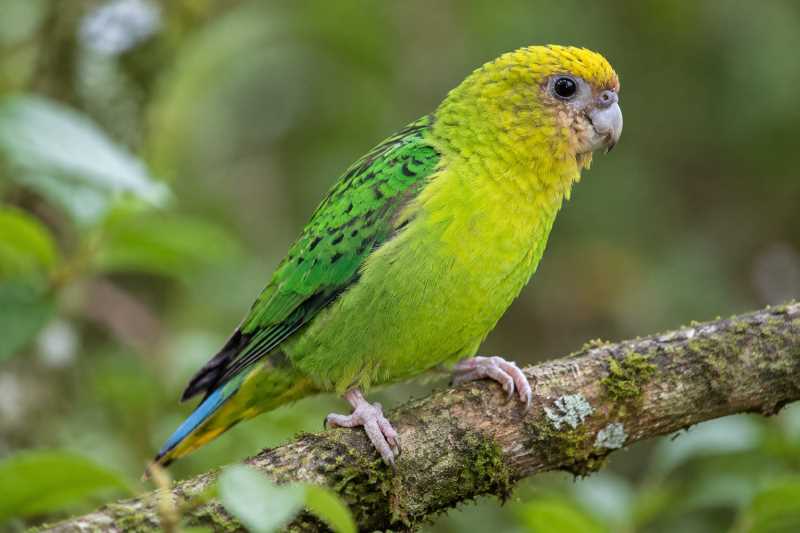
Despite its small stature, the Yellow-capped Pygmy Parrot is a vibrant and visually striking bird. It measures approximately 8-9 cm in length and weighs around 11-12 grams. The bird’s plumage is predominantly green, providing excellent camouflage among the forest foliage. Its most distinctive feature is the bright yellow cap on its head, from which it derives its common name. This yellow marking contrasts sharply with the rest of its body, making it easier to identify when spotted in the wild. Other notable features include a short tail and a stout, curved beak ideal for its feeding habits.
Behavior and Ecology
The Yellow-capped Pygmy Parrot is an arboreal species, spending most of its life in the treetops of dense forests. It is a highly social bird, often seen in small flocks that move swiftly through the canopy. These parrots are known for their agility, able to navigate through foliage with remarkable speed and precision.
Their diet primarily consists of lichens, mosses, and fungi, which they forage from tree bark and branches. This specialized diet is relatively unique among parrots, highlighting an interesting ecological niche. The parrots use their strong beaks to scrape off lichens and fungi, playing a crucial role in the ecosystem by aiding in the control of these plant materials.
Reproduction and Lifespan
Little is known about the reproductive habits of the Yellow-capped Pygmy Parrot due to its elusive nature and the challenging terrain of its habitat. However, it is believed that they nest in tree cavities, similar to other parrots. The breeding season likely coincides with the rainy season, when food is abundant. Females typically lay a small clutch of eggs, and both parents are involved in the care and feeding of the young.
In terms of lifespan, while specific data on the Yellow-capped Pygmy Parrot is limited, similar small parrot species have been known to live up to 10 years in the wild.
Conservation Status
The Yellow-capped Pygmy Parrot is currently classified as Least Concern by the International Union for Conservation of Nature (IUCN). However, like many rainforest species, it faces threats from habitat loss due to deforestation and land conversion for agriculture. The remote and often inaccessible nature of its habitat provides some protection, but ongoing conservation efforts are essential to ensure its survival.
Conservation initiatives focus on protecting rainforest habitats and reducing illegal logging activities. Community engagement and education are also crucial components, fostering a greater appreciation and understanding of the importance of preserving these unique ecosystems.
Conclusion
The Yellow-capped Pygmy Parrot is a testament to the incredible diversity found within the avian world. Its small size belies its ecological importance, and its vibrant appearance is a reminder of the beauty hidden within the world’s rainforests. While it may not be as famous as some of its larger parrot cousins, the Yellow-capped Pygmy Parrot deserves recognition and protection. By promoting awareness and conservation efforts, we can help ensure that this remarkable species continues to thrive in its natural habitat.
References
- BirdLife International. (2023). Micropsitta keiensis. The IUCN Red List of Threatened Species.
- Forshaw, J. M. (2010). Parrots of the World. Princeton University Press.
- Juniper, T., & Parr, M. (1998). Parrots: A Guide to Parrots of the World. Yale University Press.
Author Bio
[Author Name] is a wildlife biologist specializing in avian species. With over a decade of experience in field research and conservation, [Author Name] is dedicated to promoting awareness and understanding of bird species worldwide.
Related posts