Gulf of Oman Horseshoe Bat (Rhinolophus midas)
Introduction
The Gulf of Oman Horseshoe Bat, scientifically known as Rhinolophus midas, is a fascinating mammal species that belongs to the family Rhinolophidae. This bat is an integral part of the ecosystem in the regions it inhabits, playing a critical role in controlling insect populations. Despite its significance, this species remains relatively understudied, and its conservation status is a growing concern due to habitat loss and other anthropogenic pressures.
Physical Description
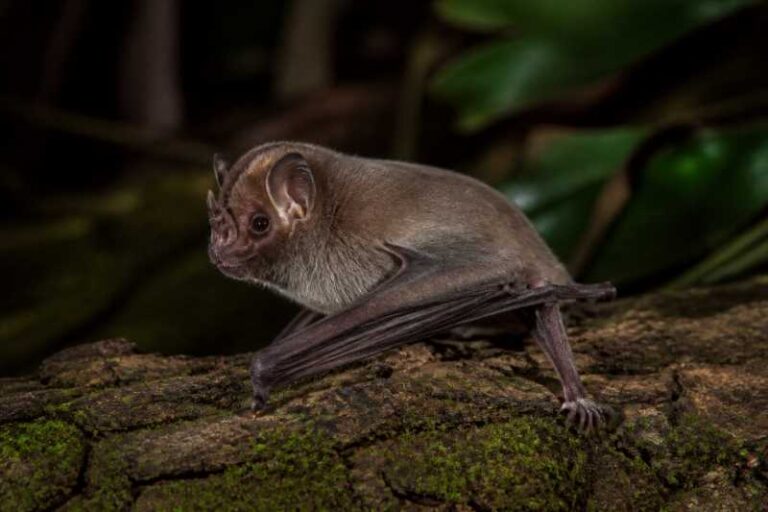
The Gulf of Oman Horseshoe Bat is characterized by its distinct horseshoe-shaped noseleaf, a common feature among bats of the Rhinolophus genus. This complex nasal structure is crucial for echolocation, allowing the bat to navigate and hunt in the dark with high precision. The body length of Rhinolophus midas ranges from 45 to 55 mm, with a wingspan of approximately 300 to 340 mm. These bats exhibit a grey to brown fur color, which helps them blend into their rocky, cave-dwelling habitats. Their ears are large and rounded, enhancing their auditory capabilities.
Range and Habitat
Rhinolophus midas is primarily found in the Gulf of Oman region, encompassing parts of Oman, the United Arab Emirates, and occasionally extending into southern Iran. These bats prefer karst landscapes, which are characterized by limestone caves and rocky outcrops. Such habitats provide the ideal roosting sites, offering protection from predators and extreme weather. The availability of caves and crevices is crucial for their survival, as these bats are highly dependent on these structures for day roosts and breeding sites.
Behavior and Diet
The Gulf of Oman Horseshoe Bat is nocturnal, emerging at dusk to forage for food. Their diet primarily consists of a variety of insects, including moths, beetles, and flies. This insectivorous diet helps in regulating local insect populations, thus contributing to the ecological balance. Echolocation is their primary tool for hunting, where they emit ultrasonic calls that bounce off objects, helping them locate and capture prey with remarkable accuracy.
In terms of social behavior, Rhinolophus midas tends to roost in small to medium-sized colonies. These groups often consist of several individuals, although solitary roosting has also been observed. The bats exhibit seasonal breeding patterns, with mating typically occurring in the late winter months, followed by a gestation period that results in the birth of a single pup per year.
Identification Tips
Field recognition of the Gulf of Oman Horseshoe Bat involves several key characteristics:
- Noseleaf Shape: The distinct horseshoe-shaped noseleaf is a definitive feature.
- Fur Color: Look for grey to brown fur, aiding in camouflage against rocky backgrounds.
- Ears: Large, rounded ears are prominent, aiding in their acute hearing.
- Flight Pattern: Observe their agile flight near cave entrances or over water bodies at dusk.
Conservation Status
The conservation status of the Gulf of Oman Horseshoe Bat is currently classified as Near Threatened on the IUCN Red List. The primary threats to this species include habitat destruction due to mining, urban development, and tourism. Disturbance of roosting sites during cave explorations and recreational activities poses significant risks to their colonies.
Conservation efforts are crucial to ensure the survival of this bat species. Protection of habitats, especially caves and karst landscapes, is essential. Additionally, raising awareness about the ecological importance of bats and implementing regulations to minimize human disturbance can aid in their conservation.
Frequently Asked Questions
What do Gulf of Oman Horseshoe Bats eat?
Gulf of Oman Horseshoe Bats primarily feed on insects, including moths, beetles, and flies, which they hunt using echolocation.
Where can I find Gulf of Oman Horseshoe Bats?
These bats are found in the Gulf of Oman region, particularly in Oman, the UAE, and parts of southern Iran, typically in limestone caves and rocky outcrops.
How do Gulf of Oman Horseshoe Bats navigate?
They use echolocation, emitting ultrasonic calls that help them navigate and hunt by bouncing sound waves off objects.
Are Gulf of Oman Horseshoe Bats endangered?
Currently, they are classified as Near Threatened, facing risks from habitat destruction and human disturbances.
What is the best time to observe Gulf of Oman Horseshoe Bats?
The best time to observe these bats is at dusk when they emerge from their roosts to forage for food.
Related posts