The Spectacled Parrotlet: A Detailed Insight into the Vibrant Avian Gem
The Spectacled Parrotlet (Forpus conspicillatus) is a captivating member of the parrot family, known for its vibrant plumage and spirited demeanor. This small parrot species, native to the tropical regions of South America, particularly Colombia and Venezuela, has garnered attention from ornithologists and bird enthusiasts alike for its striking appearance and engaging behavior.
Taxonomy and Classification
The Spectacled Parrotlet belongs to the genus Forpus, which comprises several small parrot species known as parrotlets. Described scientifically first by Charles Lucien Bonaparte in 1853, the species name ‘conspicillatus’ refers to its distinctive spectacles-like eye markings. The Forpus genus is part of the Psittacidae family, which encompasses a wide variety of parrots known for their intelligence and social nature.
Physical Description
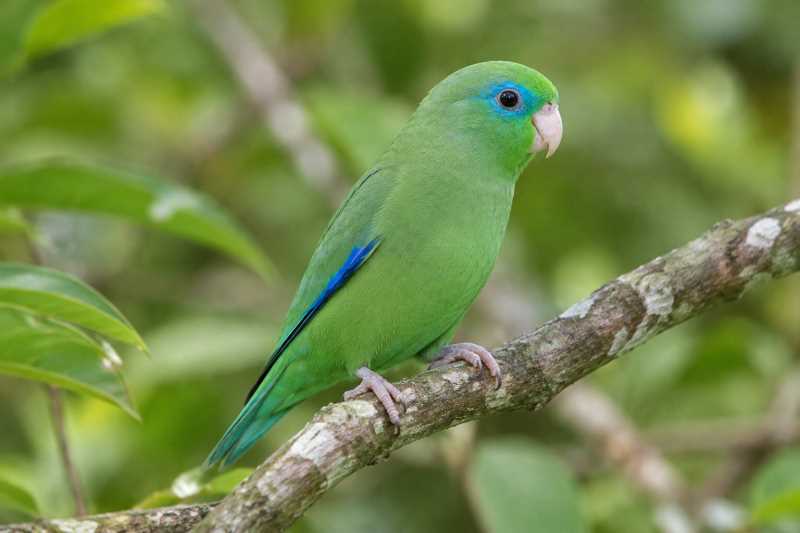
True to its name, the Spectacled Parrotlet is best identified by the blue rings around its eyes, resembling spectacles. These small parrots measure merely about 12-13.5 cm in length and weigh around 28 grams, making them one of the smallest parrot species in the world. Despite their diminutive size, their plumage is nothing short of spectacular. Males typically display a bright green body with a noticeable cobalt-blue patch on the wings and back, while females are predominantly green with a hint of blue on their wings. Their vivid coloration, particularly the males’, is a visual delight and serves as a useful identification marker.
Habitat and Distribution
The natural habitat of the Spectacled Parrotlet spans the lowland forests, tropical savannas, and agricultural lands in Colombia and Venezuela. They are often found in open woodland areas, forest edges, and even in urban environments. These birds have adapted well to various habitats, allowing them to thrive in both wild and semi-wild conditions.
In their natural environment, Spectacled Parrotlets are known to form small flocks, typically ranging from pairs to groups of up to 10 birds. They are highly social creatures, often seen engaging in mutual preening and playful interactions, which are essential behaviors for maintaining social bonds within their flocks.
Diet and Feeding Habits
In the wild, Spectacled Parrotlets have a diverse diet primarily consisting of seeds, fruits, and flowers. They are known to forage in the canopy of trees, skillfully extracting seeds from various fruits and pods. Their strong, curved beaks are well-adapted for cracking open seeds and nuts. In addition to seeds and fruits, they occasionally consume insects and larvae, which provide essential protein.
In captivity, a balanced diet for Spectacled Parrotlets should include a mix of high-quality parrotlet pellets, fresh fruits, vegetables, and seeds. It is crucial to ensure that their diet is varied to meet their nutritional needs and to prevent boredom, which can lead to behavioral issues.
Reproduction and Lifespan
Spectacled Parrotlets reach sexual maturity at about one year of age. They are monogamous breeders, often forming strong pair bonds that last for life. The breeding season varies depending on the region but typically occurs during the rainy season when food is abundant.
A typical clutch consists of 4-6 eggs, which are incubated by the female for about 18-21 days. During this period, the male plays an active role by feeding the female and guarding the nest. Once hatched, the chicks are altricial, meaning they are born blind and featherless, requiring parental care. Both parents participate in feeding the chicks until they fledge at around 4-5 weeks of age.
In captivity, with proper care, Spectacled Parrotlets can live up to 15-20 years, although their lifespan in the wild is generally shorter due to predation and environmental challenges.
Conservation Status and Threats
The Spectacled Parrotlet is currently listed as "Least Concern" by the International Union for Conservation of Nature (IUCN), indicating that they are not on the brink of extinction. However, like many bird species, they face threats from habitat destruction, primarily due to deforestation and agricultural expansion.
Conservation efforts are vital to ensure the continued survival of this enchanting species. Protecting their natural habitats, enforcing anti-poaching laws, and promoting sustainable agricultural practices can contribute significantly to their conservation.
Spectacled Parrotlets as Pets
Due to their small size, vibrant colors, and engaging personalities, Spectacled Parrotlets have become popular pets. They are known for their curious and playful nature, often forming strong bonds with their human companions. However, potential owners should be aware of the commitment required to care for these birds, as they require ample social interaction, mental stimulation, and a suitable environment to thrive.
Prospective parrotlet owners should ensure they purchase birds from reputable breeders and avoid contributing to the illegal pet trade, which can negatively impact wild populations.
Conclusion
The Spectacled Parrotlet is a remarkable example of nature’s splendor, combining beauty, intelligence, and charisma in a petite package. Whether admired in the wild or cherished as a pet, these birds continue to fascinate those who encounter them. By understanding their needs and promoting conservation efforts, we can help ensure that future generations will also have the opportunity to appreciate these avian wonders.
In summary, the Spectacled Parrotlet is not just a bird; it is a vibrant symbol of biodiversity, deserving of our admiration and protection.
Related posts