Woodland Vole (Microtus pinetorum): A Comprehensive Guide
Introduction
The woodland vole, scientifically known as Microtus pinetorum, is a small mammal belonging to the family Cricetidae. Known for its elusive nature, the woodland vole plays a crucial role in its ecosystem by contributing to soil aeration and seed dispersion. This species, often overshadowed by its more visible counterparts, is a fascinating subject for ecologists and wildlife enthusiasts alike. In this article, we delve into the nuances of this remarkable rodent, exploring its physical characteristics, habitat preferences, behavior, diet, and conservation status.
Physical Description
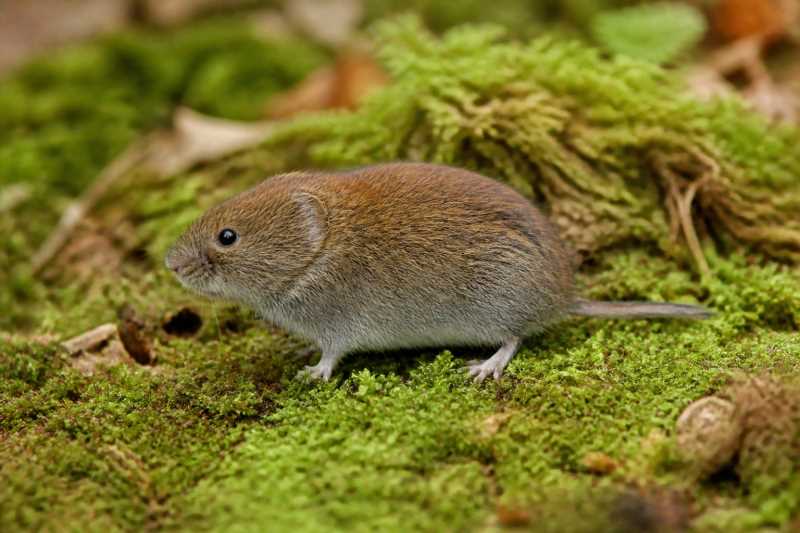
The woodland vole is a diminutive rodent, with adults typically measuring between 11 to 14 centimeters in length, including their tails which account for about 2 to 3 centimeters. They weigh approximately 20 to 35 grams. Their fur is soft and dense, displaying a rich reddish-brown color that aids in camouflage within their woodland habitats. The underbelly is usually a lighter shade, often grayish or whitish. Woodland voles have small, inconspicuous ears, short limbs, and a robust body that supports their burrowing lifestyle. Their eyes are small, reflecting their adaptation to a life primarily spent underground.
Range and Habitat
The woodland vole is predominantly found in the eastern United States, ranging from southern Ontario and Quebec in Canada down to eastern Texas and northern Florida. They favor deciduous and mixed forests, thriving in environments with loose, well-drained soils that facilitate their burrowing habits. These voles are also found in grasslands, orchards, and gardens where ground cover provides ample protection from predators. Their habitat selection is heavily influenced by the availability of food sources and the structure of the ground cover, which offers protection and nesting sites.
Behavior and Diet
Woodland voles are primarily fossorial, spending much of their lives in elaborate underground burrow systems that they construct. These burrows not only provide protection from predators but also play a vital role in their social structure and breeding. Woodland voles are known for their communal nesting habits, often sharing burrows with related individuals.
Their diet primarily consists of roots, tubers, seeds, and bark, reflecting their herbivorous nature. They are particularly fond of the roots of grasses and other plants, which they access through their extensive burrowing. During the colder months, when food is scarce, woodland voles may also consume stored plant material.
Identification Tips (Field Recognition Cues)
Identifying woodland voles in the field can be challenging due to their secretive nature and subterranean lifestyle. However, there are several cues that can aid in their recognition:
- Burrow Entrances: Look for small, round entrances to burrows, often concealed by leaf litter or grass.
- Runways: Woodland voles create surface runways through vegetation, which may be visible during field surveys.
- Droppings: Their droppings are small and pellet-like, often found near feeding sites or burrow entrances.
- Tracks: In soft soil or snow, their tracks can reveal their presence, characterized by small, paired footprints.
Conservation Status (with Threats and Protections)
The woodland vole is currently classified as Least Concern by the International Union for Conservation of Nature (IUCN). However, like many small mammals, they face several threats that could impact local populations.
Threats
- Habitat Destruction: Deforestation and land development reduce available habitats, impacting their survival.
- Pesticides and Rodenticides: Use of chemicals in agriculture and pest control can harm voles directly or reduce their food sources.
- Climate Change: Alterations in climate can affect the availability of resources and the structure of their habitats.
Protections
Conservation efforts aimed at preserving natural habitats benefit woodland voles indirectly. Sustainable forestry practices and the establishment of protected areas help maintain the ecosystems they rely on. Public education on the ecological importance of voles can also foster conservation initiatives.
Frequently Asked Questions
What do woodland voles eat?
Woodland voles primarily feed on roots, tubers, seeds, and bark. They prefer the roots of grasses and other vegetation, which they access through their extensive burrowing activities.
How do you identify a woodland vole?
Woodland voles can be identified by their small size, reddish-brown fur, and short tails. Signs of their presence include burrow entrances, surface runways, and small, pellet-like droppings.
Are woodland voles endangered?
Currently, woodland voles are not considered endangered. They are classified as Least Concern by the IUCN, though they face threats from habitat destruction and chemical use in agriculture.
Where are woodland voles found?
Woodland voles are found in the eastern United States, from southern Canada to northern Florida and eastern Texas. They inhabit deciduous and mixed forests, as well as grasslands and gardens.
How do woodland voles contribute to their ecosystem?
Woodland voles contribute to soil aeration and seed dispersion through their burrowing activities. They play a crucial role in maintaining the health of their habitats by facilitating nutrient cycling.
Related posts