Sulawesi Forest Rat (Taeromys punicans): A Comprehensive Guide
Introduction
The Sulawesi Forest Rat, scientifically known as Taeromys punicans, is a fascinating mammal species native to the mountainous forests of Sulawesi, Indonesia. This elusive rodent has garnered interest from biologists and conservationists alike due to its unique adaptations and critical role in the ecosystem. This article delves into the physical characteristics, habitat, behavior, and conservation status of the Sulawesi Forest Rat, providing a comprehensive guide for researchers, wildlife enthusiasts, and conservationists.
Physical Description
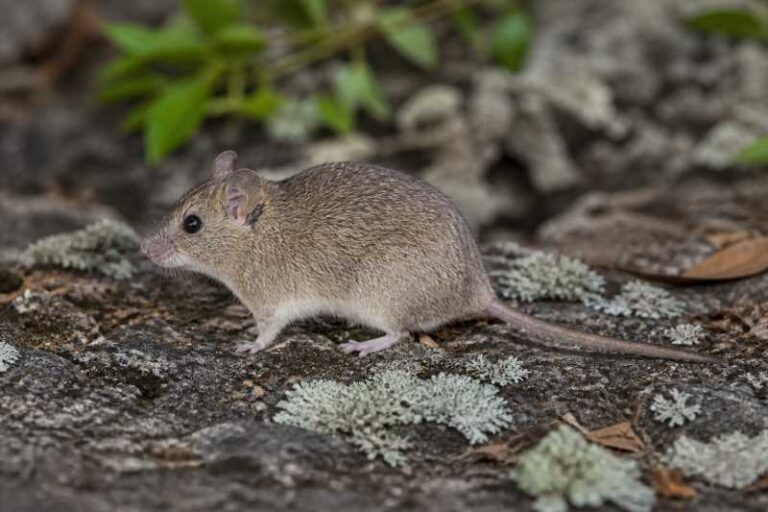
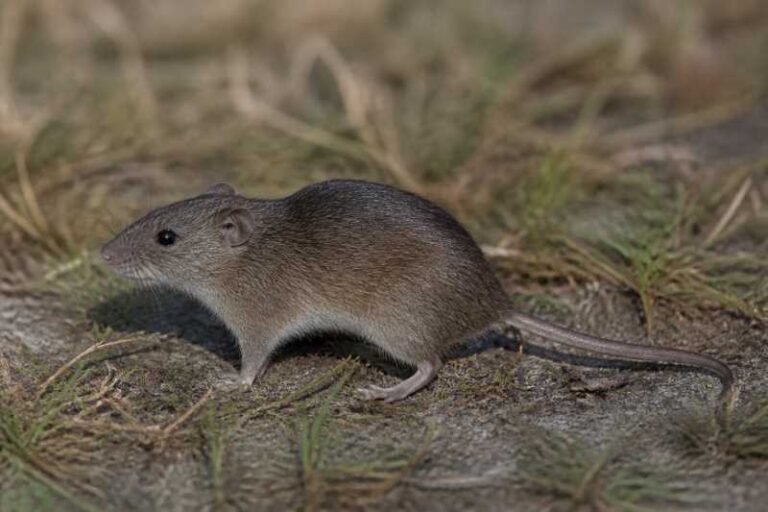
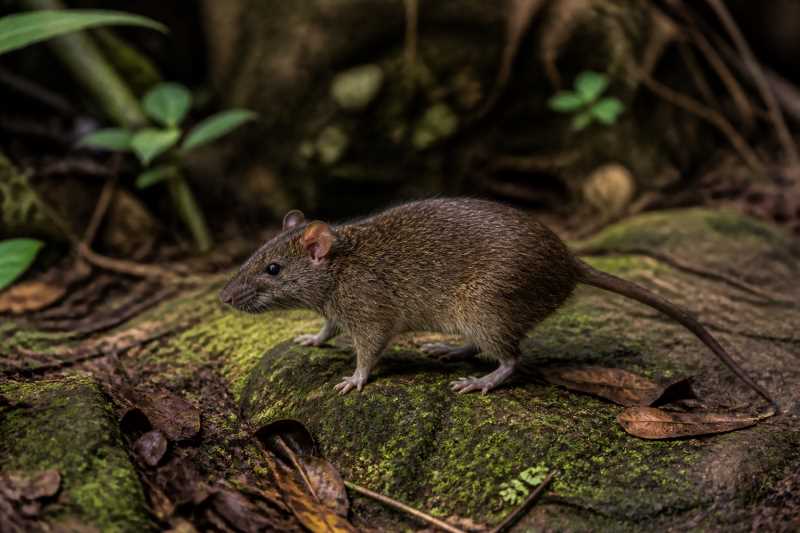
Taeromys punicans exhibits several distinctive physical traits that aid its survival in the dense forests of Sulawesi. Typically, these rats have a robust build, with a body length ranging from 18 to 25 centimeters, excluding the tail, which can add another 20 to 30 centimeters. Their fur is generally soft and dense, providing insulation against the cool, moist climate of their habitat. The coloration of their fur varies from a dark brown to a greyish hue, often with a paler underbelly.
The species is characterized by a pointed snout and large, prominent ears, which are adaptations for detecting predators and navigating through the underbrush. The eyes of the Sulawesi Forest Rat are relatively large, indicating their reliance on acute vision. Their powerful hind limbs are adapted for climbing and leaping, essential skills for evading predators and foraging for food.
Range and Habitat
The Sulawesi Forest Rat is endemic to the island of Sulawesi, Indonesia, where it inhabits mid to high-altitude montane forests. These forests are often characterized by steep, rugged terrain and dense vegetation, offering both challenges and opportunities for the species. The rats are predominantly found in primary forests, although they can sometimes be observed in secondary forests that offer similar structural complexity.
Their range is primarily concentrated in the central and northern regions of Sulawesi, where the forest canopy provides ample cover and a rich supply of food resources. The presence of streams and other water bodies in these areas is crucial, as it facilitates the availability of drinking water and supports a diverse array of plant and insect life, which forms the basis of the rat’s diet.
Behavior and Diet
The Sulawesi Forest Rat is primarily nocturnal, using the cover of darkness to forage and avoid predators. Their diet is omnivorous, comprising a variety of fruits, seeds, insects, and occasionally small vertebrates. This dietary flexibility is one of the factors that have enabled the species to thrive in the variable environments of Sulawesi’s forests.
Socially, Taeromys punicans tends to be solitary, with individuals maintaining distinct territories. Communication with conspecifics is achieved through vocalizations and scent markings, which help in delineating territory boundaries and signaling reproductive status. Breeding is thought to occur year-round, although peaks in reproductive activity may coincide with periods of increased food availability.
Identification Tips (Field Recognition Cues)
Identifying the Sulawesi Forest Rat in the field can be challenging due to its elusive nature and nocturnal habits. However, there are several key characteristics to look for:
- Size and Build: Look for a medium-sized rat with a robust body and long tail.
- Fur Coloration: Note the dark brown to greyish fur, with a paler underbelly.
- Ears and Snout: Large ears and a pointed snout are distinctive features.
- Behavior: Observe nocturnal activity and solitary behavior patterns.
Field researchers often rely on a combination of these visual cues and habitat context, such as the presence of dense forest canopy and proximity to water sources, to confirm sightings.
Conservation Status (with Threats and Protections)
The Sulawesi Forest Rat is classified as Least Concern by the International Union for Conservation of Nature (IUCN), but it faces several threats that could impact its population stability in the future. The primary threats include habitat loss due to deforestation for agriculture and urban development, as well as climate change, which can alter the delicate balance of their montane forest ecosystems.
Conservation efforts in Sulawesi focus on preserving primary forest habitats and promoting sustainable land-use practices. Protected areas have been established in parts of the rat’s range, providing critical refuges where the species can thrive without the pressures of human encroachment. Research and monitoring are essential components of conservation strategies, helping to track population trends and adapt management practices accordingly.
Frequently Asked Questions
1. What is the natural habitat of the Sulawesi Forest Rat?
The Sulawesi Forest Rat is native to the montane forests of Sulawesi, Indonesia. These rats thrive in primary and secondary forests characterized by dense vegetation, steep terrain, and the presence of water bodies.
2. How does the Sulawesi Forest Rat contribute to its ecosystem?
As an omnivore, the Sulawesi Forest Rat plays a vital role in seed dispersal and pest control. By consuming a variety of fruits and insects, they help maintain the ecological balance of their forest habitats.
3. What are the main threats to the Sulawesi Forest Rat?
The primary threats include habitat loss due to deforestation and agricultural expansion, as well as climate change. Conservation efforts focus on habitat preservation and sustainable land management.
4. How can researchers identify the Sulawesi Forest Rat in the wild?
Researchers look for key characteristics such as size, fur coloration, large ears, and nocturnal behavior. Contextual clues like habitat type and proximity to water sources also aid identification.
5. Are there any conservation programs for the Sulawesi Forest Rat?
Yes, conservation programs focus on protecting forest habitats and promoting sustainable practices. Research and monitoring help inform these efforts to ensure the species’ long-term survival.
Related posts