Tawny Brush Mouse (Coccymys kirrhos): A Comprehensive Guide
Introduction
The Tawny Brush Mouse, scientifically known as Coccymys kirrhos, is a small rodent that has piqued the interest of mammalogists and wildlife enthusiasts alike. This elusive species is part of the Muridae family and is endemic to the mountainous regions of New Guinea. Known for its distinct tawny coloration and unique ecological niche, the Tawny Brush Mouse plays a significant role in the biodiversity of its native habitat. This article delves into the various aspects of Coccymys kirrhos, including its physical characteristics, habitat, behavior, and conservation status, providing a detailed insight into this fascinating mammal.
Physical Description
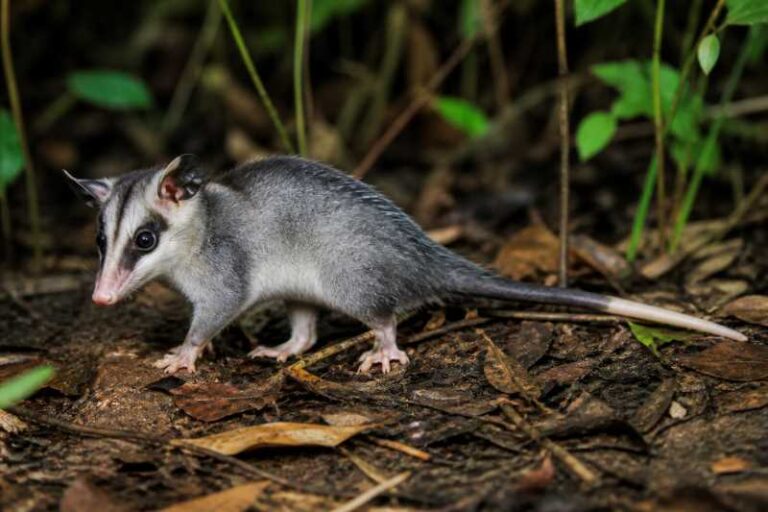
The Tawny Brush Mouse is a small, agile rodent characterized by its distinctive tawny or reddish-brown fur, which provides excellent camouflage against the forest floor. The fur is soft and dense, with a lighter underbelly that ranges from off-white to light gray. Adult mice typically measure between 10 to 15 centimeters in head-to-body length, with a tail that can be as long or longer than the body, aiding in balance and agility.
The face of the Tawny Brush Mouse is adorned with prominent whiskers and large, black eyes that are well-adapted for nocturnal activity. Its ears are proportionally large, aiding in acute hearing which is essential for detecting predators and prey in the dense underbrush. The feet of the Tawny Brush Mouse are equipped with sharp claws that facilitate climbing and foraging.
Range and Habitat
Coccymys kirrhos is predominantly found in the high-altitude regions of New Guinea, particularly within montane forests. These habitats are characterized by cool temperatures, high humidity, and dense vegetation, providing ample cover and food resources. The Tawny Brush Mouse is most commonly observed at elevations ranging from 1,200 to 3,000 meters above sea level.
The species thrives in primary forests, where the canopy cover is dense, and the underbrush is rich with leaf litter and fallen logs. These environments offer the Tawny Brush Mouse both shelter and a diverse array of food options. However, the species has also been observed in secondary forests and even in areas of human disturbance, demonstrating a degree of adaptability.
Behavior and Diet
The Tawny Brush Mouse is primarily nocturnal, emerging after dusk to forage and engage in social activities. This nocturnal lifestyle helps it avoid many diurnal predators. The species is solitary by nature, although individuals may be seen in proximity to one another in areas with abundant food resources.
The diet of the Tawny Brush Mouse is omnivorous, consisting of seeds, fruits, insects, and small invertebrates. This varied diet allows the species to adapt to seasonal changes in food availability. Foraging typically occurs on the ground, although the mice are adept climbers and may ascend shrubs and low trees to access food.
Identification Tips
Identifying the Tawny Brush Mouse in the field requires careful observation of several key features:
- Coloration: Look for the characteristic tawny or reddish-brown fur, which contrasts with the paler underbelly.
- Size and Shape: Note the small size, with a body length of 10 to 15 centimeters and a similarly long tail.
- Behavior: Observe the nocturnal habits and solitary behavior, as well as their agile movements through dense vegetation.
- Habitat: Focus searches in montane forest environments, particularly in areas with dense underbrush and leaf litter.
Conservation Status
The Tawny Brush Mouse is currently classified as "Least Concern" by the International Union for Conservation of Nature (IUCN). However, this status does not imply that the species is free from threats. Habitat destruction due to logging, agriculture, and human settlement poses significant risks to the population. Climate change also presents potential challenges, as alterations in temperature and precipitation patterns could impact the availability of suitable habitats.
Conservation efforts for the Tawny Brush Mouse focus on preserving its natural habitat. Protected areas in New Guinea play a crucial role in safeguarding the montane forests that are vital to the species’ survival. Additionally, research initiatives aimed at understanding the ecology and behavior of Coccymys kirrhos contribute to informed conservation strategies.
Frequently Asked Questions
What is the primary diet of the Tawny Brush Mouse?
The primary diet of the Tawny Brush Mouse consists of seeds, fruits, insects, and small invertebrates. This omnivorous diet allows it to adapt to seasonal changes in food availability.
Where can the Tawny Brush Mouse be found?
The Tawny Brush Mouse is found in the montane forests of New Guinea, at elevations ranging from 1,200 to 3,000 meters above sea level.
How does the Tawny Brush Mouse avoid predators?
The Tawny Brush Mouse avoids predators primarily through its nocturnal lifestyle, which reduces exposure to diurnal predators. Its tawny coloration also provides effective camouflage against the forest floor.
What are the main threats to the Tawny Brush Mouse?
The main threats to the Tawny Brush Mouse include habitat destruction due to logging, agriculture, and human settlement, as well as climate change which could impact its habitat suitability.
How can you identify a Tawny Brush Mouse in the wild?
To identify a Tawny Brush Mouse in the wild, look for its tawny or reddish-brown fur, small size, long tail, and nocturnal behavior in montane forest environments.
Related posts