Western Rainforest Thicket Rat (Thamnomys poensis): A Detailed Overview
Introduction
The Western Rainforest Thicket Rat, scientifically known as Thamnomys poensis, is a small rodent species found primarily in the lush, dense forests of Central and West Africa. This lesser-known mammal plays a crucial role in its ecosystem, contributing to seed dispersion and serving as prey for various predators. Despite its ecological significance, the Western Rainforest Thicket Rat remains under-researched, with many aspects of its biology and ecology yet to be fully understood. This article delves into the physical characteristics, habitat, behavior, and conservation status of this intriguing species, providing a comprehensive resource for researchers, wildlife enthusiasts, and conservationists alike.
Physical Description
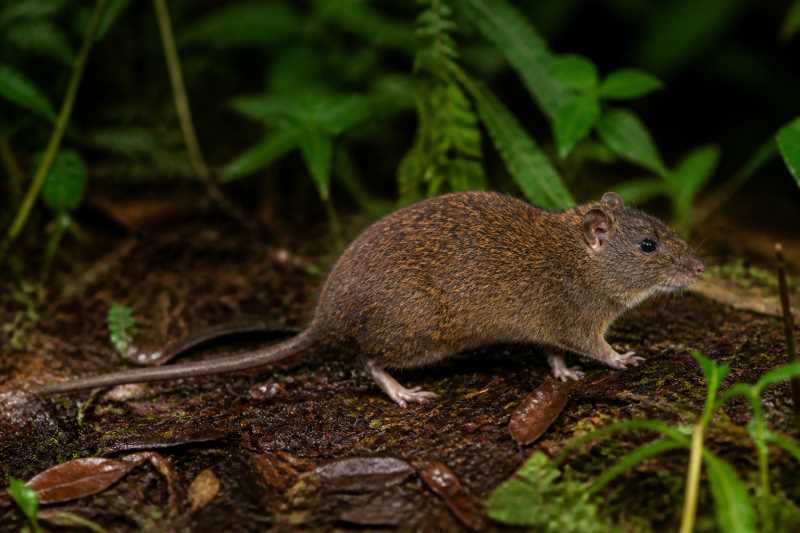
The Western Rainforest Thicket Rat is a small to medium-sized rodent, characterized by its sleek body and distinctive fur. Adults typically measure between 12 to 18 centimeters in body length, with a tail that can be as long or slightly longer than the body itself, contributing to its agility and balance in the arboreal environments it inhabits.
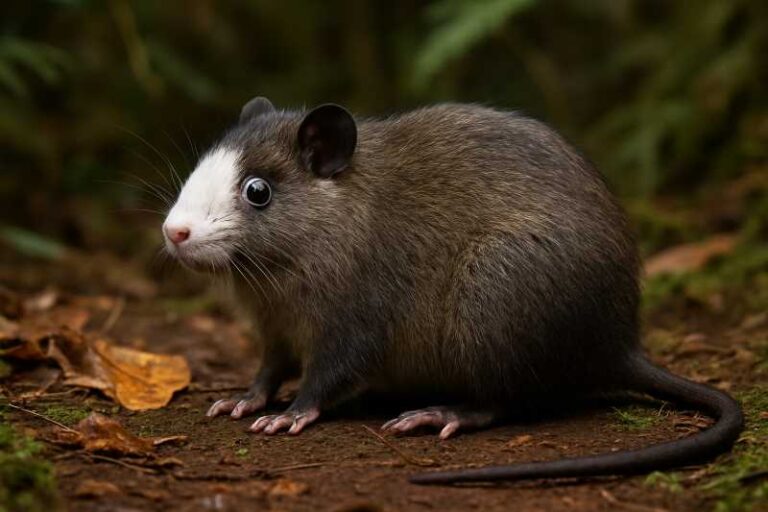
The fur of the Thamnomys poensis is a significant identifying feature, showcasing a soft and dense texture. The dorsal side is usually a rich, dark brown, providing effective camouflage against the forest floor and tree trunks. The ventral side, in contrast, is often lighter, ranging from a pale gray to off-white, which may aid in thermal regulation and predator evasion.
Their eyes are relatively large, adapted for enhanced vision in low-light conditions typical of forest understories. The ears are prominent and rounded, aiding in acute hearing necessary for detecting predators and communicating with conspecifics. The whiskers are long and sensitive, serving as tactile sensors that help navigate through dense vegetation.
Range and Habitat
Thamnomys poensis is endemic to the rainforests of Central and West Africa, with its range extending from Nigeria to the Democratic Republic of the Congo. These regions are characterized by high annual rainfall, dense canopy cover, and rich biodiversity, providing an ideal habitat for the species.
The species thrives in lowland tropical forests, where it occupies a variety of microhabitats. It is commonly found in primary forests with substantial undergrowth, as well as secondary forests that have undergone some degree of human disturbance. The Western Rainforest Thicket Rat is known to inhabit areas close to rivers and streams, which supply essential water resources and support a diverse array of plant life that constitutes its diet.
Behavior and Diet
The Western Rainforest Thicket Rat is predominantly nocturnal, with peak activity occurring during the twilight hours. This nocturnal lifestyle reduces competition for food and minimizes exposure to diurnal predators. The rat is primarily arboreal, spending much of its time climbing trees and moving through the forest canopy, although it is also known to forage on the ground.
Dietarily, Thamnomys poensis is omnivorous, with a feeding strategy that includes a wide variety of plant and animal matter. Its diet comprises seeds, fruits, leaves, and small invertebrates, which it finds in abundance in its rainforest habitat. The rat plays a crucial role in seed dispersion, contributing to the health and regeneration of the forest ecosystem.
Socially, the Western Rainforest Thicket Rat is relatively solitary, with individuals maintaining distinct territories. However, they may form loose associations during the breeding season or when food resources are particularly abundant.
Identification Tips (Field Recognition Cues)
Identifying the Western Rainforest Thicket Rat in the field involves a combination of visual and auditory cues:
- Fur Coloration: Look for the characteristic dark brown dorsal fur and lighter ventral side, which can help distinguish it from other sympatric rodent species.
- Size and Shape: Note the size, approximately 12 to 18 centimeters in body length, with a long, agile tail. The body is slender and adapted for climbing.
- Habitat: Spot these rats in dense forest undergrowth or among the trees, especially near water sources.
- Behavior: Observe their nocturnal activity patterns, with most movement occurring at dawn and dusk.
- Sounds: Listen for their soft vocalizations and rustling in the leaves, which can indicate their presence.
Conservation Status (With Threats and Protections)
The conservation status of the Western Rainforest Thicket Rat has not been extensively studied, but habitat loss poses a significant threat to its populations. Deforestation for agriculture, logging, and human settlement is rapidly reducing the available habitat, leading to population fragmentation and potential declines.
Currently, the species is not listed on the IUCN Red List, primarily due to insufficient data. However, given the ongoing threats to its habitat, it is likely that the species could be at risk if current trends continue.
Conservation efforts should focus on habitat preservation and restoration. Establishing protected areas within its range and promoting sustainable land-use practices are crucial steps in ensuring the long-term survival of the Western Rainforest Thicket Rat.
Frequently Asked Questions
What is the primary habitat of the Western Rainforest Thicket Rat?
The Western Rainforest Thicket Rat primarily inhabits the dense tropical rainforests of Central and West Africa. It thrives in both primary and secondary forests, often near water sources like rivers and streams.
How does the Western Rainforest Thicket Rat contribute to its ecosystem?
This species plays a vital role in its ecosystem through seed dispersion, aiding in forest regeneration. Its omnivorous diet also helps control insect populations.
What are the primary threats to the Western Rainforest Thicket Rat?
The primary threats to this species include habitat loss due to deforestation for agriculture, logging, and human settlement, leading to habitat fragmentation and population decline.
Is the Western Rainforest Thicket Rat nocturnal?
Yes, the Western Rainforest Thicket Rat is predominantly nocturnal, with activity peaking during twilight hours to avoid daytime predators and reduce competition for food.
Are there conservation efforts in place for the Western Rainforest Thicket Rat?
While specific conservation efforts are limited due to lack of data, general forest conservation initiatives and protected areas within its range can benefit this species indirectly.
Related posts