Introduction
Peale’s Dolphin, scientifically known as Cephalorhynchus australis, is a captivating marine mammal that enchants marine enthusiasts and researchers alike. Belonging to the genus Cephalorhynchus, Peale’s Dolphin is one of the lesser-known but fascinating species of dolphins found in the southern hemisphere. These dolphins are named after the American naturalist Titian Peale, who was noted for his numerous contributions to natural science.
As a part of the cetacean family, Peale’s Dolphins are closely related to other small dolphins but exhibit unique characteristics that make them distinguishable. Known for their playful nature and acrobatics, these dolphins are often observed in the coastal waters of South America. This article delves into the physical description, habitat, behavior, and conservation status of Peale’s Dolphin, providing a comprehensive overview of the species.
Physical Description
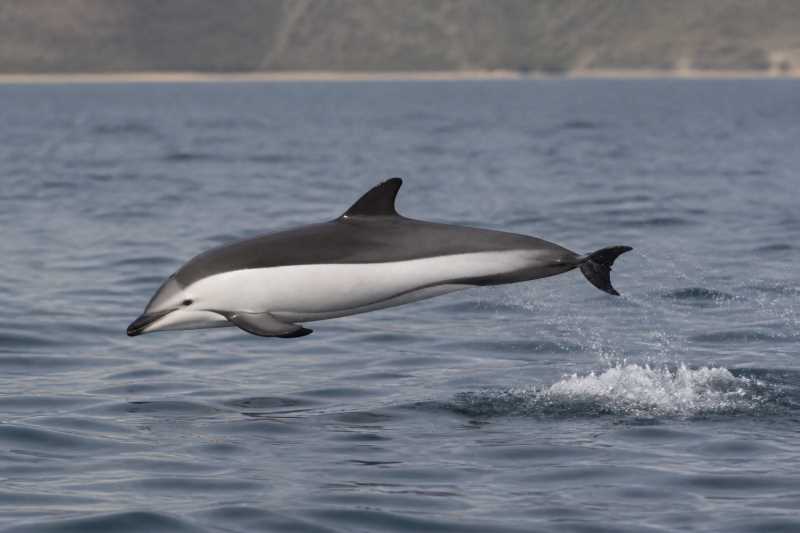
Peale’s Dolphin is a small, robust dolphin that is notable for its distinctive color patterns and size. Adult dolphins typically measure between 1.8 and 2.1 meters in length, with a weight ranging from 90 to 115 kilograms. These dolphins exhibit a striking color pattern that includes a dark grey or black dorsal area, light grey flanks, and a white underside. The transition between these colors is marked by a bold, dark line running from the face to the tail.
Their dorsal fin is moderately curved, and the flippers are small and rounded, aiding in their agility and swift movements in water. Another distinctive feature of Peale’s Dolphins is their rounded forehead and lack of a pronounced beak, setting them apart from other dolphin species.
Range and Habitat
Peale’s Dolphins are primarily found along the coasts of southern South America, including the coastal waters of Argentina, Chile, and the Falkland Islands. They prefer cold, inshore waters and are commonly seen in areas with kelp beds and complex coastlines.
These dolphins are adapted to a variety of marine environments, ranging from shallow bays and estuaries to the open ocean. They are often found in regions where cold currents intersect with coastal waters, which are rich in nutrients and support a diverse array of marine life. This abundance of prey makes these areas ideal habitats for Peale’s Dolphins.
Behavior and Diet
Peale’s Dolphins are known for their social and playful behavior. They are often observed in small groups, typically ranging from two to twenty individuals, although larger aggregations have been reported. These dolphins are highly active and are known for their acrobatic displays, including breaching, bow-riding, and leaping.
Their diet consists primarily of fish, squid, and crustaceans. Peale’s Dolphins are opportunistic feeders and are known to employ various hunting strategies to capture their prey. They are often seen foraging near kelp beds, which provide shelter for many of their prey species.
Identification Tips (Field Recognition Cues)
Recognizing Peale’s Dolphin in the field can be facilitated by several key identification markers:
- Color Pattern: Look for the unique color pattern, which includes a dark upper body, light grey flanks, and a white belly.
- Size and Shape: Note their small, robust body with a rounded forehead and lack of a beak.
- Behavior: Observe their active, social behavior, often seen riding waves and performing acrobatics.
- Habitat: They are typically found in cold, coastal waters near kelp beds and rocky coastlines.
Conservation Status (With Threats and Protections)
Peale’s Dolphin is currently listed as ‘Data Deficient’ by the International Union for Conservation of Nature (IUCN). This classification indicates that there is insufficient information available to make a precise assessment of their conservation status.
Despite this status, Peale’s Dolphins face several threats, primarily from human activities. These include bycatch in fishing gear, habitat degradation, and pollution. The expansion of fisheries poses a significant threat, as dolphins can become entangled in nets and lines, leading to injury or death. In addition, pollution from agricultural runoff and industrial waste affects the quality of their habitat.
Efforts to protect Peale’s Dolphin include establishing marine protected areas and promoting sustainable fishing practices. Continued research and monitoring are crucial to understanding the population dynamics and threats to this species, which will aid in developing effective conservation strategies.
Frequently Asked Questions
What makes Peale’s Dolphin unique?
Peale’s Dolphin is unique due to its distinctive coloration, robust body shape, and playful nature. Unlike many other dolphins, they lack a pronounced beak, and their striking color pattern of dark grey and white makes them easily recognizable in their natural habitat.
Where are Peale’s Dolphins typically found?
They are commonly found around the coasts of southern South America, particularly in the waters off Argentina, Chile, and the Falkland Islands. They favor cold, nutrient-rich waters that support a diverse marine ecosystem.
What threats do Peale’s Dolphins face?
The main threats include bycatch in fishing operations, habitat degradation, and pollution from human activities. These threats are exacerbated by the lack of comprehensive data on their population and distribution, which hampers effective conservation efforts.
How can we help protect Peale’s Dolphins?
Supporting marine conservation initiatives, advocating for sustainable fishing practices, and raising awareness about the threats these dolphins face can contribute to their protection. Researchers continue to study their populations to inform better conservation strategies.
Related posts