Introduction
The Pampas Myotis (Myotis pampa) is a fascinating bat species that inhabits the grasslands of South America. Part of the Vespertilionidae family, this species is one of the many bats that play critical roles in maintaining the balance of their ecosystems through insect control and pollination. As with many bat species, the Pampas Myotis has unique characteristics and behaviors that make it a subject of interest for biologists and conservationists alike.
Physical Description
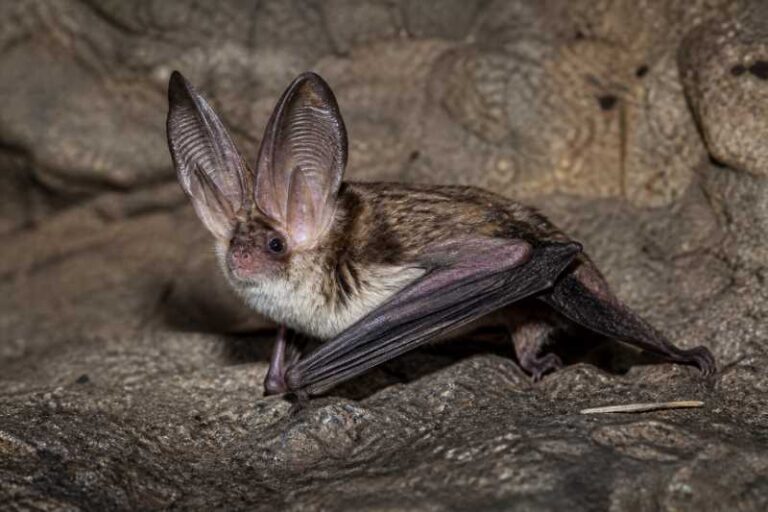
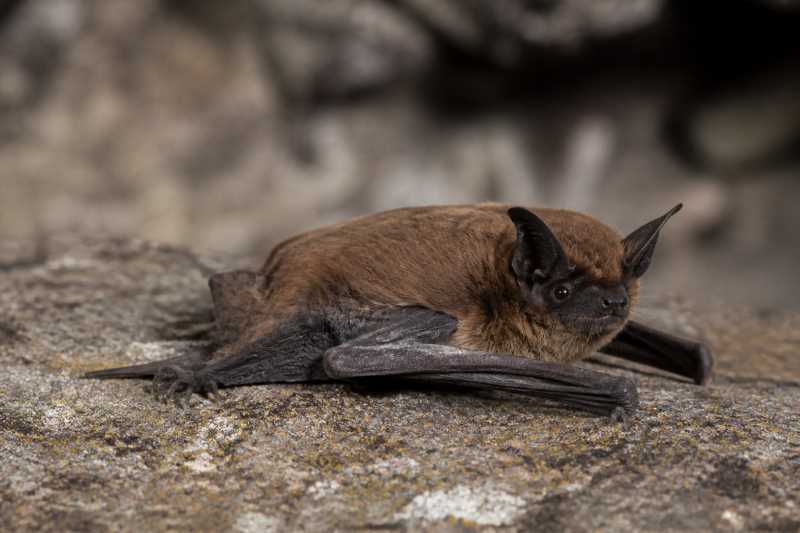
The Pampas Myotis is a small to medium-sized bat, with a wingspan ranging from 25 to 30 centimeters and a body length of about 5 to 7 centimeters. It typically weighs between 10 to 15 grams, making it relatively light and agile in flight. The fur of the Pampas Myotis is usually a mix of brown and gray tones, with a lighter underbelly. Its ears are relatively long and pointed, aiding in its echolocation abilities. The wings are narrow and adapted for maneuverable flight, allowing them to navigate through dense vegetation while hunting.
Range and Habitat
This species is primarily found in the Pampas region of South America, a vast area of fertile grassland that stretches across Argentina, Uruguay, and Brazil. The Pampas Myotis prefers habitats that offer a mix of open grasslands and wooded areas, which provide both feeding and roosting opportunities. They often roost in tree cavities, caves, and sometimes in man-made structures. These bats are highly adaptable and can thrive in various environments, from rural to suburban areas, as long as there is sufficient food and shelter.
Behavior and Diet
Pampas Myotis are nocturnal creatures, emerging at dusk to begin their nightly hunt. They are insectivorous, primarily feeding on a variety of insects such as moths, beetles, and flies. Their diet plays a crucial role in controlling insect populations, which benefits agriculture and reduces the need for chemical pesticides. The Pampas Myotis uses echolocation to navigate and locate prey, emitting high-frequency sound waves that bounce off objects and return to the bat, allowing it to detect the size, shape, and movement of objects in its environment.
Identification Tips (Field Recognition Cues)
Identifying the Pampas Myotis in the field involves a combination of observing physical characteristics and behavior. Key identification tips include:
- Size and Color: Look for a small bat with a brown and gray coat, lighter on the underside.
- Wingspan: Note the moderate wingspan of 25-30 cm, which is typical for this species.
- Ears: Long, pointed ears that aid in echolocation are characteristic of the Pampas Myotis.
- Flight Pattern: Watch for agile, erratic flight patterns typical of bats hunting insects.
Conservation Status (with Threats and Protections)
The Pampas Myotis is currently not listed as endangered, but like many bat species, it faces numerous threats that could impact its population in the future. Habitat destruction due to agricultural expansion and urbanization poses a significant risk, as it reduces available roosting and foraging areas. Pesticide use also affects their food supply by diminishing insect populations. Conservation efforts focus on habitat preservation and the promotion of sustainable agricultural practices. Protecting roosting sites and maintaining natural habitats are crucial steps in ensuring the survival of this species.
Frequently Asked Questions
What is the primary diet of the Pampas Myotis? The Pampas Myotis primarily feeds on insects, including moths, beetles, and flies, which it catches using echolocation.
Where can the Pampas Myotis be found? This species is native to the Pampas region of South America, including parts of Argentina, Uruguay, and Brazil.
How does the Pampas Myotis contribute to the ecosystem? By feeding on insects, the Pampas Myotis helps control pest populations, benefiting agriculture and reducing the need for pesticides.
What threats does the Pampas Myotis face? The primary threats include habitat destruction due to agriculture and urbanization, as well as the impact of pesticides on their food sources.
How can we help conserve the Pampas Myotis? Efforts can include protecting natural habitats, reducing pesticide use, and supporting conservation programs focused on bat species.
Related posts