Introduction
The Drylands Vesper Mouse (Calomys musculinus) is a fascinating rodent species primarily found in South America. Known for its adaptability to arid environments, this small mammal plays a crucial role in its ecosystem. Its presence is often a reliable indicator of the health of dryland habitats. The Drylands Vesper Mouse has garnered scientific interest due to its behavioral adaptations and ecological significance. In this article, we will explore various aspects of this species, including its physical characteristics, habitat preferences, behavior, diet, and conservation status.
Physical Description
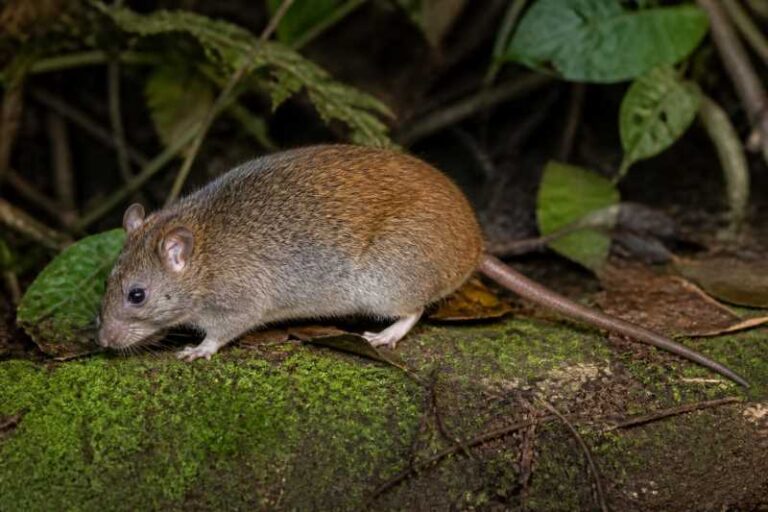
The Drylands Vesper Mouse is a small rodent, typically measuring between 8 to 12 cm in body length, with a tail that can add another 7 to 12 cm. It weighs around 20 to 30 grams, which makes it relatively lightweight. The fur of Calomys musculinus is short and dense, providing insulation against varying temperatures in its native habitats. Its dorsal fur ranges from a sandy-brown to a grayish-brown color, helping it blend seamlessly into its environment. The underparts are usually lighter, often white or cream-colored. Its prominent black eyes and large, rounded ears are notable features that enhance its sensory perception, crucial for survival in predator-rich environments.
The feet of the Drylands Vesper Mouse are adapted for climbing and running, with sharp claws that provide a strong grip. This species exhibits sexual dimorphism, with males generally being slightly larger than females. The physical adaptations of the Drylands Vesper Mouse are key to its survival, allowing it to navigate and thrive in dryland ecosystems.
Range and Habitat
Calomys musculinus is predominantly found across South America, with significant populations in Argentina, Paraguay, and Brazil. Its habitat is primarily characterized by drylands and savannas, although it is also known to inhabit grasslands and scrublands. The species is highly adaptable, often found in areas with sparse vegetation, where it can utilize natural cover to evade predators.
The Drylands Vesper Mouse is also known to inhabit agricultural areas, where it can become a pest due to its feeding habits. Its ability to survive in human-modified landscapes demonstrates its resilience and adaptability. The species prefers environments that offer a mix of open spaces for foraging and dense vegetation for cover.
Behavior and Diet
The Drylands Vesper Mouse is primarily nocturnal, spending the day in burrows or under thick vegetation to avoid predators and the harsh daytime temperatures of its habitat. At night, it becomes active, foraging for food and engaging in social interactions. This species is known for its agility and speed, which are essential for evading predators.
In terms of diet, Calomys musculinus is omnivorous. Its diet consists of seeds, fruits, insects, and small invertebrates, which it forages for during its nocturnal activities. The availability of food resources can influence its reproductive patterns, with more abundant food leading to increased breeding activity.
The Drylands Vesper Mouse has a complex social structure, often living in small colonies. Communication within these groups is facilitated through vocalizations and scent marking, which help establish territories and maintain social bonds.
Identification Tips (Field Recognition Cues)
Identifying the Drylands Vesper Mouse in the field requires attention to several key features. Observers should look for a small rodent with sandy-brown to grayish-brown fur and a lighter belly. Its large, rounded ears and prominent black eyes are distinctive. The mouse’s long tail, often equal to or longer than its body, is another notable characteristic.
When observing behavior, note its nocturnal activity and agile movements. The Drylands Vesper Mouse is often seen darting quickly across open spaces before taking cover in vegetation. Listening for its vocalizations, especially during nighttime foraging, can also aid in identification.
Conservation Status (with Threats and Protections)
The conservation status of the Drylands Vesper Mouse is currently listed as Least Concern by the International Union for Conservation of Nature (IUCN). However, the species faces several threats that could impact its populations. Habitat destruction due to agricultural expansion, urbanization, and climate change are significant concerns. Additionally, as an agricultural pest, it often falls victim to pest control measures.
Conservation efforts for Calomys musculinus include habitat protection and sustainable agricultural practices that minimize habitat destruction. Encouraging the preservation of native vegetation within agricultural landscapes can provide essential refuges for this species.
Frequently Asked Questions
1. What is the primary habitat of the Drylands Vesper Mouse?
The Drylands Vesper Mouse primarily inhabits drylands and savannas in South America, but it can also be found in grasslands and scrublands.
2. Is the Drylands Vesper Mouse a threat to agriculture?
Yes, in agricultural areas, the Drylands Vesper Mouse can become a pest, feeding on crops and stored grains, which can lead to economic losses.
3. How can the Drylands Vesper Mouse be identified in the wild?
Identifying the Drylands Vesper Mouse involves looking for a small rodent with sandy-brown to grayish-brown fur, large ears, and a long tail. It is typically active at night.
4. What are the main threats to the Drylands Vesper Mouse?
The main threats include habitat destruction due to agriculture and urbanization, climate change, and pest control measures.
5. How does the Drylands Vesper Mouse contribute to its ecosystem?
As an omnivore, the Drylands Vesper Mouse plays a role in seed dispersal and insect population control, contributing to ecological balance in its habitat.
Related posts