Western Amazonian Mouse Opossum: A Comprehensive Guide
Introduction
The Western Amazonian Mouse Opossum (Marmosa macrotarsus) is an intriguing and relatively lesser-known small marsupial with a significant role in the ecosystems of the Amazon rainforest. Belonging to the family Didelphidae, this species is a fascinating subject of study for researchers and wildlife enthusiasts alike. This article delves into the various aspects of the Western Amazonian Mouse Opossum, from its physical characteristics to its behavior, habitat, and conservation status.
Physical Description
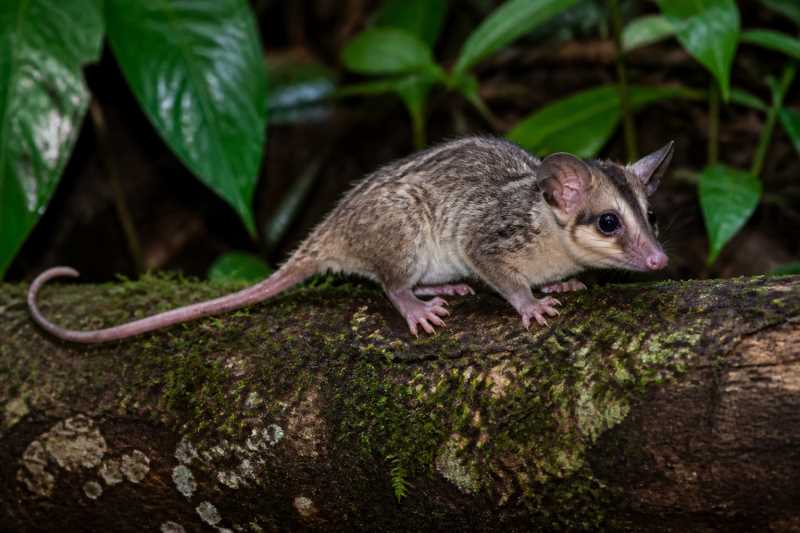
Marmosa macrotarsus is a small marsupial, typically measuring between 10 to 15 centimeters in body length, with its tail nearly equal in length to its body, making it an excellent climber. It possesses a soft, dense fur that varies from grayish-brown to reddish-brown on its dorsal side, while the ventral side is usually a lighter cream or white color. The species is characterized by its large, prominent eyes adapted for nocturnal activity, and its ears, which are relatively large compared to its head size, aid in acute hearing.
The limbs of the Western Amazonian Mouse Opossum are slender and well-suited for an arboreal lifestyle. Notably, as the species name "macrotarsus" suggests, it has elongated rear feet that enhance its climbing capabilities. Its prehensile tail provides additional balance and grip, making it adept at navigating the complex canopy of its forest habitat.
Range and Habitat
The Western Amazonian Mouse Opossum is predominantly found in the western regions of the Amazon Basin. It inhabits the lowland tropical rainforests of countries such as Peru, Ecuador, Colombia, and Brazil. These regions are rich in biodiversity, providing ample resources and shelter for the species.
Preferring dense, moist, and undisturbed forest areas, Marmosa macrotarsus is typically found at elevations ranging from sea level to approximately 1,200 meters. The species is arboreal, spending much of its life in the forest canopy. It is most active during the night, when it forages for food and avoids predators.
Behavior and Diet
As a nocturnal and primarily solitary animal, the Western Amazonian Mouse Opossum is active during the night, using its keen senses to navigate and forage. Its diet is omnivorous, consisting of fruits, insects, small vertebrates, and occasionally, nectar. This varied diet plays a critical role in seed dispersal and pest control within its ecosystem.
The species is known for its agility in the trees, using its prehensile tail and nimble limbs to move among branches. It constructs nests in tree hollows, abandoned bird nests, or dense foliage, which provide shelter and protection from predators and environmental elements.
Identification Tips (Field Recognition Cues)
Identifying the Western Amazonian Mouse Opossum in the wild can be challenging due to its nocturnal and elusive nature. However, there are several cues that can aid in recognition:
- Size and Shape: Look for a small marsupial with a body length of 10-15 cm and a tail of similar length.
- Coloration: Note the grayish-brown to reddish-brown dorsal fur and lighter ventral side.
- Ears and Eyes: Large ears and eyes are distinguishing features, adapted for nocturnal life.
- Tail: The prehensile tail is often seen wrapped around branches for balance.
- Activity: Primarily active at night, often spotted in the forest canopy.
Conservation Status (with Threats and Protections)
Currently, the Western Amazonian Mouse Opossum is classified as "Least Concern" by the International Union for Conservation of Nature (IUCN). However, like many species in the Amazon, it faces threats from habitat destruction, primarily due to deforestation and land conversion for agriculture.
Conservation efforts focus on habitat preservation, with several protected areas established within its range. Sustainable forestry practices and legal protections for rainforest areas are crucial for the continued survival of this species. Supporting conservation organizations and promoting awareness of the importance of rainforest ecosystems can further aid in protecting the Western Amazonian Mouse Opossum.
Frequently Asked Questions
What is the lifespan of the Western Amazonian Mouse Opossum?
The lifespan of Marmosa macrotarsus is not extensively documented, but similar species typically live for about 2 to 4 years in the wild, depending on environmental factors and predation.
How does the Western Amazonian Mouse Opossum contribute to its ecosystem?
This opossum plays a vital role in seed dispersal and pest control. By consuming fruits and insects, it helps maintain the balance of its ecosystem and aids in forest regeneration.
Are Western Amazonian Mouse Opossums social animals?
No, they are primarily solitary creatures, coming together mainly for mating purposes. They maintain individual territories and are most active during the night.
How can I help in the conservation of the Western Amazonian Mouse Opossum?
Supporting conservation organizations focused on Amazonian habitats, advocating for sustainable land use practices, and raising awareness about rainforest conservation can contribute to the protection of this species.
Related posts