Introduction
The West African Pygmy Mouse, scientifically known as Mus musculoides, is a captivating member of the rodent family. As its name suggests, this species is native to the West African region, where it inhabits a variety of environments, from savannas to agricultural lands. Despite its diminutive size, the West African Pygmy Mouse plays a significant role in its ecosystem, serving as both a consumer of seeds and insects, and as prey for various predators. This article delves into the fascinating characteristics and ecological significance of the West African Pygmy Mouse, exploring its physical description, habitat, behavior, diet, and conservation status.
Physical Description
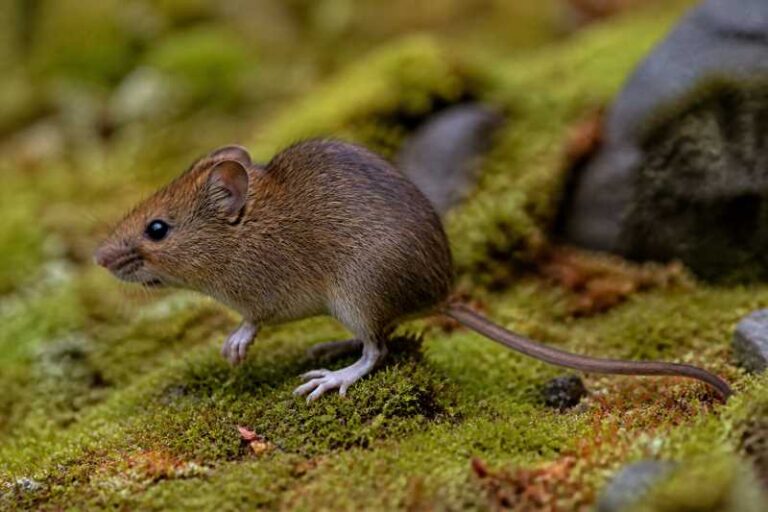
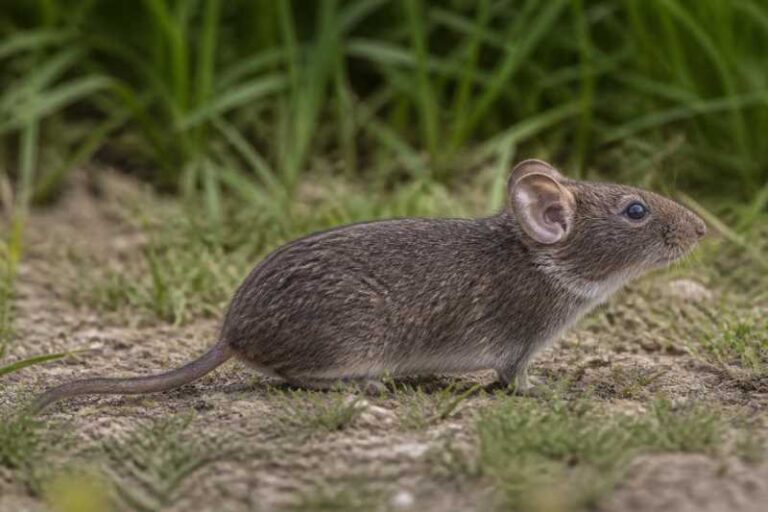
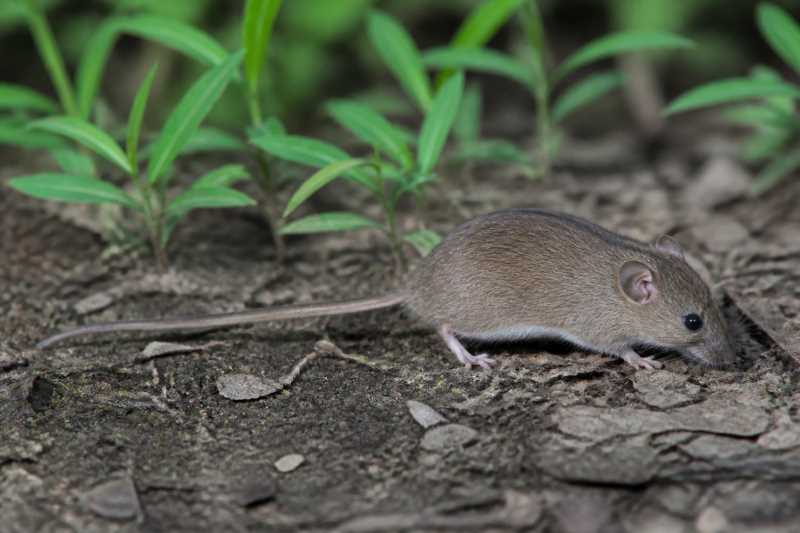
The West African Pygmy Mouse is renowned for its small stature. Adults typically weigh between 3 to 12 grams and measure approximately 3 to 6 centimeters in body length, excluding the tail, which can add an additional 2.5 to 5 centimeters. Their fur is generally a brownish-grey on the dorsal side, providing excellent camouflage in their natural habitat. The ventral side is lighter, often a white or pale grey, which aids in thermal regulation.
The ears of the West African Pygmy Mouse are relatively large compared to its head, providing acute hearing capabilities essential for detecting predators. Their eyes are also proportionally large, offering enhanced night vision, which is crucial for their nocturnal lifestyle. The tail is sparsely furred and serves as a balancing tool when the mouse is navigating through its environment.
Range and Habitat
The West African Pygmy Mouse is predominantly found across the western regions of Africa, including countries such as Senegal, Guinea, Ghana, Nigeria, and Cameroon. They thrive in a variety of habitats, ranging from open savannas and grasslands to the edges of forests and human-altered landscapes like farmland.
Adaptability is a key feature of this species. They are known to occupy burrows abandoned by other animals, and in some cases, they dig their own. These mice prefer areas where they can easily find food and shelter, such as fields with plenty of seeds and insects. Their presence in agricultural areas often leads to them being considered pests, though they play a vital role in controlling insect populations.
Behavior and Diet
West African Pygmy Mice are primarily nocturnal creatures, with most of their activity occurring during the night to avoid the heat of the day and predation. Their social structure is somewhat flexible; while they can be solitary, they are often found in small groups or familial units.
The diet of the West African Pygmy Mouse is omnivorous, consisting mainly of seeds, grains, small insects, and occasionally fruits. This varied diet allows them to adapt to different environmental conditions and changes in food availability. Their foraging behavior is opportunistic, and they are known to cache food to store for times when resources are scarce.
Identification Tips (Field Recognition Cues)
Identifying the West African Pygmy Mouse in the field requires careful observation due to its small size and the subtlety of its distinguishing features. Here are some tips to help in recognizing this species:
- Size and Shape: Look for a very small rodent, with a body length of up to 6 centimeters and a proportionally long tail.
- Coloration: Note the brownish-grey upper body and lighter underparts. This coloration helps them blend into their surroundings.
- Ear and Eye Size: Observe the large ears and eyes relative to the head, which are distinguishing features of this species.
- Behavior: Look for nocturnal activity and listen for soft rustling sounds in grassy areas or fields during the night.
Conservation Status (with Threats and Protections)
The West African Pygmy Mouse is currently classified as Least Concern by the International Union for Conservation of Nature (IUCN). This status is due to their wide distribution and large population numbers. However, they still face several threats that could impact their populations in the future.
Threats
- Habitat Loss: Increasing agricultural activities and urban development are leading to the loss of natural habitats.
- Pesticides: The use of chemical pesticides in agriculture can reduce their food sources and cause direct harm.
- Predation: While natural predators are a part of their ecosystem, domestic cats and dogs pose an additional threat.
Protections
Efforts to conserve the West African Pygmy Mouse focus on sustainable agricultural practices and habitat preservation. Creating awareness about the ecological role of this species can help mitigate unnecessary extermination efforts by farmers.
Frequently Asked Questions
What is the typical lifespan of a West African Pygmy Mouse?
The average lifespan of a West African Pygmy Mouse in the wild is approximately 2 years, although some individuals may live longer under optimal conditions.
How do West African Pygmy Mice communicate?
West African Pygmy Mice communicate through a combination of vocalizations, scent markings, and body language. Their vocalizations are often ultrasonic and inaudible to humans.
Are West African Pygmy Mice aggressive?
Generally, these mice are not aggressive. They tend to avoid confrontation and are more likely to flee from threats. However, they may exhibit aggressive behavior if threatened or during disputes over territory or mates.
How do West African Pygmy Mice impact their ecosystem?
West African Pygmy Mice play a crucial role in seed dispersal and controlling insect populations, which helps maintain ecological balance in their habitats.
Can West African Pygmy Mice be kept as pets?
While they are not commonly kept as pets, their small size and unique behaviors make them an interesting choice for rodent enthusiasts. However, ensuring they have an environment similar to their natural habitat is crucial for their well-being.
Related posts