Introduction
The Guatemalan Vole (Microtus guatemalensis) is a lesser-known but fascinating small mammal species endemic to Central America. As a member of the Cricetidae family, this vole plays a significant role in its ecosystem, contributing to the balance of local biodiversity. Despite its importance, this species is often overlooked in wildlife studies and conservation efforts. This article aims to shed light on the Guatemalan Vole’s unique characteristics, habitat preferences, and conservation status, while providing practical identification tips for enthusiasts and researchers alike.
Physical Description
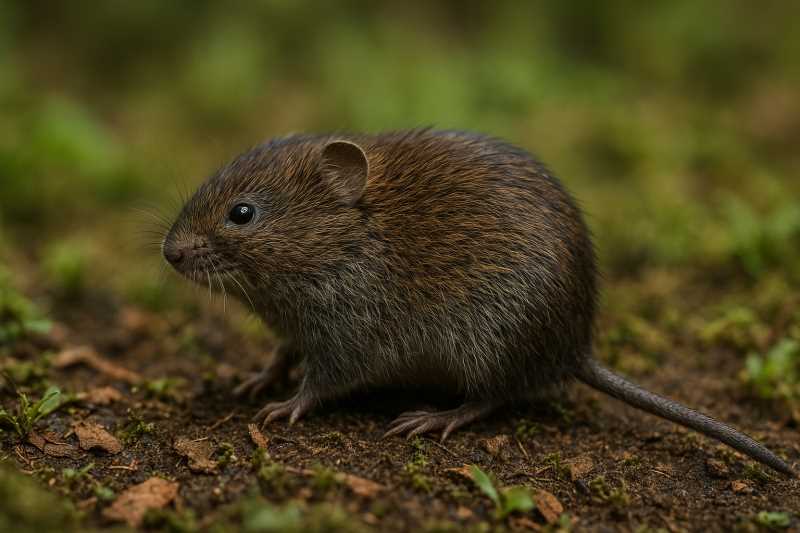
The Guatemalan Vole is a small rodent characterized by its dense, soft fur and compact body. Typically, adults measure between 14 to 18 centimeters in total length, including their short, stubby tails, which are about 3 to 5 centimeters long. The fur color ranges from dark brown to grayish on the dorsal side, providing effective camouflage in their natural habitat. Their underbelly is usually lighter, often showing a pale gray or off-white hue.
These voles have small, rounded ears and short legs, features that are typical for subterranean and burrowing mammals. Their eyes are small and beady, adapted to their life spent mostly underground or hidden in dense vegetation. The incisors of the Guatemalan Vole are sharp and ever-growing, a characteristic trait of rodents, which helps them gnaw through tough vegetation and roots.
Range and Habitat
The Guatemalan Vole is primarily found in the highland regions of Guatemala, as its name suggests. It inhabits montane forests and grasslands, thriving at altitudes ranging from 1,500 to 3,000 meters above sea level. These voles prefer moist environments, often residing near streams or in areas with abundant vegetation.
Their habitat is characterized by a mix of dense underbrush and open grassy patches, providing the voles with ample cover from predators and a rich source of food. The soil in these regions is usually loose and fertile, ideal for their burrowing lifestyle. However, habitat fragmentation due to agricultural expansion and deforestation poses significant threats to their natural environment.
Behavior and Diet
Guatemalan Voles are primarily nocturnal, although they may be active during the day in areas with little human disturbance. They are solitary creatures, with each vole maintaining a territory that they fiercely defend from intruders. Their burrows serve as both a refuge from predators and a place to store food.
Their diet consists mainly of grasses, seeds, leaves, and roots. During seasons when food is plentiful, voles will gather and store excess food within their burrows to prepare for periods of scarcity. Their foraging habits contribute to seed dispersal and the aeration of the soil, making them important ecological players in their environment.
Identification Tips (field recognition cues)
Identifying the Guatemalan Vole in the wild can be challenging due to their elusive nature and the dense habitats they occupy. However, there are several key characteristics to look for:
- Fur Color: Look for the distinct dark brown to grayish fur on the back with a paler underside.
- Size and Shape: Note the small, compact body size with a short, stubby tail.
- Burrows: Look for small, round burrow entrances in grassy or forested areas.
- Activity Signs: Freshly cut vegetation or seed husks near burrow entrances can indicate recent vole activity.
Conservation Status (with threats and protections)
The Guatemalan Vole is currently listed as Near Threatened on the IUCN Red List. The primary threats to this species include habitat loss due to deforestation for agriculture and urban expansion, as well as climate change that alters their montane habitat.
Conservation efforts are focused on habitat protection and restoration, particularly in regions where deforestation rates are highest. Establishing protected areas and promoting sustainable land-use practices are crucial steps in preserving the natural habitat of the Guatemalan Vole. Public education and involvement in conservation initiatives can also play a significant role in mitigating the threats faced by this species.
Frequently Asked Questions
1. What is the primary diet of the Guatemalan Vole?
The Guatemalan Vole primarily feeds on grasses, seeds, leaves, and roots. They also store food in their burrows for times when resources are scarce.
2. Where can the Guatemalan Vole be found?
This species is endemic to the highland regions of Guatemala, typically inhabiting montane forests and grasslands at altitudes between 1,500 and 3,000 meters.
3. How does the Guatemalan Vole contribute to its ecosystem?
The Guatemalan Vole aids in seed dispersal and soil aeration through its foraging and burrowing activities, playing a vital role in maintaining the health of its ecosystem.
4. What are the main threats to the Guatemalan Vole?
The main threats include habitat loss due to deforestation and agricultural expansion, as well as climate change affecting their montane environment.
5. How can I identify a Guatemalan Vole in the wild?
Look for their distinct dark brown to grayish fur, small size, short tail, and signs of burrowing activity in grassland or forest habitats.
Related posts