Introduction
Voss’s Bristly Mouse, scientifically known as Neacomys vossi, is a small rodent species known for its distinctive bristly fur. This species belongs to the family Cricetidae and is native to certain regions of South America. Despite its small size, the Voss’s Bristly Mouse plays a significant role in its ecosystem, contributing to seed dispersal and serving as prey for larger animals. In this comprehensive guide, we will delve into the physical characteristics, habitat, behavior, diet, and conservation status of this fascinating mammal.
Physical Description
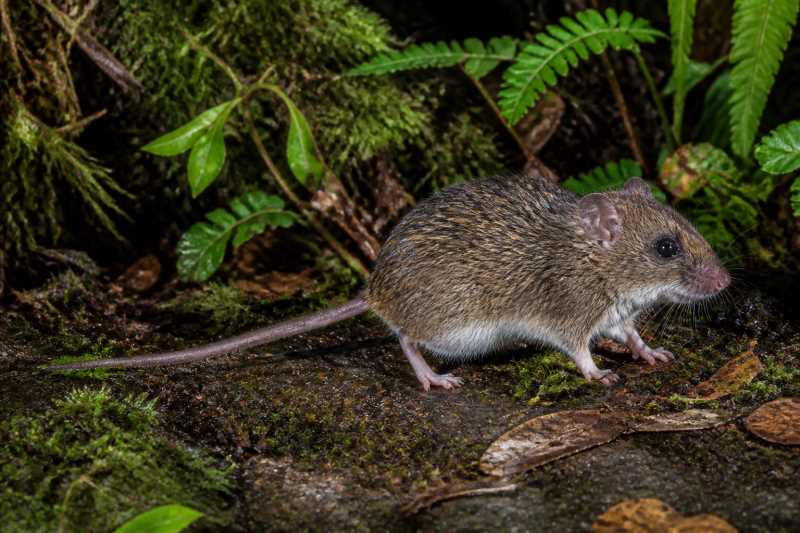
Voss’s Bristly Mouse is a diminutive rodent, typically measuring between 7 to 10 centimeters in body length with a tail that is about the same length or slightly longer. One of the most distinctive features of this species is its bristly fur, which is especially pronounced along the back. The fur coloration is generally a mix of browns and grays, providing excellent camouflage against the forest floor. The underbelly is usually a lighter hue, ranging from white to pale grey.
The ears of the Voss’s Bristly Mouse are relatively large compared to its body size, aiding in acute hearing, which is crucial for detecting predators. Its eyes are also proportionally large, suggesting a reliance on sight as much as sound. The whiskers are long and sensitive, helping the mouse navigate its environment, particularly in low-light conditions.
Range and Habitat
The Voss’s Bristly Mouse is predominantly found in the tropical rainforests of South America. Its range includes parts of Brazil, Colombia, and Peru, thriving in environments that offer dense foliage and ample ground cover. These habitats not only provide shelter but also a rich source of food and nesting materials.
The species is typically associated with lowland forests but can also be found in secondary growth areas, which are regenerating forests following disturbance. This adaptability to different forest environments highlights the mouse’s resilience, although it continues to face threats from habitat destruction.
Behavior and Diet
Voss’s Bristly Mouse is primarily nocturnal, spending its nights foraging for food and its days resting in nests constructed from leaves and twigs. Its diet is omnivorous, consisting mainly of seeds, fruits, and insects. The mouse plays a crucial ecological role as a seed disperser, aiding in the propagation of various plant species.
Socially, the Voss’s Bristly Mouse is relatively solitary, coming together primarily for breeding purposes. When threatened, it relies on its agility and speed to escape predators. Its acute senses of hearing and smell are critical for early detection of danger.
Identification Tips
Field recognition of Voss’s Bristly Mouse can be challenging due to its small size and the dense habitats it occupies. However, there are a few key identification cues to consider:
- Fur Texture: Look for the distinctive bristly texture of the fur along the back, which sets it apart from other rodent species.
- Size and Proportions: Note the small body size and the relatively long tail, which often matches or exceeds the length of the body.
- Ear and Eye Size: The large ears and eyes are indicative of this species, adapted for enhanced sensory perception.
- Coloration: The mottled brown and gray coloration provides effective camouflage but can be a useful identification marker against the forest floor.
Conservation Status
Currently, Voss’s Bristly Mouse does not have a specific conservation status assigned by the IUCN, mainly due to insufficient data on its population trends. However, like many species inhabiting tropical rainforests, it is likely affected by deforestation and habitat fragmentation. The expansion of agricultural land and logging are significant threats to its natural habitat.
Efforts to protect the ecosystems where the Voss’s Bristly Mouse resides are crucial. Conservation measures such as preserving large tracts of forest and establishing protected areas can help mitigate these threats. Additionally, further research is needed to understand the population dynamics and ecological needs of this species to inform conservation strategies effectively.
Frequently Asked Questions
1. What is the natural habitat of Voss’s Bristly Mouse? Voss’s Bristly Mouse is typically found in tropical rainforests of South America, particularly in regions of Brazil, Colombia, and Peru. It thrives in dense, lowland forests and can also adapt to secondary growth areas.
2. How can you identify a Voss’s Bristly Mouse in the wild? Identifying a Voss’s Bristly Mouse involves looking for its bristly fur, small size, long tail, and large ears and eyes. Its fur coloration, a mix of browns and grays, also serves as a distinguishing feature.
3. What does the diet of Voss’s Bristly Mouse consist of? The diet of Voss’s Bristly Mouse is omnivorous, including seeds, fruits, and insects. This varied diet helps it adapt to different environmental conditions and contributes to its role in seed dispersal.
4. Are there any conservation efforts for Voss’s Bristly Mouse? While there are no species-specific conservation efforts for Voss’s Bristly Mouse, protecting its rainforest habitat through conservation areas and sustainable land use practices is vital for its survival.
5. Why is Voss’s Bristly Mouse important to its ecosystem? Voss’s Bristly Mouse plays a significant role in its ecosystem as a seed disperser. By consuming and transporting seeds, it aids in plant propagation and contributes to the biodiversity of its habitat.
Related posts