Introduction
The Nimble-footed Rice Rat (Nephelomys levipes) is a fascinating mammal species belonging to the family Cricetidae. Known for their agility and adaptability, these small rodents play a significant role in the ecosystems they inhabit. Native to South America, they are part of the diverse genus Nephelomys, a group of rodents that have adapted to a variety of habitats across the continent.
Physical Description
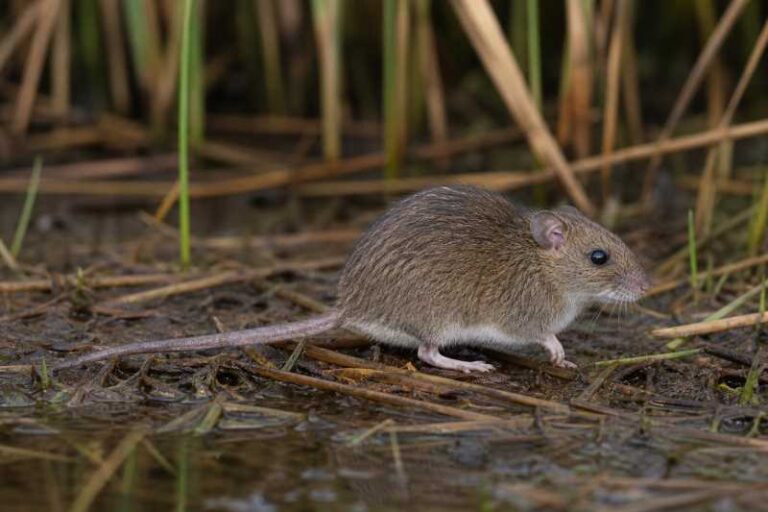
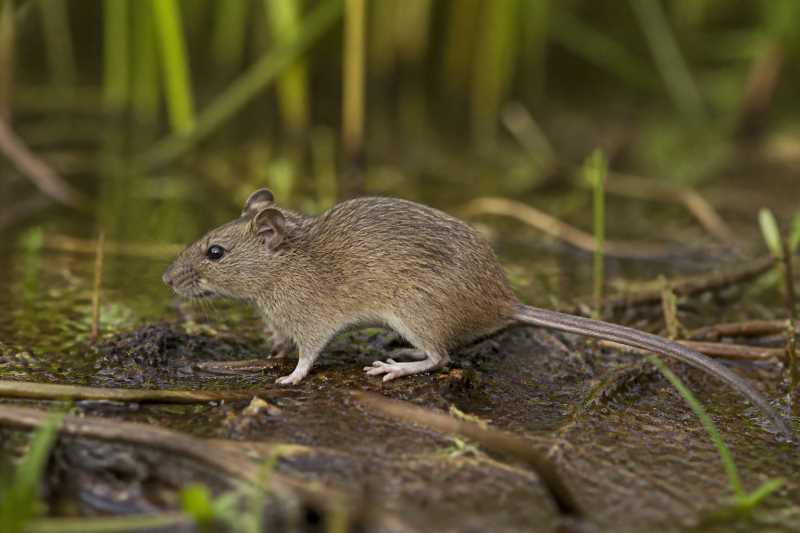
The Nimble-footed Rice Rat typically measures between 15 to 20 centimeters in body length, with a tail that adds another 15 to 18 centimeters, making it almost as long as the body. They have a soft fur coat that varies in color from reddish-brown to gray on the dorsal side, while their underbelly is usually lighter, often white or cream-colored. Their large eyes and ears are adapted for nocturnal activity, and their sharp claws and nimble feet make them excellent climbers, which is essential for their survival in diverse habitats.
Range and Habitat
Nephelomys levipes is predominantly found in the Andean regions of South America, with a range extending through countries such as Ecuador, Peru, and Bolivia. They thrive in humid montane forests but are also found in cloud forests and sometimes in lower elevation tropical rainforests. These rodents are highly adaptable, often occupying areas with dense vegetation that provides cover and abundant food sources.
Behavior and Diet
Nimble-footed Rice Rats are primarily nocturnal and solitary, although they may occasionally be seen foraging in pairs or small family groups. Their diet is omnivorous, consisting of seeds, fruits, small invertebrates, and occasionally fungi. This diverse diet allows them to exploit various food resources, which is advantageous in the fluctuating environments of the Andes.
Their behavior includes a variety of vocalizations and scent markings, which are crucial for communication, especially during the breeding season. As adept climbers, they often forage in trees and shrubs, using their tails for balance and support.
Identification Tips (field recognition cues)
Identifying the Nimble-footed Rice Rat in the wild can be challenging due to their nocturnal and elusive nature. However, several distinctive features can aid in their identification:
- Tail Length: The tail is almost as long as the body and often has a distinct bi-color pattern.
- Fur Texture and Color: Look for the reddish-brown to grayish dorsal fur with a contrasting lighter belly.
- Ear Size: Their relatively large ears are quite visible and play a role in their excellent hearing.
- Activity Patterns: Observing their nocturnal activity can also provide clues, as they are more active after dusk.
Conservation Status (with threats and protections)
Currently, the International Union for Conservation of Nature (IUCN) lists the Nimble-footed Rice Rat as a species of "Least Concern." However, like many species in the Andean region, they face threats from habitat destruction due to agriculture, logging, and urbanization. Climate change also poses a risk by altering the delicate ecosystems of the Andes.
Conservation efforts are in place in some regions, focusing on habitat protection and restoration. Protected areas and national parks within their range play a crucial role in preserving their natural habitats.
Frequently Asked Questions
1. What is the primary habitat of the Nimble-footed Rice Rat? The primary habitat of Nephelomys levipes is the humid montane forests of the Andes, but they are also found in cloud forests and occasionally in tropical rainforests.
2. How does the Nimble-footed Rice Rat communicate? These rodents use vocalizations and scent markings for communication, especially during the breeding season.
3. What are the main threats to the Nimble-footed Rice Rat? The main threats include habitat destruction due to agriculture, logging, urbanization, and the impacts of climate change.
4. How can I identify a Nimble-footed Rice Rat in the wild? Look for their bi-color tail, large ears, and reddish-brown to gray fur with a lighter belly, as well as their nocturnal activity patterns.
Related posts