Introduction
The Colombian Western Andes Cloud Forest Mouse, scientifically known as Handleyomys fuscatus, is a lesser-known member of the diverse rodent family Cricetidae. Found exclusively in the cloud forests of the Western Andes in Colombia, this species plays a crucial role in its ecosystem. Despite its inconspicuous presence, the Colombian Western Andes Cloud Forest Mouse contributes to the biodiversity of its habitat and offers insights into the ecological dynamics of cloud forests.
Physical Description
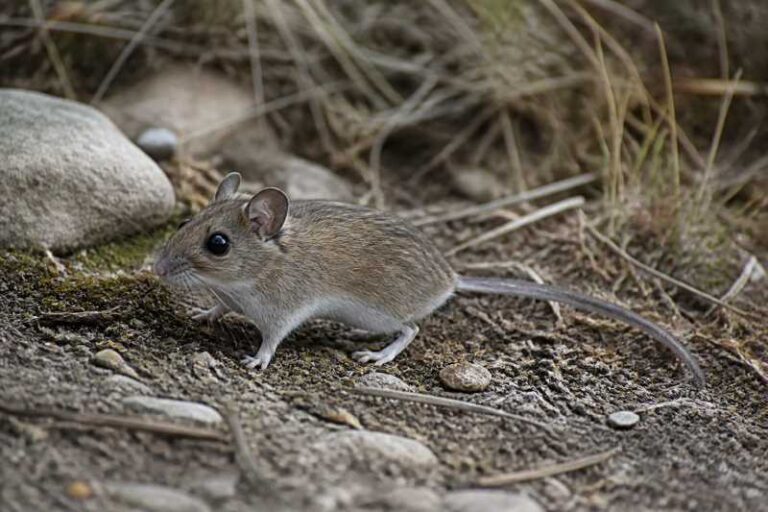
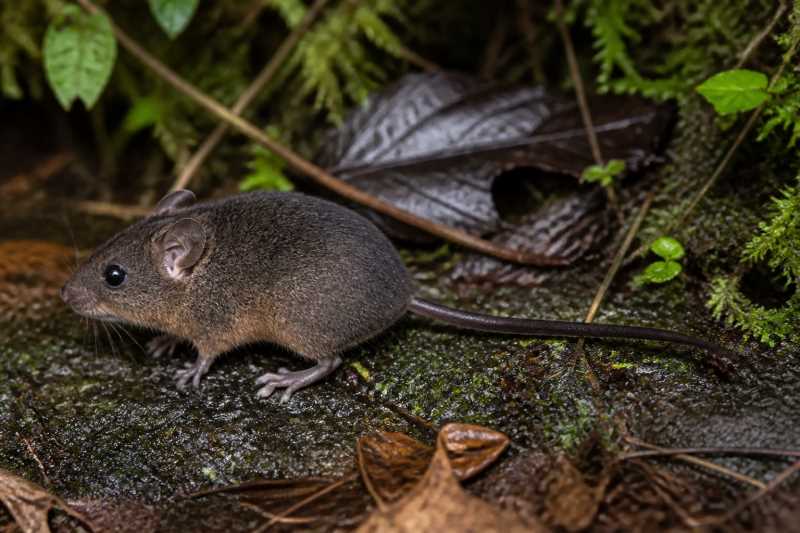
The Colombian Western Andes Cloud Forest Mouse is a small rodent characterized by a compact body and dense fur, which is typically a mix of gray and brown hues, providing excellent camouflage against the forest floor. Adults weigh approximately 30 to 50 grams and measure between 10 to 15 centimeters in length, with a tail that accounts for nearly half of its total length. The mouse has small, rounded ears and sharp incisors, which are essential for its herbivorous diet. Its limbs are slender but strong, adapted for climbing and navigating the uneven terrain of its forest home.
Range and Habitat
Endemic to the Western Andes of Colombia, Handleyomys fuscatus inhabits the cloud forests that range from 1,500 to 2,500 meters above sea level. These forests are characterized by high humidity, frequent cloud cover, and a rich diversity of plant and animal life. The mouse prefers areas with dense understory vegetation, which offers protection from predators and a steady supply of food resources. Its range is limited to specific altitudes where the cloud forest environment thrives, making its habitat both unique and vulnerable to environmental changes.
Behavior and Diet
The Colombian Western Andes Cloud Forest Mouse is primarily nocturnal, venturing out at night to forage for food. Its diet consists mainly of seeds, fruits, and small insects, making it an important seed disperser in its ecosystem. This nocturnal lifestyle helps the mouse avoid daytime predators such as birds of prey. It is a solitary creature, with each individual maintaining a defined territory that it marks with scent to ward off intruders. The mouse is also an agile climber, using its tail for balance as it navigates through the forest canopy and understory.
Identification Tips (field recognition cues)
Identifying Handleyomys fuscatus in the field can be challenging due to its elusive nature and camouflaged appearance. However, there are several key traits that can aid in its recognition:
- Fur Coloration: Look for the characteristic gray-brown fur that blends with the forest floor.
- Size and Shape: Note the small size, with a body length of 10 to 15 centimeters and a proportionate tail.
- Behavioral Patterns: Observe nocturnal activity and solitary behavior, often near dense vegetation.
- Habitat: Focus on altitudes of 1,500 to 2,500 meters within cloud forests.
Conservation Status (with threats and protections)
The conservation status of the Colombian Western Andes Cloud Forest Mouse is currently classified as "Data Deficient" by the International Union for Conservation of Nature (IUCN). This classification highlights the lack of comprehensive data on its population trends and ecological requirements. However, the primary threats to its survival are habitat destruction due to deforestation, agricultural expansion, and climate change, which alter the delicate balance of the cloud forest ecosystem.
Conservation efforts are crucial to preserving this species and its habitat. Protected areas within the Western Andes, along with environmental regulations aimed at reducing deforestation, are vital steps toward safeguarding the cloud forests. Continued research and monitoring are needed to better understand the species’ ecology and to develop effective conservation strategies.
Frequently Asked Questions
1. What does the Colombian Western Andes Cloud Forest Mouse eat?
The Colombian Western Andes Cloud Forest Mouse primarily feeds on seeds, fruits, and small insects. Its diet makes it an important seed disperser, contributing to forest regeneration.
2. Why is the Colombian Western Andes Cloud Forest Mouse important?
This mouse plays a crucial ecological role as a seed disperser, aiding in the maintenance of plant diversity and forest structure in the cloud forests it inhabits.
3. How can we protect the Colombian Western Andes Cloud Forest Mouse?
Protection efforts include enforcing deforestation laws, expanding protected areas, and conducting research to gather more data on the species’ ecological needs and population trends.
4. Where can the Colombian Western Andes Cloud Forest Mouse be found?
This species is found exclusively in the cloud forests of the Western Andes in Colombia, at altitudes ranging from 1,500 to 2,500 meters.
5. How does climate change affect the Colombian Western Andes Cloud Forest Mouse?
Climate change poses a threat by altering the cloud forest environment, affecting temperature and humidity levels, which can impact the mouse’s habitat and food availability.
Related posts