Introduction
Van Deusen’s New Guinea Mountain Rat, scientifically known as Rattus vandeuseni, is a lesser-known mammal species that inhabits the dense and diverse ecosystems of New Guinea. Named after the notable American mammalogist, John Van Deusen, this species is part of the extensive Muridae family, which includes a variety of rats and mice widely distributed across the globe. Despite its obscure status, Rattus vandeuseni plays a crucial role in the ecological balance of its habitat, contributing to seed dispersal and serving as prey for larger predators. This article delves into the distinct features, habitat preferences, behavior, and conservation status of Van Deusen’s New Guinea Mountain Rat, shedding light on an animal that remains largely enigmatic to the scientific community.
Physical Description
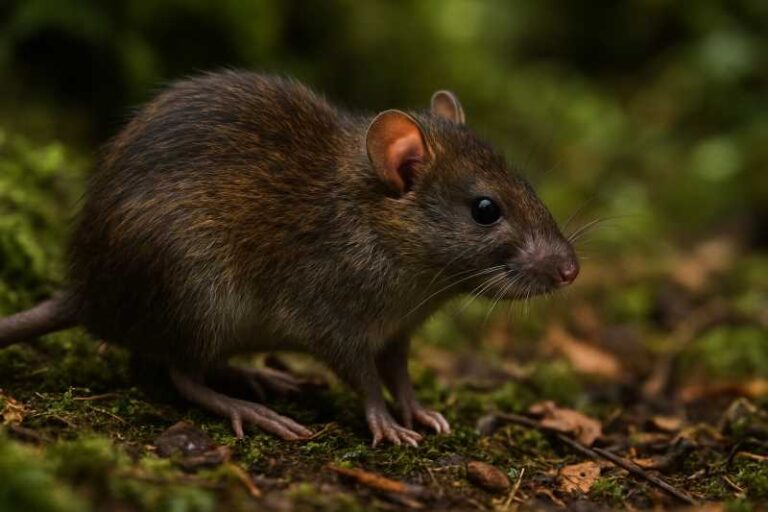
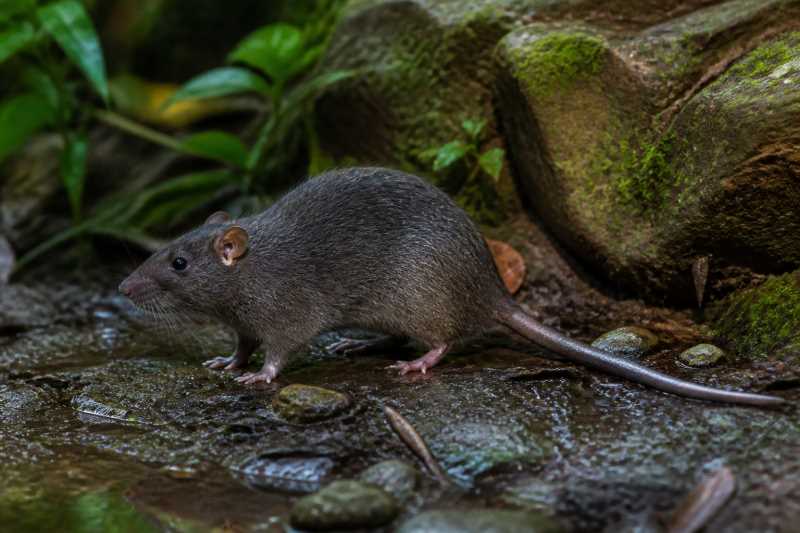
Rattus vandeuseni is characterized by a physique typical of the murine rodents, though it exhibits certain unique features that distinguish it from its relatives. The species has a relatively small body size, with an average head-body length of approximately 18 to 20 centimeters and a tail that adds another 15 to 18 centimeters to its overall length. This tail length is particularly notable, as it aids in balance and navigation through the mountainous terrains of New Guinea.
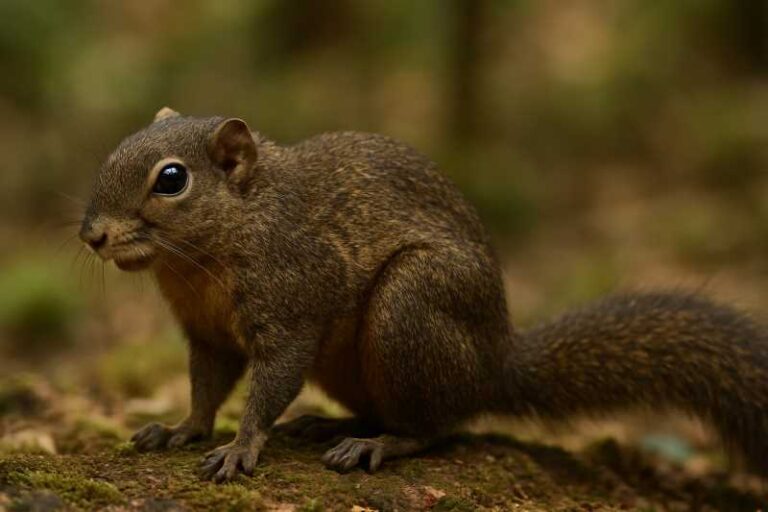
The fur of the Van Deusen’s New Guinea Mountain Rat is generally a muted brown or gray, providing effective camouflage against the forest floor’s substrate of fallen leaves and twigs. The underbelly is often lighter, ranging from pale gray to white. This counter-shading can help confuse predators by breaking up the animal’s outline. The rat’s ears are small and rounded, an adaptation that minimizes heat loss in cooler mountain environments, while its eyes are proportionately large, suggesting a reliance on vision in its dimly lit forest habitat.
Range and Habitat
Van Deusen’s New Guinea Mountain Rat is endemic to the island of New Guinea, primarily found in the high-altitude regions that define much of the island’s central core. These areas, characterized by rugged terrain and dense forest cover, provide an ideal environment for the species. The rat is predominantly found in montane forests, which are rich in biodiversity and relatively undisturbed by human activity compared to lower altitudes.
These forests, located at elevations ranging from 1,500 to 3,000 meters, offer a cool, moist climate that supports a variety of flora and fauna. The dense canopy and abundant ground cover provide ample foraging opportunities and shelter from predators. The reliance on such specific habitat conditions underscores the species’ vulnerability to habitat destruction and climate change.
Behavior and Diet
Rattus vandeuseni is primarily nocturnal, foraging during the night when the forest is quieter and cooler. This behavior minimizes competition with diurnal species and reduces the risk of predation. The rat is believed to be omnivorous, with a diet consisting of seeds, fruits, small invertebrates, and possibly fungi. Its role as a seed disperser is crucial, as it aids in the regeneration of its forest habitat.
Socially, Van Deusen’s New Guinea Mountain Rat is thought to be solitary or to live in small family groups. Observations suggest that it relies heavily on its keen sense of smell to locate food and navigate its environment. The species may also engage in burrowing or nesting within fallen logs or dense vegetation to create sheltered living spaces.
Identification Tips (Field Recognition Cues)
Identifying Rattus vandeuseni in the field requires a keen eye and knowledge of its distinguishing characteristics:
- Tail Length: The tail is notably long, often equaling or exceeding the length of the body, which is an essential field mark.
- Fur Coloration: Look for the muted brown or gray upper body contrasted with a lighter underbelly.
- Ears and Eyes: Small, rounded ears and large eyes are indicative of this species.
- Size: It is smaller than some of its relatives, such as the common black rat (Rattus rattus).
- Habitat: Restricted to high-altitude montane forests, which can help eliminate other lowland species.
Conservation Status (with Threats and Protections)
The conservation status of Van Deusen’s New Guinea Mountain Rat is currently classified as "Data Deficient" by the International Union for Conservation of Nature (IUCN). This classification reflects a lack of comprehensive data on the species’ population trends and distribution. However, several threats have been identified that could impact its survival.
Threats:
- Habitat Loss: Deforestation due to logging and agricultural expansion poses a significant threat to its montane forest habitat.
- Climate Change: Alterations in climate patterns could affect the delicate ecosystems in which the rat thrives.
- Predation: Introduced predators such as domestic cats and dogs can threaten native rodent populations.
Protections:
- Protected Areas: Some of the rat’s habitat falls within conservation areas and national parks, providing a degree of protection.
- Research Initiatives: Ongoing studies aim to better understand the species’ ecology and population dynamics, informing future conservation efforts.
Frequently Asked Questions
What is the role of Van Deusen’s New Guinea Mountain Rat in its ecosystem?
Rattus vandeuseni plays a vital role as both a seed disperser and a prey species. Its foraging activities help in the distribution of seeds, facilitating plant regeneration and maintaining forest biodiversity. Additionally, it serves as a food source for predators, contributing to the ecological balance.
How can I differentiate Van Deusen’s New Guinea Mountain Rat from other rats?
Key identifiers include its long tail, muted brown or gray fur with a lighter underbelly, small rounded ears, and large eyes. Its presence in high-altitude montane forests also helps distinguish it from other species.
Are there any conservation efforts specifically targeting Rattus vandeuseni?
While there are no specific conservation programs exclusively targeting this species, its habitat benefits from broader conservation efforts within protected areas and ongoing ecological research aimed at preserving New Guinea’s biodiversity.
What are the main threats to Van Deusen’s New Guinea Mountain Rat?
The primary threats include habitat loss due to deforestation, climate change impacts, and predation by introduced species such as cats and dogs.
Is Van Deusen’s New Guinea Mountain Rat endangered?
Currently, the species is classified as "Data Deficient," meaning there is insufficient information to determine its exact conservation status. However, known threats suggest that it could be at risk if habitat destruction and other factors continue unabated.
Related posts