Introduction
The Malaysian Field Rat, scientifically known as Rattus tiomanicus, is an intriguing rodent species native to Southeast Asia. Renowned for its adaptability and resilience, this rat species has captured the interest of researchers and wildlife enthusiasts alike. As an integral part of its ecosystem, the Malaysian Field Rat plays a vital role in the food chain, influencing both agricultural landscapes and natural habitats. This article delves into the physical characteristics, habitat preferences, and behavioral patterns of this fascinating species, providing a comprehensive guide for those interested in learning more about the Malaysian Field Rat.
Physical Description
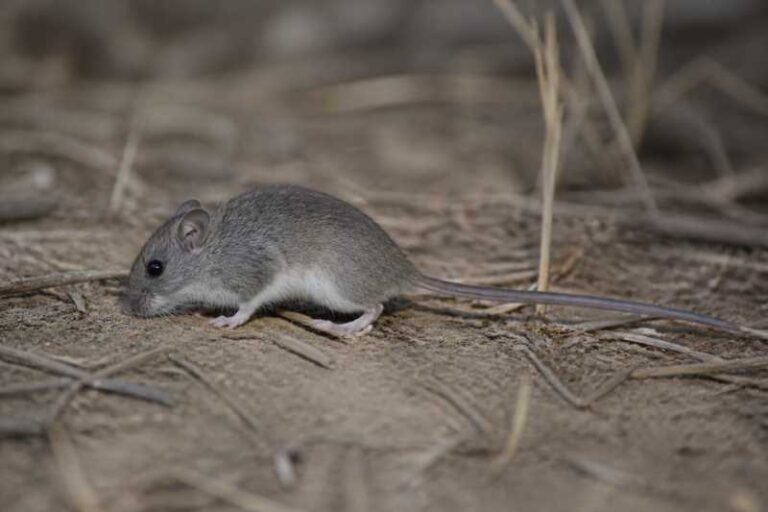
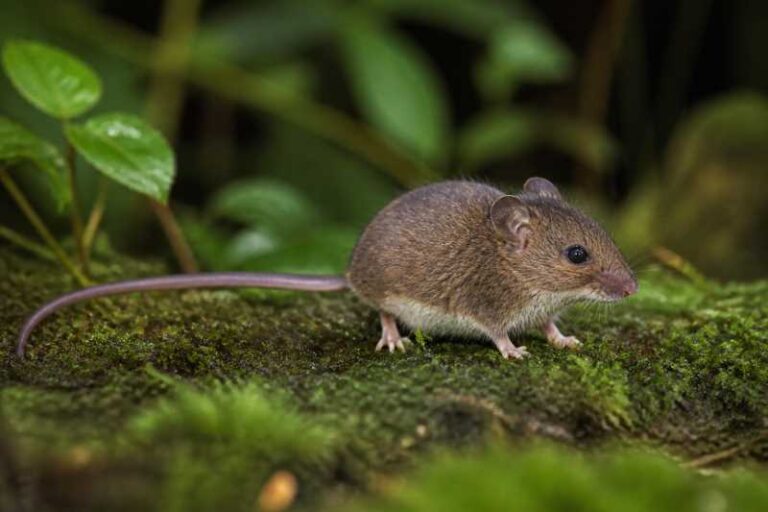
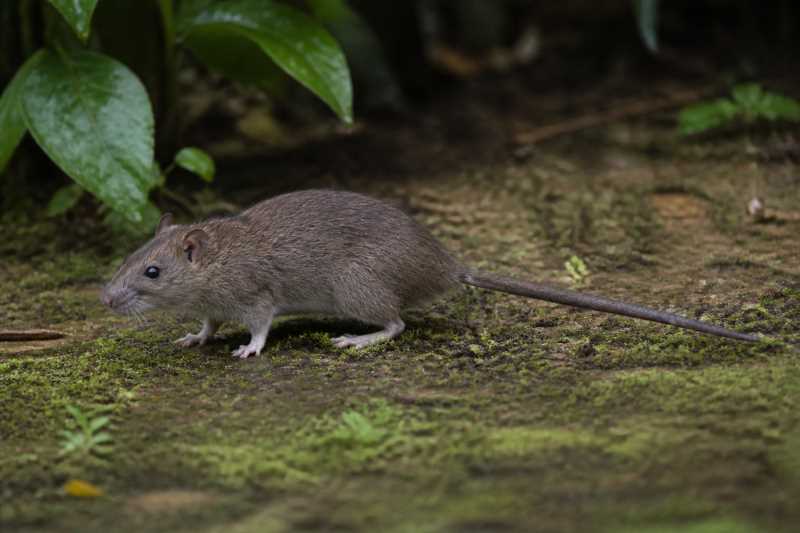
The Malaysian Field Rat is a medium-sized rodent characterized by its sleek and agile body. Adult rats typically measure between 15 to 20 centimeters in length, excluding the tail, which adds an additional 12 to 18 centimeters. Their fur is generally a blend of brown and grey hues, providing excellent camouflage against the forest floor and within agricultural settings. The underbelly is usually lighter, ranging from white to a very pale grey.
A distinctive feature of the Malaysian Field Rat is its long whiskers, which are highly sensitive and aid in navigation. The ears are relatively large and rounded, an adaptation for acute hearing, which is essential for detecting predators. The eyes are prominent, offering good night vision, as this species is primarily nocturnal. Lastly, the feet are equipped with sharp claws, adept for climbing and digging, further emphasizing their versatility in various environments.
Range and Habitat
The geographical range of the Malaysian Field Rat is predominantly within the countries of Southeast Asia, including Malaysia, Thailand, and parts of Indonesia. They thrive in diverse habitats, from dense tropical forests to cultivated lands. Their adaptability allows them to inhabit areas close to human settlements, often leading to their perceived status as pests in agricultural regions.
Malaysian Field Rats are particularly fond of environments with abundant cover and food sources. Rice paddies, plantations, and secondary forests provide ideal conditions for their survival. The presence of water bodies nearby is an added advantage, as it supports the availability of food and nesting materials. This species can also be found in mangrove forests, showcasing their ability to survive in both terrestrial and semi-aquatic habitats.
Behavior and Diet
Malaysian Field Rats are primarily nocturnal, engaging in most of their activities under the cover of darkness. This nocturnal behavior is a strategy to avoid diurnal predators. They are social creatures, often forming small colonies that consist of several family groups. Communication within these groups is facilitated by vocalizations, body language, and scent markings.
The diet of the Malaysian Field Rat is omnivorous, consisting of a wide variety of plant and animal matter. In agricultural areas, they are notorious for consuming crops such as rice, corn, and fruit, leading to conflicts with farmers. In natural habitats, their diet includes seeds, insects, small invertebrates, and occasionally bird eggs. This varied diet not only supports their survival but also influences the ecological balance within their habitats by controlling insect populations and facilitating seed dispersal.
Identification Tips (Field Recognition Cues)
When attempting to identify the Malaysian Field Rat in the wild, several key features can assist observers:
- Size and Build: Look for a medium-sized rodent with a body length of 15 to 20 cm, excluding the tail.
- Coloration: Note the brown and grey fur with a lighter underbelly.
- Tail: A long tail that is slightly longer than the body, aiding in balance.
- Whiskers and Ears: Prominent long whiskers and large, rounded ears are indicative of this species.
- Behavior: Observe nocturnal activity patterns and social behaviors in colonies.
Conservation Status (With Threats and Protections)
The Malaysian Field Rat is currently classified as a species of least concern by the International Union for Conservation of Nature (IUCN). This status is largely due to their wide distribution and adaptability to various environments. However, there are several threats that could impact their populations in the future.
Threats:
- Habitat Loss: Deforestation and urbanization pose significant threats to their natural habitats.
- Pesticides: The use of chemical pesticides in agriculture can lead to poisoning and reduced populations.
- Predation: Natural predators and domestic animals, such as cats and dogs, can impact local populations.
Protections: Efforts to conserve Malaysian Field Rats are not extensive due to their current conservation status. However, maintaining healthy ecosystems through sustainable agricultural practices and habitat conservation can indirectly benefit this species. Research into their ecological roles and population monitoring can also aid in their conservation.
Frequently Asked Questions
1. What do Malaysian Field Rats eat? Malaysian Field Rats have an omnivorous diet that includes crops like rice and corn, seeds, insects, and small invertebrates. Their diet varies based on habitat availability.
2. Are Malaysian Field Rats dangerous to humans? While Malaysian Field Rats are not inherently dangerous, they can pose a threat to crops and food stores. They are also potential carriers of diseases if they enter human habitations.
3. How do Malaysian Field Rats adapt to urban environments? These rats adapt to urban environments by exploiting food resources and shelter opportunities. They are highly adaptable, often thriving near human settlements.
4. What is the lifespan of a Malaysian Field Rat? In the wild, Malaysian Field Rats typically live for about one to two years. Their lifespan can be affected by factors such as predation and food availability.
5. How do Malaysian Field Rats communicate? Malaysian Field Rats communicate through vocalizations, body language, and scent markings. These methods help maintain social structures and alert others to danger.
Related posts