Introduction
The Camiari Leaf-eared Mouse, scientifically known as Phyllotis camiari, is a fascinating rodent species that captivates researchers and wildlife enthusiasts alike. This small mammal is a member of the Cricetidae family and is primarily found in the Andean regions of South America. Known for its adaptability and unique ecological niche, the Camiari Leaf-eared Mouse plays a crucial role in its ecosystem. This article delves into the various aspects of this intriguing species, covering its physical characteristics, habitat, behavior, and conservation status.
Physical Description
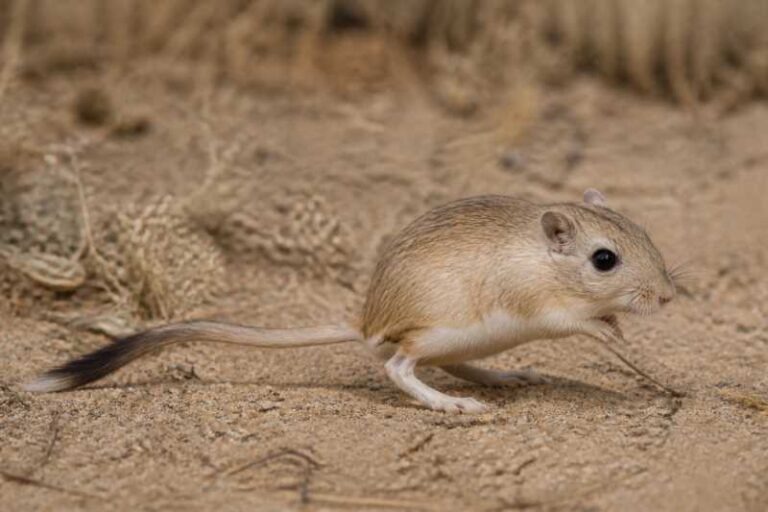
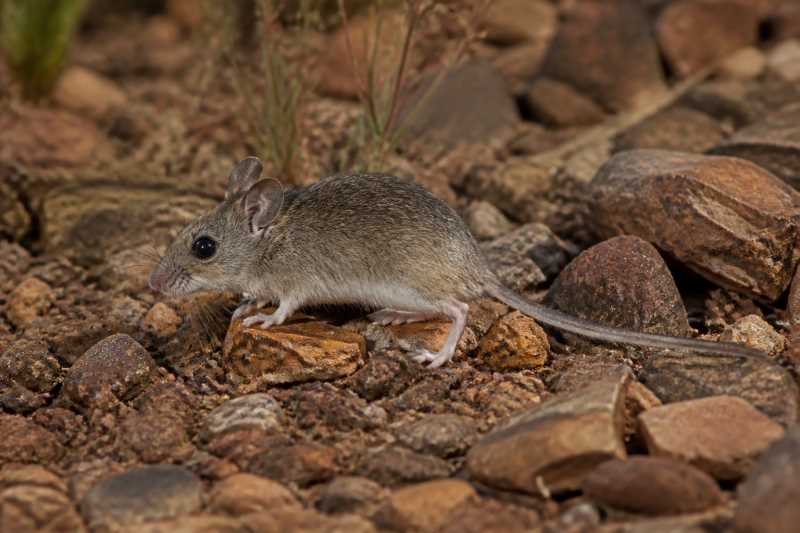
The Camiari Leaf-eared Mouse is a small rodent with distinct physical features that aid in its identification. It typically measures between 8 to 12 centimeters in body length, with a tail that is slightly shorter than its body. The mouse has a soft, dense fur coat that ranges from grayish-brown to reddish-brown on its dorsal side, providing excellent camouflage against the rocky terrain of its habitat. The ventral side is usually lighter, often a creamy white.
One of the most distinguishing features of the Camiari Leaf-eared Mouse is its large, leaf-shaped ears, which are believed to be an adaptation for thermoregulation and enhanced auditory capabilities. Its eyes are relatively large, aiding in nocturnal activities, while its whiskers are long and sensitive, helping it navigate its surroundings. The limbs of this mouse are well-adapted for climbing and burrowing, with sharp claws that provide grip on rocky surfaces.
Range and Habitat
The Camiari Leaf-eared Mouse is endemic to the Andean mountain ranges, primarily found in countries like Chile, Argentina, and Bolivia. Its preferred habitat is the rocky and arid regions of the high Andes, where it inhabits elevations ranging from 2,000 to 4,500 meters above sea level. The mouse is well-adapted to the harsh climatic conditions of these areas, which include significant temperature fluctuations and limited vegetation.
Typically, the Camiari Leaf-eared Mouse can be found in areas with sparse vegetation, such as tussock grasses and low shrubs, which provide cover from predators. It often occupies burrows or crevices among rocks, which offer protection from the elements and a safe place to rear its young. The species’ ability to thrive in such rugged environments is a testament to its remarkable adaptability.
Behavior and Diet
The Camiari Leaf-eared Mouse is primarily nocturnal, engaging in most of its activities under the cover of darkness. This behavior helps it avoid predation and the harsh daytime temperatures of its mountainous habitat. Known for its solitary nature, the mouse tends to be territorial, with each individual or family group maintaining a defined area.
The diet of the Camiari Leaf-eared Mouse is omnivorous, consisting of seeds, fruits, insects, and other small invertebrates. Its foraging habits are influenced by seasonal availability, with the mouse displaying opportunistic feeding behavior. During times of food scarcity, it may rely more heavily on stored food reserves.
Identification Tips
Identifying the Camiari Leaf-eared Mouse in the field requires attention to several key characteristics:
- Ears: Look for the large, leaf-shaped ears that are characteristic of the species.
- Fur Coloration: Observe the grayish-brown to reddish-brown dorsal fur and the lighter ventral side.
- Size: Note the small size, with a body length of 8 to 12 centimeters.
- Tail: The tail is slightly shorter than the body and is covered in fine hairs.
- Habitat: Consider the rocky, high-altitude Andean habitat where this mouse is typically found.
Conservation Status
The Camiari Leaf-eared Mouse is currently not listed as endangered or vulnerable, according to the International Union for Conservation of Nature (IUCN). However, like many species in the Andean region, it faces potential threats from habitat destruction and climate change. Mining activities, agricultural expansion, and urbanization pose significant risks to its natural habitat.
Conservation efforts for the Camiari Leaf-eared Mouse include habitat protection and monitoring populations to ensure they remain stable. Continued research is essential to understand the species’ ecological requirements and to develop effective conservation strategies.
Frequently Asked Questions
What is the Camiari Leaf-eared Mouse’s primary habitat?
The Camiari Leaf-eared Mouse primarily inhabits the rocky and arid regions of the high Andes in South America, particularly in Chile, Argentina, and Bolivia. These areas are characterized by sparse vegetation and significant temperature variations.
How does the Camiari Leaf-eared Mouse adapt to its environment?
This species has several adaptations for survival in its harsh environment, including large ears for thermoregulation, dense fur for insulation, and opportunistic feeding behavior to cope with food scarcity.
What are the main threats to the Camiari Leaf-eared Mouse?
The main threats include habitat destruction due to mining, agriculture, and urbanization, as well as the impacts of climate change, which can alter its habitat and food availability.
Is the Camiari Leaf-eared Mouse endangered?
Currently, the Camiari Leaf-eared Mouse is not listed as endangered. However, ongoing habitat monitoring and conservation efforts are crucial to ensure its population remains stable.
How can you identify a Camiari Leaf-eared Mouse?
Key identification features include large, leaf-shaped ears, a small body size (8 to 12 cm), grayish-brown to reddish-brown fur, and a habitat preference for high-altitude, rocky regions.
Related posts