Introduction
The Small Elongated White-toothed Shrew, scientifically known as Crocidura microelongata, is a fascinating and lesser-known mammal species. Found primarily in Southeast Asia, this small shrew species plays a crucial role in the ecosystem as an insectivore and is an important subject of study for those interested in biodiversity and conservation. This article delves into the various aspects of this unique creature, from its physical characteristics to its habitat and behavior, as well as the conservation challenges it faces today.
Physical Description
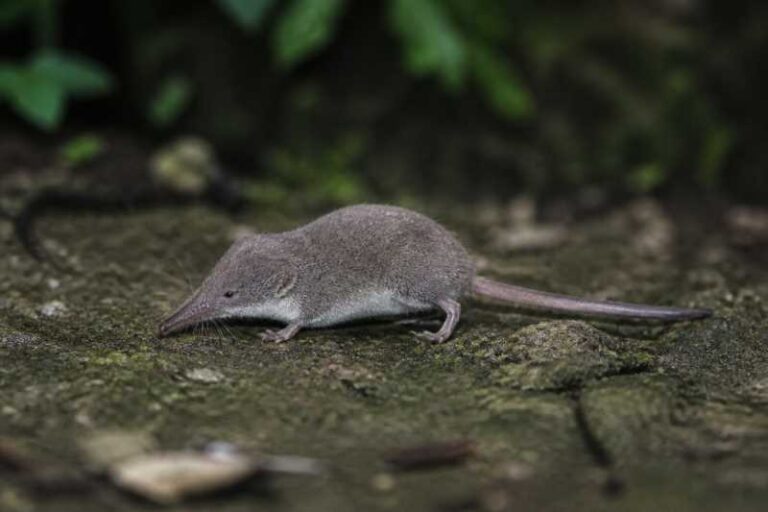
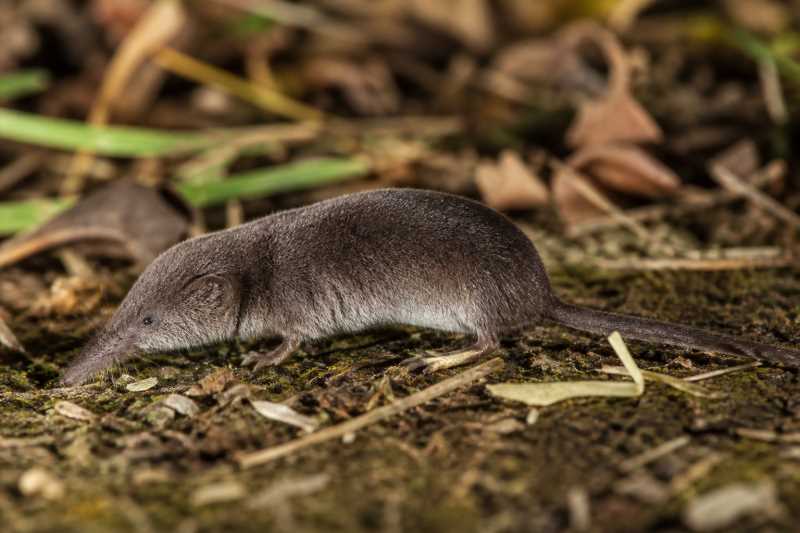
The Small Elongated White-toothed Shrew is aptly named for its distinct physical features. This diminutive mammal typically measures between 60 to 80 millimeters in body length, with a tail length ranging from 40 to 60 millimeters. Weighing approximately 5 to 10 grams, the shrew is light and agile, adapted to a life of constant foraging.
Its fur is generally a dull grayish-brown on the dorsal side, with a lighter gray coloration on the ventral side. The texture of the fur is soft and dense, providing insulation against varying temperatures in its habitat. One of the most striking features of this shrew is its elongated snout, which houses its namesake white teeth. Unlike many other mammals, the shrew’s teeth lack pigmentation, giving them a distinct white appearance. These teeth are sharp and well-suited for its insectivorous diet.
The Small Elongated White-toothed Shrew has relatively small eyes and ears, adaptations that are common among shrews due to their reliance on acute senses of smell and touch rather than sight and hearing. The limbs are short, with five-toed feet that are adept at digging and navigating through dense undergrowth.
Range and Habitat
The geographical range of the Small Elongated White-toothed Shrew is primarily confined to Southeast Asia. It is most commonly found in countries such as Vietnam, Laos, and parts of southern China. The shrew inhabits a variety of environments, from lowland forests and grasslands to montane regions up to 2,500 meters above sea level.
The preferred habitat of Crocidura microelongata includes areas with dense ground cover and abundant leaf litter, which offer ample hiding spots and a rich supply of insects. These habitats often feature a mix of moist and dry conditions, allowing the shrew to thrive year-round. The availability of water sources, such as streams and rivers, also plays a crucial role in its habitat selection.
Behavior and Diet
The Small Elongated White-toothed Shrew is primarily nocturnal, spending the majority of its active time foraging for food under the cover of darkness. This behavior helps it avoid predators and take advantage of the cooler nighttime temperatures. The shrew is a solitary creature, with individuals maintaining strict territories that they defend aggressively against intruders.
The diet of Crocidura microelongata consists mainly of insects, spiders, and other small invertebrates. Its sharp, white teeth are perfectly adapted for catching and consuming these prey items. The shrew’s high metabolic rate necessitates frequent feeding, and it is known to consume up to twice its body weight in food each day.
Identification Tips
Identifying the Small Elongated White-toothed Shrew in the field can be challenging due to its small size and elusive nature. However, there are several key characteristics that can aid in its recognition:
- Elongated Snout: The shrew’s long snout is one of its most distinctive features.
- White Teeth: The absence of pigmentation in its teeth is a unique identifier.
- Fur Coloration: Look for the dull grayish-brown fur with a lighter underside.
- Size: Note the small body size, typically 60 to 80 millimeters in length.
- Habitat: Consider the environment; the shrew is found in dense undergrowth and leaf litter.
Conservation Status
The conservation status of the Small Elongated White-toothed Shrew is currently listed as Least Concern by the International Union for Conservation of Nature (IUCN). However, this does not imply that the species is free from threats. Habitat destruction, primarily due to deforestation and agricultural expansion, poses significant risks to its populations.
Efforts to protect the natural habitats of the shrew are crucial for its continued survival. Conservation strategies include the establishment of protected areas and the implementation of sustainable land management practices. Additionally, further research is needed to monitor population trends and assess the impact of environmental changes on this species.
Frequently Asked Questions
1. What is the primary diet of the Small Elongated White-toothed Shrew?
The Small Elongated White-toothed Shrew primarily feeds on insects, spiders, and other small invertebrates. Its sharp teeth and high metabolic rate make it a voracious insectivore.
2. Where can the Small Elongated White-toothed Shrew be found?
This shrew species is found in Southeast Asia, particularly in Vietnam, Laos, and southern China. It inhabits lowland forests, grasslands, and montane regions.
3. How does the Small Elongated White-toothed Shrew defend its territory?
The shrew is a solitary animal that maintains strict territories. It defends its area aggressively against intruders, using vocalizations and physical displays to ward off competition.
4. What are the main threats to the Small Elongated White-toothed Shrew?
The main threats include habitat destruction due to deforestation and agricultural expansion. Conservation efforts focus on habitat protection and sustainable land use.
5. How can one identify the Small Elongated White-toothed Shrew in the wild?
Key identification features include its elongated snout, white teeth, small size, and dull grayish-brown fur with a lighter underside. Its preferred habitats are dense undergrowth and leaf litter.
Related posts