Introduction
Thomas’s Sac-winged Bat, scientifically known as Balantiopteryx io, is a lesser-known yet fascinating species belonging to the family Emballonuridae. With their unique characteristics and specific habitats, these bats contribute significantly to the ecological balance by controlling insect populations. First described in the early 20th century, Thomas’s Sac-winged Bat has intrigued researchers and bat enthusiasts alike due to its distinctive features and behaviors.
Physical Description
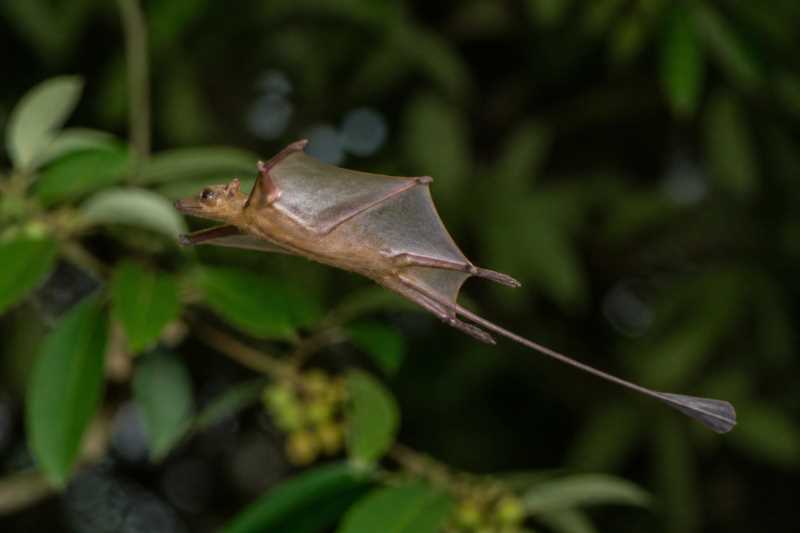
Thomas’s Sac-winged Bat is a small bat species characterized by its unique wing structure and coloration. Typically, these bats have a body length ranging from 4 to 5 centimeters and a wingspan of approximately 25 to 30 centimeters. Their fur is generally a dusky brown or grayish color, which provides excellent camouflage against tree bark and cave walls.
One of the most distinguishing features of Balantiopteryx io is the presence of a sac-like structure on the wing membrane, located near the elbow. This sac is used in social communication and possibly in mating displays. The bats have large, forward-facing eyes and a relatively short snout, which aids in their nocturnal navigation and hunting activities.
Range and Habitat
Balantiopteryx io is primarily found in Central and South America. Its range extends from southern Mexico through Guatemala, Honduras, and into northern parts of South America, including Colombia and Ecuador. These bats prefer tropical and subtropical forest environments, often roosting in caves, hollow trees, and occasionally man-made structures like abandoned buildings.
Their habitats are typically close to water sources, which support a higher density of insects – their primary food source. The availability of suitable roosting sites and an abundance of prey are critical factors that determine their distribution and population density.
Behavior and Diet
Thomas’s Sac-winged Bats are nocturnal creatures, emerging at dusk to forage for food. Their diet mainly consists of small insects, including moths, beetles, and flies, which they catch in flight using echolocation. This sophisticated navigation system allows them to hunt efficiently even in complete darkness.
Socially, these bats are known to form small colonies, often comprising a few dozen individuals. They exhibit a high degree of social interaction, facilitated by vocalizations and scent markings produced from their wing sacs. These interactions are crucial for maintaining colony cohesion and possibly play a role in mating rituals.
Identification Tips (Field Recognition Cues)
Identifying Thomas’s Sac-winged Bat in the wild requires a keen eye and some knowledge of their distinctive features:
- Size and Color: Look for small bats with dusky brown or grayish fur.
- Wing Sac: Check for the presence of a sac-like structure on the wing membrane, a key distinguishing feature.
- Flight Pattern: Observe their flight; they are agile fliers with rapid, erratic movements typical of insectivorous bats.
- Roosting Sites: Look in caves or hollow trees during the day, where they form small, tight-knit colonies.
Conservation Status (with Threats and Protections)
The conservation status of Thomas’s Sac-winged Bat is currently listed as "Least Concern" by the International Union for Conservation of Nature (IUCN). However, like many bat species, they face several threats that could impact their populations in the future.
Threats
- Habitat Loss: Deforestation and land conversion for agriculture and urban development pose significant threats to their natural habitat.
- Disturbance: Human disturbance, particularly in roosting sites such as caves, can disrupt their colonies and breeding activities.
- Climate Change: Changes in climate patterns may affect the availability of prey and suitable habitats.
Protections
Conservation efforts focus on habitat preservation and reducing human disturbance in critical roosting areas. Protected areas and national parks within their range provide some level of security. Additionally, educating local communities about the ecological benefits of bats can aid in their protection.
Frequently Asked Questions
What is the main diet of Thomas’s Sac-winged Bat?
Thomas’s Sac-winged Bat primarily feeds on small insects like moths, beetles, and flies, which they catch using echolocation during their nocturnal foraging activities.
How can you identify a Thomas’s Sac-winged Bat?
You can identify them by their small size, dusky brown or grayish fur, and the unique sac-like structure on their wing membrane. They also have a distinctive flight pattern typical of insectivorous bats.
Where do Thomas’s Sac-winged Bats live?
These bats inhabit tropical and subtropical forests in Central and South America, roosting in caves, hollow trees, and sometimes abandoned buildings.
Are Thomas’s Sac-winged Bats endangered?
Currently, they are listed as "Least Concern" by the IUCN, but they face threats like habitat loss, human disturbance, and climate change, which could impact their populations in the future.
Why are Thomas’s Sac-winged Bats important?
They play a crucial ecological role by controlling insect populations, thus contributing to biodiversity and the health of their ecosystems.
Related posts