Greater Dog-like Bat (Peropteryx kappleri): A Comprehensive Guide
Introduction
The Greater Dog-like Bat, scientifically known as Peropteryx kappleri, is a fascinating species belonging to the family Emballonuridae, commonly referred to as sac-winged or sheath-tailed bats. This species is one of the lesser-known mammals that inhabit the Neotropical regions. Despite its relative obscurity, understanding the ecological role and conservation needs of the Greater Dog-like Bat is crucial, given its unique adaptation and contribution to biodiversity. This article delves into various aspects of the Greater Dog-like Bat, offering insights into its physical characteristics, habitat preferences, behavioral patterns, and conservation status.
Physical Description
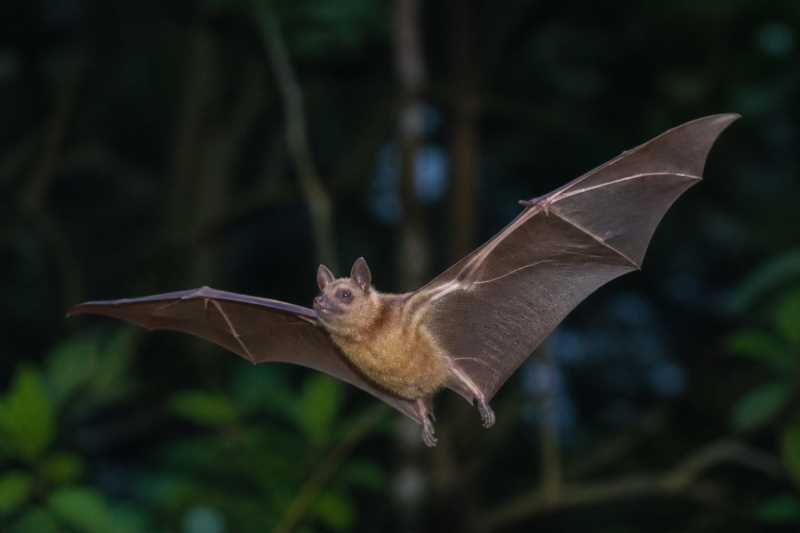
The Greater Dog-like Bat is characterized by its moderate size compared to other members of the Emballonuridae family. Adults typically have a forearm length ranging from 46 to 54 mm and a body mass of approximately 9 to 14 grams. The species exhibits a distinctive appearance, with a sleek, dog-like face, which is where it derives its common name. The bats possess a short muzzle and slightly raised nose, which contribute to their canine-like facial structure.
The fur of the Greater Dog-like Bat is generally short and velvety, with color variations ranging from grayish-brown to dark brown, providing effective camouflage against tree bark and cave surfaces. One of the notable features is the presence of small glands located on the wings’ leading edges, which are believed to play a role in social interactions and mate attraction.
Range and Habitat
Peropteryx kappleri is predominantly found in the Neotropical regions of Central and South America. Its geographical range extends from southern Mexico through Central America to the northern parts of South America, including countries like Venezuela, Colombia, Brazil, and Peru.
The species favors a variety of habitats, from lowland forests and savannas to semi-arid regions and mangroves. They are particularly known to inhabit areas near water bodies, which provide abundant insect prey. Roosting sites are typically located in hollow trees, caves, and man-made structures, where they form small colonies.
Behavior and Diet
Greater Dog-like Bats are primarily nocturnal, emerging from their roosts at dusk to forage for food. Their diet mainly consists of insects, with a preference for moths, beetles, and other flying arthropods. They employ echolocation to hunt, using high-frequency calls to detect and capture prey in flight.
Socially, Peropteryx kappleri exhibits a complex structure within roosts, often forming small colonies that may consist of a few individuals to several dozen bats. These colonies are usually led by a dominant male, with several females and their young. Mating behaviors and social interactions are facilitated by scent markings from the wing glands and vocalizations.
Identification Tips
For those interested in observing or studying the Greater Dog-like Bat in the field, there are several key identification tips that can aid in recognition:
- Facial Structure: Look for the distinctive dog-like muzzle and short nose, which sets them apart from other bat species.
- Fur Color: Observe the grayish-brown to dark brown tones of the fur, which blend well with their natural habitat.
- Roosting Habits: Note their preference for roosting in hollow trees and caves, often in small colonies.
- Echolocation Calls: Use a bat detector to identify their high-frequency echolocation calls, which are specific to the species.
Conservation Status
Currently, the Greater Dog-like Bat is classified as Least Concern by the International Union for Conservation of Nature (IUCN). However, like many bat species, it faces threats from habitat destruction, deforestation, and human encroachment. Additionally, pesticide use in agriculture can impact their insect prey populations, indirectly affecting their food supply.
Conservation efforts for Peropteryx kappleri focus on habitat preservation and reducing human-induced threats. Protected areas within its range offer some refuge, but continuous monitoring and environmental education are essential to ensure the species’ long-term survival.
Frequently Asked Questions
What is the primary diet of the Greater Dog-like Bat?
The Greater Dog-like Bat primarily feeds on insects, including moths and beetles. They utilize echolocation to detect and capture prey during night flights.
Where can the Greater Dog-like Bat be found?
This species is found across the Neotropical regions, from southern Mexico through Central America to northern South America, favoring habitats near water bodies.
How does the Greater Dog-like Bat communicate?
The species communicates through a combination of echolocation calls and scent markings from glands on their wings, which play a role in social interactions and mating.
What threats does the Greater Dog-like Bat face?
Key threats include habitat destruction, deforestation, and pesticide use, which impacts their prey availability. Conservation efforts focus on habitat protection and reducing human impacts.
How can I identify a Greater Dog-like Bat in the wild?
Look for their dog-like facial structure, grayish-brown fur, and listen for their specific echolocation calls using a bat detector. They typically roost in hollow trees and caves.
Related posts