Introduction
The Mexican Water Mouse, scientifically known as Rheomys mexicanus, is a fascinating yet lesser-known species of mammal native to parts of Central America. This small rodent is part of the Cricetidae family, which includes other well-known species such as voles, lemmings, and New World rats and mice. The Mexican Water Mouse is an integral component of its ecosystem, contributing to the biodiversity and environmental health of its habitat. Despite its significance, much about this elusive creature remains shrouded in mystery, making it a compelling subject for research and conservation efforts.
Physical Description
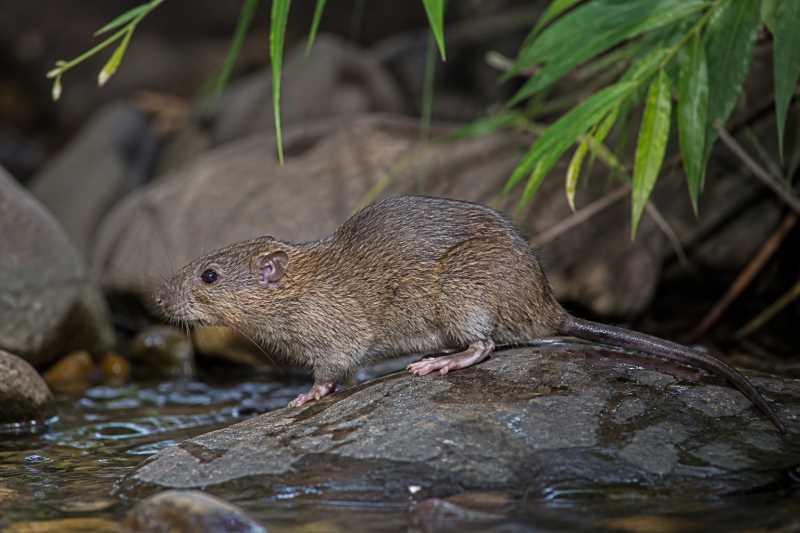
The Mexican Water Mouse is characterized by its small size and distinctive physical features that are well-adapted to its aquatic lifestyle. Typically, an adult measures between 12 to 16 centimeters in length, with a tail that is roughly the same length as its body. This species has a sleek, water-resistant coat that ranges in color from dark brown to black, providing efficient camouflage in its natural habitat.
One of the most notable physical traits of the Mexican Water Mouse is its webbed feet, which facilitate swimming. This adaptation is crucial for foraging and escaping predators in aquatic environments. Additionally, the mouse has a pointed snout and long whiskers, which are useful for detecting prey and navigating through murky waters.
Range and Habitat
The Mexican Water Mouse is primarily found in the high-altitude regions of southern Mexico, particularly in the states of Oaxaca and Chiapas. Its habitat consists of fast-flowing streams and rivers, often surrounded by dense forest or shrubland. These environments provide the ideal conditions for the mouse’s aquatic lifestyle, offering abundant food sources and protection from predators.
The species prefers clean, unpolluted waterways, which are rapidly diminishing due to human activities. As such, the Mexican Water Mouse is often found in remote, undisturbed areas that are less affected by environmental degradation.
Behavior and Diet
The Mexican Water Mouse is primarily nocturnal, conducting most of its foraging activities under the cover of darkness. This behavior helps it avoid diurnal predators and take advantage of the cooler temperatures at night. The mouse is a proficient swimmer, using its webbed feet to navigate swiftly through water in search of food.
Its diet consists mainly of aquatic invertebrates, such as insects, crustaceans, and small mollusks. Occasionally, it may also consume plant material, such as seeds and aquatic vegetation. The mouse’s keen sense of smell and tactile whiskers aid in locating prey, even in low-visibility conditions.
Identification Tips (Field Recognition Cues)
Identifying the Mexican Water Mouse in the wild can be challenging due to its elusive nature and nocturnal habits. However, several field recognition cues can aid in distinguishing this species from other rodents:
- Webbed Feet: Look for the distinctive webbed feet, which are a key adaptation for swimming.
- Tail Length: The tail is approximately equal in length to the body, which is not common in all rodent species.
- Coloration: The dark brown to black coloration of its fur helps it blend into its aquatic surroundings.
- Habitat: Observing the habitat can provide clues; this species is typically near fast-flowing streams or rivers.
Conservation Status (with Threats and Protections)
The conservation status of the Mexican Water Mouse is currently listed as "Data Deficient" by the International Union for Conservation of Nature (IUCN), indicating that there is insufficient information to make a precise assessment of its population trends and threats. However, it is known that the species faces several challenges that could impact its survival.
Threats
- Habitat Loss: Deforestation and land conversion for agriculture are primary threats, leading to the destruction of the mouse’s natural habitat.
- Pollution: Contamination of waterways from industrial and agricultural runoff poses a significant risk to aquatic ecosystems.
- Climate Change: Alterations in water availability and temperature could further stress this species.
Protections
Efforts to protect the Mexican Water Mouse include the establishment of protected areas and environmental regulations aimed at preserving water quality. Additionally, research initiatives are crucial to better understand the species and inform conservation strategies.
Frequently Asked Questions
What is the natural habitat of the Mexican Water Mouse?
The Mexican Water Mouse is typically found in high-altitude streams and rivers in southern Mexico. It prefers clean, fast-flowing water surrounded by forested areas.
How does the Mexican Water Mouse adapt to its aquatic environment?
The Mexican Water Mouse has several adaptations for an aquatic lifestyle, including webbed feet for swimming, a water-resistant coat, and a pointed snout for detecting prey.
What are the main threats to the Mexican Water Mouse?
The primary threats include habitat loss due to deforestation, water pollution from agricultural and industrial activities, and the impacts of climate change.
How can you identify a Mexican Water Mouse in the wild?
Look for features such as webbed feet, a tail equal in length to its body, dark fur, and its presence in aquatic environments.
What conservation measures are in place for the Mexican Water Mouse?
Conservation measures include protected areas, environmental regulations to maintain water quality, and research initiatives to better understand the species.
Related posts