Introduction
Thomas’s Mastiff Bat, scientifically known as Molossus currentium, is a fascinating species of bat belonging to the Molossidae family. This bat is a remarkable example of the diversity found within the Chiroptera order, commonly known as bats. With their unique adaptations and ecological roles, these nocturnal mammals have intrigued scientists and nature enthusiasts alike. In this comprehensive article, we delve into the intriguing world of Thomas’s Mastiff Bat, exploring its physical characteristics, habitat, behavior, conservation status, and more.
Physical Description
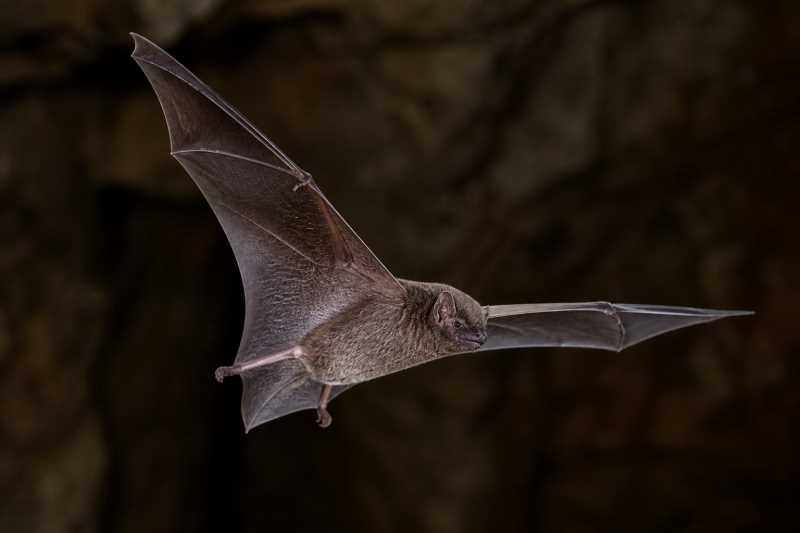
Thomas’s Mastiff Bat is characterized by its robust body and distinctively short, broad wings, which are adapted for rapid and agile flight. The adult bat typically measures around 10 to 12 centimeters in length, with a wingspan of approximately 30 to 35 centimeters. The fur of Molossus currentium is short and velvety, ranging in color from dark brown to black, providing excellent camouflage in its natural habitat.
One of the defining features of this bat is its large, rounded ears that are set apart from each other, allowing for enhanced echolocation capabilities. The face of Thomas’s Mastiff Bat is relatively flat with a broad muzzle, giving it a characteristic mastiff-like appearance. Its tail extends beyond the uropatagium, the membrane that stretches between the bat’s legs, a feature common among free-tailed bats.
Range and Habitat
Thomas’s Mastiff Bat is predominantly found in the neotropical regions of Central and South America. Its range extends from southern Mexico through Central America and into northern parts of South America, including Colombia, Venezuela, and Ecuador. This species thrives in a variety of habitats, ranging from tropical rainforests to more arid environments such as savannas and scrublands.
These bats are highly adaptable and can often be found roosting in a variety of structures, both natural and man-made. Natural roosts include hollow trees, caves, and rock crevices, while human-made structures such as buildings and bridges often serve as alternative roosting sites. This adaptability to different environments makes Thomas’s Mastiff Bat a resilient species in terms of habitat selection.
Behavior and Diet
Thomas’s Mastiff Bat is primarily nocturnal, emerging from its roosts at dusk to forage for food. It is an insectivorous species, relying on a diet that primarily consists of flying insects such as moths, beetles, and mosquitoes. The bat uses echolocation to navigate and locate its prey, emitting high-frequency sound waves that bounce off objects and return as echoes, allowing it to effectively hunt in complete darkness.
Social behavior in Thomas’s Mastiff Bat is notable, as these bats often form colonies that can range from a few individuals to several hundred. Within these colonies, there is a complex social structure that includes vocal communication and cooperative behaviors, particularly among females during the breeding season.
Identification Tips (Field Recognition Cues)
Identifying Thomas’s Mastiff Bat in the field can be challenging due to its nocturnal habits and the overlap with other similar bat species. However, there are several key characteristics that can aid in identification:
- Size and Shape: Look for the bat’s robust body and short, broad wings, which are adapted for fast flight.
- Tail: Note the prominent tail that extends beyond the uropatagium.
- Ears: Large, rounded ears that are well-separated are distinctive features.
- Coloration: The dark brown to black coloration of the fur can help differentiate it from other bat species.
Conservation Status (with Threats and Protections)
Currently, Thomas’s Mastiff Bat is listed as a species of Least Concern by the International Union for Conservation of Nature (IUCN). However, like many bat species, it faces a number of threats that could affect its population in the future.
Threats
- Habitat Loss: Deforestation and land conversion for agriculture and urban development pose significant threats to the natural habitats of this bat.
- Pesticide Use: Widespread use of pesticides can reduce the availability of insect prey and may also directly harm bats if they consume contaminated insects.
- Human Disturbance: Roosting sites are often disturbed by human activities, especially in urban areas where bats may roost in buildings.
Protections
- Legal Protections: In many countries within its range, bats are protected under wildlife conservation laws that prohibit harming or disturbing them.
- Habitat Conservation: Efforts to conserve and restore natural habitats are crucial for the long-term survival of Thomas’s Mastiff Bat.
- Public Awareness: Educating the public about the ecological importance of bats can help reduce negative perceptions and promote conservation efforts.
Frequently Asked Questions
What is the primary diet of Thomas’s Mastiff Bat?
Thomas’s Mastiff Bat primarily feeds on flying insects such as moths, beetles, and mosquitoes. It uses echolocation to locate and capture its prey during nighttime foraging sessions.
Where can Thomas’s Mastiff Bat be found?
This bat species is found in the neotropical regions of Central and South America, including southern Mexico, Central America, and northern parts of South America.
How does Thomas’s Mastiff Bat navigate in the dark?
Thomas’s Mastiff Bat uses echolocation to navigate and hunt in the dark. It emits high-frequency sound waves that bounce off objects and return as echoes, providing information about the surrounding environment.
What are the major threats to Thomas’s Mastiff Bat?
Major threats to this bat species include habitat loss due to deforestation and urban development, pesticide use affecting insect prey availability, and human disturbance of roosting sites.
How can we help conserve Thomas’s Mastiff Bat?
Conservation efforts for this species include habitat protection and restoration, legal protections, and public education to raise awareness about the importance of bats in ecosystems.
Related posts