Introduction
The Popa Langur (Trachypithecus popa) is a fascinating primate species that has recently captivated the attention of the scientific community and wildlife enthusiasts alike. Discovered as a distinct species in 2020, this leaf-eating monkey is a member of the Colobinae subfamily, which is known for its unique digestive adaptations for a herbivorous diet. Named after its habitat near Mount Popa, an extinct volcano in central Myanmar, the Popa Langur is already considered critically endangered, highlighting the urgent need for conservation efforts. This article delves into the physical characteristics, behavior, and conservation status of this intriguing mammal, offering insights into what makes the Popa Langur a unique and essential component of its ecosystem.
Physical Description
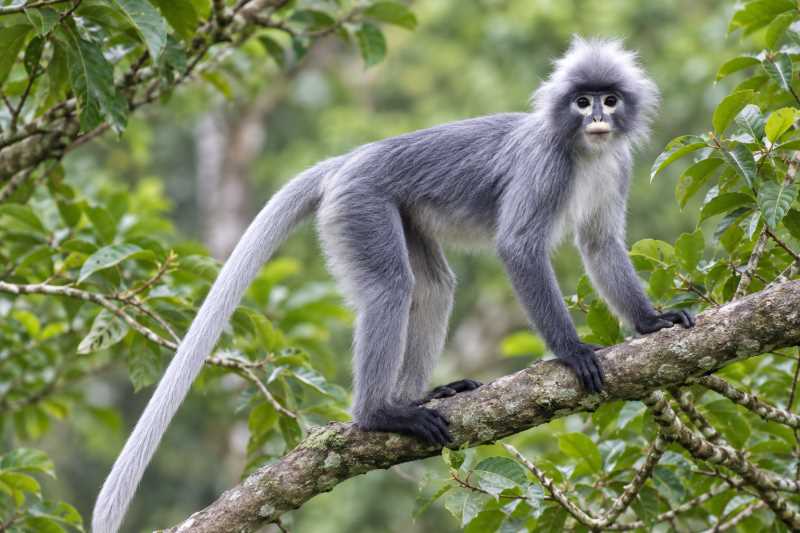
The Popa Langur is a medium-sized primate, with adults typically weighing between 7 and 8.5 kilograms (15 to 19 pounds). Their body length ranges from 50 to 60 centimeters (20 to 24 inches), with a tail that is considerably longer, measuring approximately 80 to 90 centimeters (31 to 35 inches). This long tail is not only a distinctive feature but also aids in balance and agility as they navigate the dense forest canopy.
The coat of the Popa Langur is predominantly gray, with a contrasting white belly and a striking face pattern. They have a dark, almost black face, with expressive, forward-facing eyes that are typical of primates. One of their most distinguishing features is the white fur surrounding their eyes, giving the appearance of a pair of spectacles. The fur around their face is generally lighter, creating a marked contrast with the darker body, which can serve as a useful identification feature in the field.
Range and Habitat
The Popa Langur is endemic to Myanmar, with its distribution primarily centered around the dry deciduous forests near Mount Popa. These forests provide a vital habitat rich in biodiversity, offering the langurs ample foliage for their diet. The region’s climate is characterized by a distinct dry season and a wet monsoon season, both of which influence the availability of food resources and consequently, the behavior and movement of the Popa Langurs.
Their habitat choice is heavily influenced by the availability of food and the presence of suitable trees for foraging and shelter. The langurs prefer areas with dense canopy cover, which provides protection against predators and harsh weather conditions. However, habitat fragmentation and deforestation pose significant threats to their survival, as these factors reduce the available habitat and isolate populations, leading to decreased genetic diversity.
Behavior and Diet
Popa Langurs are primarily folivorous, meaning their diet consists mainly of leaves. They possess a specialized stomach with multiple compartments, allowing them to digest cellulose-rich foliage efficiently. This adaptation is crucial for extracting the necessary nutrients from a diet that is otherwise low in readily digestible energy.
In addition to leaves, Popa Langurs may consume fruits, seeds, and flowers, depending on availability. Their foraging behavior is influenced by seasonal changes, as different food sources become available or scarce throughout the year.
Socially, Popa Langurs live in groups typically consisting of one dominant male, several females, and their offspring. This social structure is common among colobines and plays a crucial role in the protection of the group from predators. The langurs communicate using a range of vocalizations, facial expressions, and body postures, which help maintain group cohesion and coordinate movements, especially during foraging.
Identification Tips (Field Recognition Cues)
Identifying the Popa Langur in the wild can be a rewarding experience, but it requires keen observation skills due to their elusive nature and preference for high canopy habitats. Here are some tips for recognizing Popa Langurs in the field:
- Facial Markings: Look for the distinctive white fur around the eyes, which resembles spectacles. This feature is one of the most reliable cues for identifying the species.
- Tail Length: Their long tail, often exceeding the length of their body, is noticeable and aids in identification, especially when they are moving through the trees.
- Group Behavior: They are often found in small groups, so spotting one individual might lead to sightings of others nearby.
- Habitat Preference: Focus your search in the deciduous forests near Mount Popa, particularly in areas with dense canopy cover.
- Vocalizations: Listen for their calls, which are used for communication within the group and can indicate their presence even if they are not immediately visible.
Conservation Status (With Threats and Protections)
The Popa Langur is currently listed as Critically Endangered on the IUCN Red List. This status is primarily due to habitat loss and fragmentation caused by agricultural expansion, logging, and human settlement. The species’ limited range and small population size exacerbate these threats, making conservation efforts urgent.
Key threats include:
- Deforestation: The conversion of forests into agricultural land reduces the available habitat for Popa Langurs, leading to population declines.
- Hunting: Although not as common, hunting for bushmeat and traditional medicine poses a threat to their population.
- Human Encroachment: As human populations grow, increased encroachment into langur habitats leads to further habitat degradation and fragmentation.
Conservation measures are being implemented to protect the Popa Langur, including:
- Protected Areas: Establishing and enforcing protected areas around Mount Popa to preserve critical habitats.
- Research and Monitoring: Conducting ongoing research to better understand the species’ ecology and population dynamics.
- Community Engagement: Involving local communities in conservation efforts to promote sustainable practices and reduce human-wildlife conflicts.
- Legal Protections: Strengthening legal frameworks to prevent illegal logging and hunting within the langur’s habitat.
Frequently Asked Questions
1. What is the diet of the Popa Langur?
The Popa Langur primarily feeds on leaves, but it also consumes fruits, seeds, and flowers depending on seasonal availability. Their specialized stomach allows them to digest cellulose efficiently.
2. Where can the Popa Langur be found?
The Popa Langur is endemic to Myanmar, particularly in the dry deciduous forests near Mount Popa. They prefer habitats with dense canopy cover for protection and foraging.
3. Why is the Popa Langur critically endangered?
The Popa Langur is critically endangered due to habitat loss from deforestation, human encroachment, and habitat fragmentation. Conservation efforts are focused on habitat protection and community engagement.
4. How do Popa Langurs communicate?
Popa Langurs communicate using vocalizations, facial expressions, and body postures. These methods help maintain group cohesion and coordinate movements during foraging.
5. What are the main threats to the Popa Langur’s survival?
The primary threats to the Popa Langur include deforestation, hunting, and habitat fragmentation. Conservation initiatives are crucial to address these challenges and protect the species.
Related posts