Shortridge’s Horseshoe Bat: A Comprehensive Guide
Introduction
Shortridge’s Horseshoe Bat, scientifically known as Rhinolophus shortridgei, is a unique species within the Rhinolophidae family. Known for its distinct horseshoe-shaped noseleaf, this bat species is a fascinating subject of study for chiropterologists and wildlife enthusiasts alike. Though not as commonly discussed as other bat species, Shortridge’s Horseshoe Bat plays a crucial role in its ecosystem, contributing to insect population control and seed dispersal.
Named after the English zoologist Guy Shortridge, the species was first described in the early 20th century. Despite its limited range, Shortridge’s Horseshoe Bat has adapted to various habitats, showcasing the incredible adaptability and diversity of the Rhinolophidae family.
Physical Description
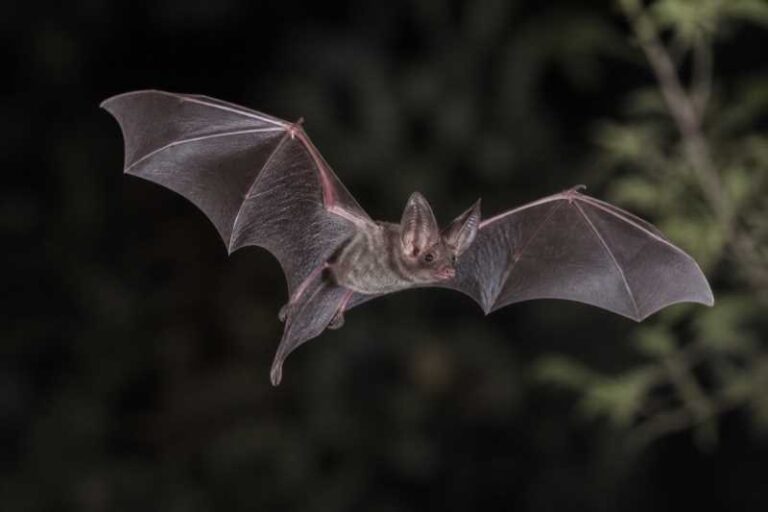
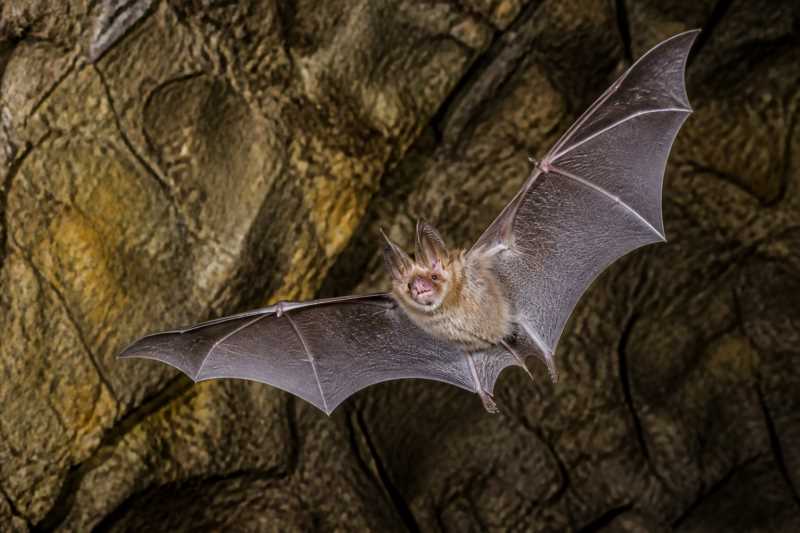
Shortridge’s Horseshoe Bat is a medium-sized bat, characterized by its distinctive noseleaf structure, which is shaped like a horseshoe. This feature is not just for show; it plays a critical role in the bat’s echolocation abilities, allowing it to navigate and hunt with impressive precision.
The bat’s fur is typically a shade of brown or gray, which provides excellent camouflage against the rocky environments it often inhabits. The wings are long and narrow, designed for agile flight and quick maneuvers while hunting insects. Adult bats typically weigh between 8 to 12 grams, with a wingspan ranging from 30 to 35 centimeters.
Range and Habitat
Shortridge’s Horseshoe Bat is primarily found in Southeast Asia, with confirmed populations in regions of Myanmar, Thailand, Laos, and Vietnam. The species thrives in a variety of habitats, including tropical and subtropical forests, limestone caves, and sometimes even abandoned buildings.
These bats prefer roosting in caves during the day, often in colonies that range from a few individuals to several hundred. The choice of roosting site is crucial for their survival, providing protection from predators and stable microclimatic conditions.
Behavior and Diet
As a nocturnal species, Shortridge’s Horseshoe Bat is most active during the night. It employs echolocation to navigate and hunt, emitting high-frequency sounds that bounce off objects, revealing their location, size, and even texture.
The diet of Shortridge’s Horseshoe Bat primarily consists of insects, with a preference for moths, beetles, and flies. This insectivorous diet not only sustains the bat but also helps control insect populations, making it an important player in its ecosystem.
Identification Tips
Identifying Shortridge’s Horseshoe Bat in the field requires attention to several key features:
- Noseleaf Structure: The horseshoe-shaped noseleaf is the most distinctive feature, crucial for echolocation.
- Fur Color: Look for the brown or grayish fur that blends well with rocky or forested environments.
- Size and Wingspan: Note the medium size, with a wingspan of 30 to 35 centimeters.
- Behavior: Observe their flight patterns at dusk or night, which can help differentiate them from other bat species.
Conservation Status
The conservation status of Shortridge’s Horseshoe Bat is currently listed as "Data Deficient" by the International Union for Conservation of Nature (IUCN). This classification indicates a lack of comprehensive data regarding population trends and threats.
Threats
The primary threats to Shortridge’s Horseshoe Bat include habitat destruction due to deforestation and cave disturbance. Additionally, human activities such as mining and urban expansion pose significant risks to their natural habitats.
Protections
Efforts to protect Shortridge’s Horseshoe Bat include habitat conservation and legal protections in some regions. Conservationists advocate for the preservation of cave environments and the establishment of protected areas to safeguard these bats.
Frequently Asked Questions
What is the typical lifespan of Shortridge’s Horseshoe Bat?
Shortridge’s Horseshoe Bats can live up to 20 years in the wild, although their lifespan can be significantly affected by factors such as predation and environmental changes.
How does Shortridge’s Horseshoe Bat contribute to the ecosystem?
By controlling insect populations and aiding in seed dispersal, Shortridge’s Horseshoe Bat plays a vital role in maintaining ecological balance in its habitat.
Are Shortridge’s Horseshoe Bats dangerous to humans?
No, Shortridge’s Horseshoe Bats are not dangerous to humans. They are shy and avoid human interaction, posing no significant threat.
How can you help in the conservation of Shortridge’s Horseshoe Bat?
Supporting conservation efforts through donations, raising awareness, and advocating for habitat protection are effective ways to contribute to the conservation of this species.
Where can I observe Shortridge’s Horseshoe Bat in the wild?
To observe Shortridge’s Horseshoe Bat, consider visiting protected areas in Southeast Asia where they are known to roost, always ensuring to minimize disturbance to their natural habitat.
Related posts