Introduction
The Taiwanese Gray White-toothed Shrew (Crocidura tanakae) is a small mammal species belonging to the Soricidae family. Native to Taiwan, this elusive creature is a fascinating subject for both researchers and wildlife enthusiasts. Known for its subtle appearance and nocturnal habits, the Taiwanese Gray White-toothed Shrew plays a crucial role in its ecosystem, primarily through insect control. This article delves into the various aspects of this shrew species, including its physical characteristics, habitat preferences, behavior, and conservation status.
Physical Description
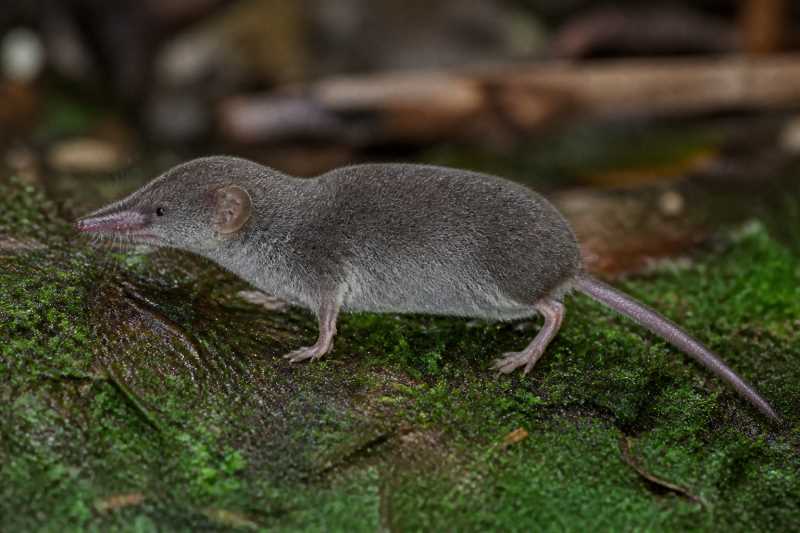
The Taiwanese Gray White-toothed Shrew is a diminutive mammal, typically measuring between 5 to 8 centimeters in body length, with an additional tail length of approximately 4 to 5 centimeters. The body weight of an adult shrew ranges from 4 to 11 grams. Its fur is predominantly gray, providing a subtle camouflage against the forest floor, while its ventral side is slightly lighter in color.
One of the distinguishing features of this species is its dentition. As the name suggests, the shrew possesses white teeth, a characteristic that sets it apart from other close relatives. The ears are small and rounded, often concealed within its dense fur. Despite its tiny size, the Taiwanese Gray White-toothed Shrew is equipped with sharp, pointed snouts and tiny eyes, which aid in its nocturnal lifestyle.
Range and Habitat
Endemic to Taiwan, the Taiwanese Gray White-toothed Shrew inhabits a range of environments from lowland forests to mountainous regions. It is primarily found in moist, deciduous forests, where the dense undergrowth offers ample cover and abundant food supply. These shrews are also known to occupy agricultural areas and gardens, where they can easily find insects and other small invertebrates.
The species thrives in altitudes ranging from sea level to about 3,000 meters. The shrew’s adaptability to various habitats is crucial for its survival, as it enables the exploitation of diverse ecological niches across the island.
Behavior and Diet
The Taiwanese Gray White-toothed Shrew is primarily nocturnal, spending the day hidden under leaf litter or within burrows. It emerges at night to forage for food, relying heavily on its keen sense of smell and touch to locate prey. Its diet consists mainly of insects, spiders, and other small invertebrates, making it an essential player in controlling pest populations.
These shrews are solitary creatures, except during the breeding season when males and females come together to mate. The breeding season occurs from spring to early autumn, during which a female may produce several litters, each consisting of 2 to 7 young. The young are born blind and helpless, requiring about three weeks of maternal care before they become independent.
Identification Tips (Field Recognition Cues)
Identifying the Taiwanese Gray White-toothed Shrew in the field can be challenging due to its elusive nature and cryptic coloration. However, there are several cues that can aid in its recognition:
- Size and Shape: Look for a small, mouse-like creature with a long, slender snout and relatively short limbs.
- Coloration: Note the overall gray fur with a lighter ventral side.
- Behavior: Observe the shrew’s rapid, darting movements and tendency to remain close to the ground or under cover.
- Habitat: Focus on areas with dense undergrowth in forests or gardens.
- Teeth: If observed closely, the presence of white teeth is a direct indicator distinguishing it from other shrew species.
Conservation Status (with Threats and Protections)
Currently, the Taiwanese Gray White-toothed Shrew is not listed as a threatened species by the International Union for Conservation of Nature (IUCN). However, its population dynamics are not well-documented, and continuous monitoring is essential to ensure its conservation.
Threats to the species include habitat destruction due to urbanization, agriculture, and deforestation. The loss of forested areas reduces the available habitat and food sources for the shrew, potentially leading to population declines.
Conservation efforts in Taiwan focus on preserving natural habitats through the establishment of protected areas and promoting sustainable land-use practices. Raising awareness about the importance of small mammals like the Taiwanese Gray White-toothed Shrew in maintaining ecological balance is crucial for their long-term survival.
Frequently Asked Questions
What is the primary diet of the Taiwanese Gray White-toothed Shrew?
The Taiwanese Gray White-toothed Shrew primarily feeds on insects, spiders, and small invertebrates, playing a vital role in pest control within its habitat.
Where can the Taiwanese Gray White-toothed Shrew be found?
This shrew species is endemic to Taiwan and can be found in a variety of habitats, including moist deciduous forests, agricultural areas, and gardens, from sea level to mountainous regions.
How does the Taiwanese Gray White-toothed Shrew contribute to its ecosystem?
The shrew helps control insect populations, thus maintaining ecological balance. Its activities contribute to soil aeration and nutrient cycling.
Are Taiwanese Gray White-toothed Shrews endangered?
Currently, the shrew is not classified as endangered. However, habitat destruction poses a potential threat, necessitating conservation efforts to protect its natural environment.
How can I identify a Taiwanese Gray White-toothed Shrew in the wild?
Look for a small, gray-furred creature with a long snout and white teeth, often found in dense undergrowth in forests or gardens.
Related posts