Tres Marias Hummingbird: A Jewel of the Mexican Archipelago
The Tres Marias Hummingbird (Cynanthus lawrencei) is a rare and vibrant species native to the Tres Marias Islands, an isolated archipelago off the western coast of Mexico. This remarkable bird is notable not only for its dazzling plumage but also for its unique ecological niche and conservation status. As a species endemic to these islands, the Tres Marias Hummingbird represents a critical component of the local biodiversity, making its study and preservation of paramount importance.
A Glimpse into the Biogeography of the Tres Marias Islands
The Tres Marias Islands, consisting of four islands: Maria Madre, Maria Magdalena, Maria Cleofas, and San Juanito, lie approximately 100 kilometers off the coast of Nayarit, Mexico. This archipelago is characterized by its subtropical climate, lush forests, and diverse fauna and flora. Due to their isolation from the mainland, these islands host a variety of endemic species, including the Tres Marias Hummingbird.
The hummingbird’s habitat primarily consists of the tropical deciduous forests and scrublands that dominate the islands. These areas provide the necessary resources such as nectar-rich flowers, insects, and suitable nesting sites that are crucial for the hummingbird’s survival.
Physical Characteristics and Behavior
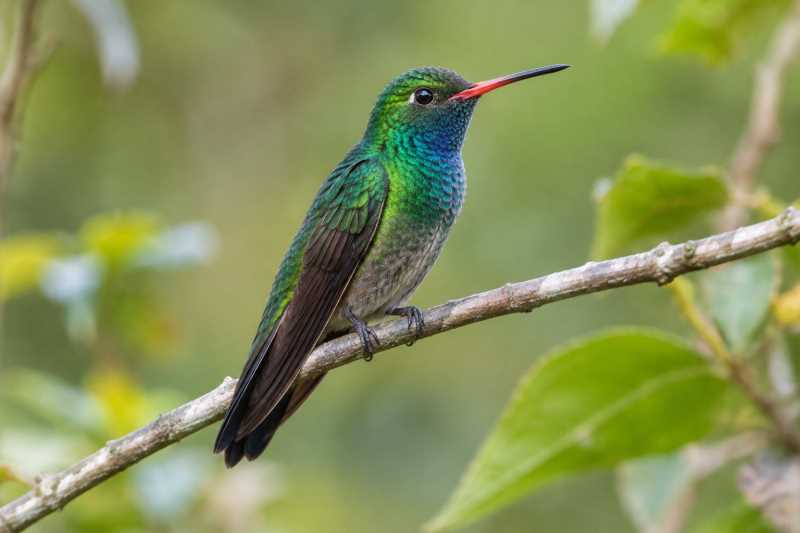
The Tres Marias Hummingbird is a medium-sized hummingbird, measuring approximately 10 to 12 centimeters in length. The bird boasts a striking appearance with iridescent green plumage on its back and crown, contrasting with a white underbelly. Its tail feathers exhibit a beautiful blend of blue and black, providing an additional splash of color. The males are generally more colorful than the females, a common trait among hummingbirds, which aids in attracting mates.
This species is known for its agile flight and remarkable hovering ability, which it uses adeptly to feed on nectar from a variety of flowering plants. The long, slender bill of the Tres Marias Hummingbird is perfectly adapted for nectar feeding, allowing it to reach deep into flowers. In addition to nectar, these hummingbirds supplement their diet with small insects and spiders, providing essential proteins.
Tres Marias Hummingbirds are solitary creatures, coming together only during the breeding season. Males perform elaborate aerial displays to attract females, showcasing their agility and vibrant plumage. Once a pair is established, the female takes on the sole responsibility of building the nest, incubating the eggs, and raising the chicks.
Conservation Status and Threats
The Tres Marias Hummingbird is currently classified as Near Threatened by the International Union for Conservation of Nature (IUCN). This classification reflects the bird’s limited range and the ongoing threats to its habitat. The primary threat to the species is habitat destruction, primarily due to human activities such as agriculture, logging, and infrastructure development. Additionally, invasive species pose a significant risk by competing for resources or directly preying on native species.
Conservation efforts are crucial to ensuring the survival of the Tres Marias Hummingbird. These efforts include habitat protection and restoration, as well as measures to control and eradicate invasive species. Engaging local communities in conservation initiatives and promoting sustainable land-use practices are also vital components of protecting this unique bird.
Research and Monitoring
Ongoing research and monitoring efforts are essential for understanding the ecology and behavior of the Tres Marias Hummingbird. Scientists conduct field studies to gather data on population dynamics, breeding habits, and habitat preferences. Such information is invaluable for informing conservation strategies and assessing the effectiveness of current protection measures.
Citizen science initiatives also play a role in monitoring the hummingbird population. Local residents and visiting birdwatchers can contribute valuable observations and data, helping to build a comprehensive picture of the species’ status and distribution. These collaborative efforts enhance the capacity to detect changes in population trends and respond swiftly to emerging threats.
The Importance of Preserving Endemic Species
The Tres Marias Hummingbird is not just an isolated case of a species in need of conservation; it is emblematic of the broader challenges faced by endemic species worldwide. These species often exist in fragile ecosystems and are particularly vulnerable to environmental changes and human activities. Preserving such species is crucial for maintaining biodiversity, ecological balance, and the overall health of ecosystems.
By protecting the Tres Marias Hummingbird, we contribute to the preservation of the unique biological heritage of the Tres Marias Islands and underscore the importance of conserving biodiversity on a global scale. These efforts are a testament to the value of each species, no matter how small, in the intricate web of life that sustains our planet.
In conclusion, the Tres Marias Hummingbird is a captivating and vital component of the Tres Marias Islands’ ecosystem. Through dedicated conservation efforts and increased awareness, there is hope that this vibrant species will continue to thrive in its natural habitat, inspiring future generations to cherish and protect the natural world.
Related posts