Introduction
The Sumatran Giant White-toothed Shrew, scientifically known as Crocidura lepidura, is a fascinating mammal species belonging to the Soricidae family. This shrew is native to the forested regions of Sumatra, an island in Indonesia. Despite its name, this species is not as widely recognized as other mammals, making it an intriguing subject for wildlife enthusiasts and researchers alike. This article delves into the various aspects of the Sumatran Giant White-toothed Shrew, including its physical characteristics, habitat, behavior, and conservation status.
The Sumatran Giant White-toothed Shrew is a significant species due to its role in the ecosystem as an insectivore. It helps control insect populations and contributes to the ecological balance within its habitat. Understanding this species is crucial for conservation efforts, given the increasing threats to its survival due to habitat loss and environmental changes.
Physical Description
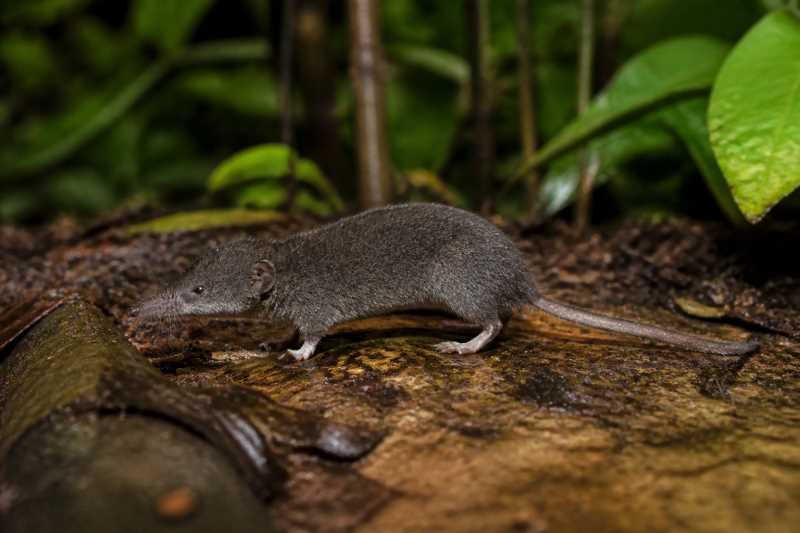
The Sumatran Giant White-toothed Shrew is distinguished by its relatively large size compared to other shrew species. It measures approximately 10 to 12 cm in body length, with an additional tail length of about 7 to 9 cm. The shrew’s weight ranges from 20 to 25 grams, making it one of the heftier members of the Crocidura genus.
This shrew’s fur is predominantly grayish-brown with a slight speckling of white, providing excellent camouflage in its forest habitat. The fur is dense and soft, aiding in thermoregulation, which is vital for a species with a high metabolic rate. One of the most notable features of the Sumatran Giant White-toothed Shrew is its large, sharp teeth, which are adapted for efficiently consuming its insect prey. Its eyes are small and beady, while its ears are rounded and proportionate to its head size, which are typical characteristics of shrews.
Range and Habitat
The Sumatran Giant White-toothed Shrew is endemic to the island of Sumatra, Indonesia. Its range is primarily confined to the lowland and montane forests that span the island. These forests provide the essential cover and resources that the shrew requires for survival.
This species thrives in moist, dense undergrowth where it can find ample food and nesting sites. The shrew’s habitat is characterized by a rich layer of leaf litter, fallen branches, and decaying plant material, which supports a diverse community of insects and other invertebrates. The Sumatran Giant White-toothed Shrew is often found at elevations ranging from 500 to 2000 meters, where the climate is relatively cooler and more humid, providing optimal conditions for its survival.
Behavior and Diet
The Sumatran Giant White-toothed Shrew is primarily nocturnal, with peak activity occurring during the night. This nocturnal behavior helps reduce competition with other diurnal species and may also provide some protection from predators. The shrew is a solitary creature, with individuals maintaining distinct territories that they defend aggressively against intruders.
The diet of the Sumatran Giant White-toothed Shrew is mainly composed of insects and other small invertebrates. It is an opportunistic feeder, consuming a variety of prey items, including beetles, spiders, and earthworms. Its sharp teeth and keen sense of smell make it an efficient hunter, capable of detecting prey hidden beneath leaf litter or within decaying wood. The shrew’s high metabolic rate necessitates frequent feeding, and it spends a significant portion of its active hours foraging.
Identification Tips (Field Recognition Cues)
Identifying the Sumatran Giant White-toothed Shrew in the field can be challenging due to its elusive nature and similarity to other shrew species. However, there are several key features that can aid in identification:
- Size and Proportion: Look for a larger-than-average shrew with a body length of 10 to 12 cm and a tail length of 7 to 9 cm.
- Fur Coloration: Note the grayish-brown fur with a hint of white speckling, which provides camouflage in the forest floor.
- Teeth and Skull: The presence of large, sharp teeth is a distinguishing feature, although observing this detail may require close examination.
- Habitat: Focus on searching in lowland and montane forests with dense undergrowth and leaf litter.
- Behavior: Observe nocturnal activity patterns and solitary behavior, which are characteristic of this species.
Conservation Status (with Threats and Protections)
The Sumatran Giant White-toothed Shrew is currently classified as a species of "Least Concern" by the International Union for Conservation of Nature (IUCN). However, this status does not imply that the species faces no threats. The primary threat to the Sumatran Giant White-toothed Shrew is habitat loss due to deforestation for agriculture, logging, and infrastructure development.
Conservation efforts are crucial to ensuring the survival of this species. Protecting the forest habitats in Sumatra is essential, and this can be achieved through the establishment of protected areas and sustainable land management practices. Raising awareness about the ecological importance of the Sumatran Giant White-toothed Shrew can also aid in garnering support for conservation initiatives.
Frequently Asked Questions
What do Sumatran Giant White-toothed Shrews eat?
The Sumatran Giant White-toothed Shrew primarily feeds on insects and small invertebrates, including beetles, spiders, and earthworms. It is an opportunistic feeder, relying on its keen sense of smell and sharp teeth to hunt effectively.
Where can I find the Sumatran Giant White-toothed Shrew?
This species is endemic to Sumatra, Indonesia, and is typically found in lowland and montane forests. Look for them in areas with dense undergrowth and a rich layer of leaf litter, which provide ample food and nesting sites.
Are Sumatran Giant White-toothed Shrews endangered?
Currently, the Sumatran Giant White-toothed Shrew is listed as "Least Concern" by the IUCN. However, habitat loss due to deforestation poses a significant threat to its population, making conservation efforts important for its long-term survival.
How does the Sumatran Giant White-toothed Shrew contribute to its ecosystem?
As an insectivore, the shrew plays a vital role in controlling insect populations, helping to maintain ecological balance within its habitat. Its presence indicates a healthy forest ecosystem.
What adaptations help the Sumatran Giant White-toothed Shrew survive?
The shrew’s adaptations include its nocturnal habits, sharp teeth for hunting, and camouflage provided by its fur coloration. These traits enhance its ability to find food and avoid predators in its forest environment.
Related posts