Introduction
The Limnos Blind Mole-rat, scientifically known as Nannospalax insularis, is a fascinating subterranean mammal species endemic to the island of Limnos in Greece. These intriguing creatures have captivated the interest of scientists and wildlife enthusiasts alike due to their unique adaptations to a life underground. Understanding the Limnos Blind Mole-rat’s biology and ecological role is crucial for its conservation, especially in the face of increasing environmental challenges.
Physical Description
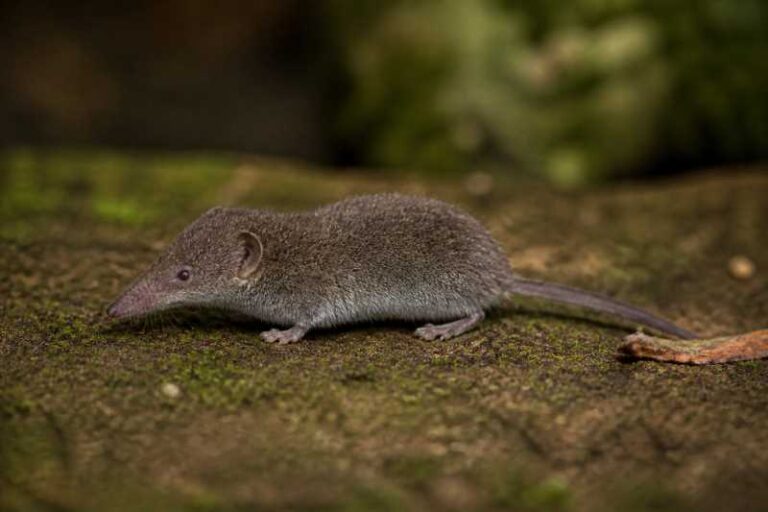
The Limnos Blind Mole-rat is characterized by its cylindrical body, which is well-suited for burrowing. Adult individuals typically measure between 15 to 25 cm in length and weigh around 100 to 200 grams. Their fur is short, dense, and generally grayish-brown in color, providing them with effective camouflage against the soil in their natural habitat.
One of the most distinctive features of the Limnos Blind Mole-rat is its eyes, which are covered by skin and fur, rendering them functionally blind. Instead of relying on vision, these mole-rats have evolved heightened senses of touch and smell to navigate and forage in their underground environment. Their large, powerful forelimbs and prominent incisors are adapted for digging, allowing them to efficiently excavate soil and create extensive tunnel networks.
Range and Habitat
Nannospalax insularis is exclusively found on the island of Limnos, located in the northern Aegean Sea. This geographical restriction makes them an endemic species with a limited distribution range. The island’s diverse landscapes, including agricultural fields, grasslands, and scrublands, provide suitable habitats for these subterranean mammals.
Limnos Blind Mole-rats prefer loose, well-drained soils that facilitate burrowing. They construct elaborate tunnel systems that can extend several meters below the surface. These subterranean habitats protect them from predators and extreme weather conditions, offering a stable environment for raising their young and storing food.
Behavior and Diet
Limnos Blind Mole-rats are solitary creatures, with individuals typically occupying separate tunnel systems. They are highly territorial and communicate with one another through a series of vocalizations and seismic signals produced by drumming their heads against the tunnel walls. This behavior helps them maintain their territories and avoid confrontations with neighbors.
Their diet primarily consists of roots, tubers, and bulbs, which they locate using their keen sense of smell. By foraging underground, they minimize exposure to predators and harsh environmental conditions. The mole-rats store excess food in their tunnels to sustain them through periods of scarcity.
Identification Tips
Identifying the Limnos Blind Mole-rat in the field can be challenging due to their subterranean lifestyle. However, there are several cues that can aid in their recognition:
- Mounds of Earth: Look for small mounds of freshly excavated soil, which are signs of recent tunneling activity.
- Tunnels: Discovering entrance and exit holes can indicate the presence of these mole-rats.
- Vocalizations: Listen for soft, rhythmic tapping sounds, which may be communication signals from underground.
Conservation Status
The Limnos Blind Mole-rat is currently classified as a species of concern due to its restricted range and the pressures on its habitat. Urbanization, agricultural expansion, and habitat fragmentation pose significant threats to its survival. Additionally, the use of pesticides and rodenticides in agricultural areas can have detrimental effects on their populations.
Conservation efforts are focused on habitat preservation and management. Protecting the island’s natural landscapes, promoting sustainable agricultural practices, and conducting further research on the species’ ecology are crucial steps in safeguarding the future of the Limnos Blind Mole-rat.
Frequently Asked Questions
What adaptations do Limnos Blind Mole-rats have for underground living?
Limnos Blind Mole-rats have evolved several adaptations for a subterranean lifestyle, including reduced eyesight, heightened senses of touch and smell, strong forelimbs for digging, and incisors for excavating soil.
How do Limnos Blind Mole-rats communicate?
These mole-rats communicate through vocalizations and seismic signals. They produce tapping sounds by drumming their heads against tunnel walls, which helps them convey messages and establish territory.
Why are Limnos Blind Mole-rats considered endangered?
The species is considered at risk due to its limited range on Limnos Island and threats from habitat loss, agricultural practices, and chemical exposure.
What is the primary diet of Limnos Blind Mole-rats?
Their diet mainly consists of roots, tubers, and bulbs, which they locate and consume underground to avoid predators and environmental extremes.
How can I help in the conservation of Limnos Blind Mole-rats?
Supporting conservation initiatives, promoting awareness about the species, and advocating for sustainable land use practices on Limnos Island can contribute to the protection of this unique mammal.
Related posts