Introduction
The Naked-tailed White-toothed Shrew, scientifically known as Crocidura littoralis, is a small, elusive mammal that belongs to the family Soricidae. This species is one of the many members of the genus Crocidura, commonly referred to as the white-toothed shrews due to their distinctive dental characteristics. Despite its relatively obscure status in the animal kingdom, the Naked-tailed White-toothed Shrew plays a crucial role in its ecosystem as both a predator and prey.
Understanding the biology and ecology of the Naked-tailed White-toothed Shrew is essential for appreciating its importance in biodiversity and for ensuring its conservation. This article delves into various aspects of this intriguing species, providing insights into its physical features, habitat preferences, behavioral patterns, and the challenges it faces for survival.
Physical Description
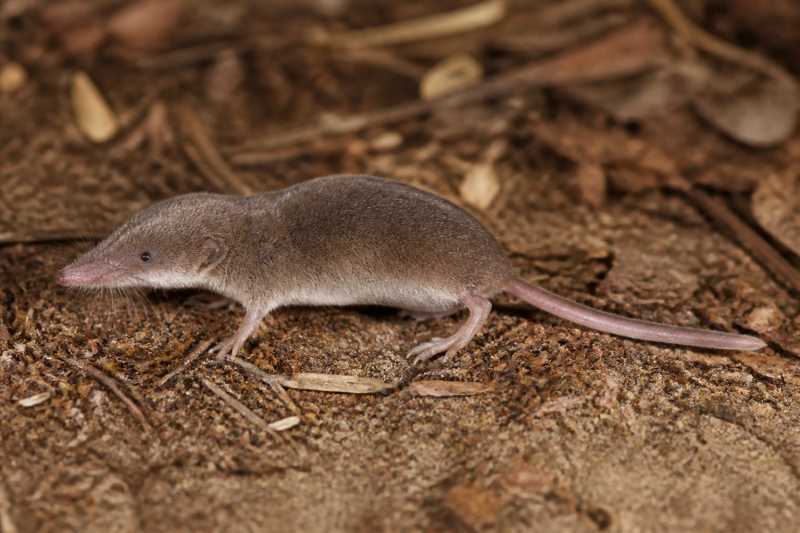
The Naked-tailed White-toothed Shrew is a diminutive mammal characterized by its slender body and pale dental coloration. Typically, the shrew measures between 60 to 80 mm in body length, with a tail accounting for an additional 40 to 60 mm. It weighs between 5 to 10 grams, making it one of the lighter members of the Crocidura genus.
The shrew’s fur is typically grayish-brown on the dorsal side, transitioning to a lighter hue ventrally. As its name suggests, the tail is relatively devoid of fur, appearing naked and providing a stark contrast to the rest of its body. The tail’s sparsity of hair assists in thermoregulation and tactile sensation.
In terms of dental structure, the shrew possesses sharp, white teeth that are well-adapted for an insectivorous diet. Unlike many other mammals, it lacks pigmentation in its teeth, which is a defining characteristic of the white-toothed shrews.
Range and Habitat
Crocidura littoralis is predominantly found in subtropical and tropical regions. Its distribution is primarily concentrated along coastal areas, hence the species name "littoralis," which denotes its association with shorelines. The shrew thrives in a variety of habitats, including mangroves, coastal forests, and grasslands.
Naturalists have recorded its presence in several African countries, where it often inhabits moist, dense undergrowth and leaf litter. The species’ adaptability to different environmental conditions allows it to occupy a range of ecological niches, although it shows a preference for areas with abundant cover and food resources.
Behavior and Diet
The Naked-tailed White-toothed Shrew is primarily nocturnal, engaging in most of its activities under the cover of darkness. Its behavior is marked by high energy levels, driven by its fast metabolism, which requires frequent feeding.
In terms of diet, the shrew is predominantly insectivorous, feeding on a variety of invertebrates such as insects, worms, and spiders. Its acute sense of smell and hearing aids in locating prey, while its sharp teeth are adept at capturing and consuming its meals. The shrew’s diet plays a significant role in controlling insect populations, making it an integral component of its ecosystem.
Socially, the Naked-tailed White-toothed Shrew is solitary, with individuals maintaining exclusive territories. Breeding occurs throughout the year, with females giving birth to multiple litters annually, each containing two to six offspring.
Identification Tips (Field Recognition Cues)
Identifying the Naked-tailed White-toothed Shrew in the field requires attention to several key features:
- Size and Tail: Look for a small mammal with a body length of 60 to 80 mm and a noticeably naked tail.
- Fur Coloration: Observe the grayish-brown dorsal fur, which lightens on the ventral side.
- Dental Features: Note the presence of sharp, white teeth typical of the white-toothed shrews.
- Behavior: Activity patterns are usually nocturnal, and they are often seen scurrying through leaf litter or dense vegetation.
Conservation Status (With Threats and Protections)
The conservation status of the Naked-tailed White-toothed Shrew is not well-documented, primarily due to the lack of comprehensive studies. However, habitat destruction poses a significant threat to its populations. Coastal development, deforestation, and agriculture are leading to the loss and fragmentation of its natural habitats.
Conservation efforts for the shrew must focus on habitat preservation and restoration. Protected areas that safeguard coastal and forest ecosystems can provide crucial refuges for this species. Increasing awareness and conducting further research are vital steps toward ensuring the shrew’s long-term survival.
Frequently Asked Questions
Why is this species unique?
The Naked-tailed White-toothed Shrew is unique due to its adaptation to coastal habitats, its nocturnal lifestyle, and its role as a predator of insect populations. Its naked tail and white teeth further distinguish it from other shrew species.
What are the main threats to the Naked-tailed White-toothed Shrew?
The primary threats include habitat destruction from coastal development and deforestation. These activities lead to habitat loss and fragmentation, which can adversely affect its populations.
How can we help in conserving this species?
Conservation efforts can include protecting natural habitats, supporting research initiatives, and promoting awareness about the importance of biodiversity. Engaging in or supporting habitat restoration projects can also benefit the Naked-tailed White-toothed Shrew.
Where is the Naked-tailed White-toothed Shrew found?
This species is primarily found in coastal regions in Africa, inhabiting areas such as mangroves, coastal forests, and grasslands, where it can find ample cover and food resources.
What does the diet of this shrew consist of?
The Naked-tailed White-toothed Shrew primarily feeds on insects and other small invertebrates. Its diet includes worms, spiders, and various insects, which it hunts using its keen sense of smell and hearing.
Related posts