Introduction
The Common Pygmy Fruit Bat, scientifically known as Aethalops alecto, is a fascinating member of the Pteropodidae family. This small bat species is primarily found in Southeast Asia’s lush tropical forests, where it plays a critical role in the ecosystem as a pollinator and seed disperser. Despite its small size, the Common Pygmy Fruit Bat has a significant impact on the biodiversity of its habitat, making it a vital subject of study for conservationists and ecologists alike.
Physical Description
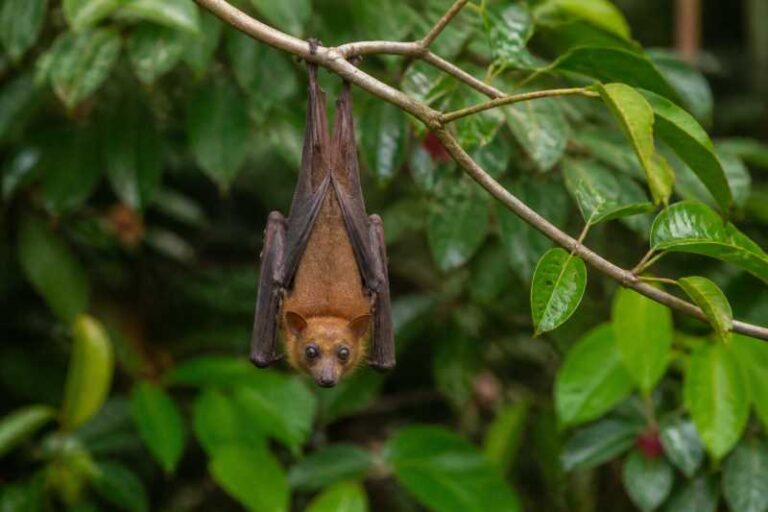
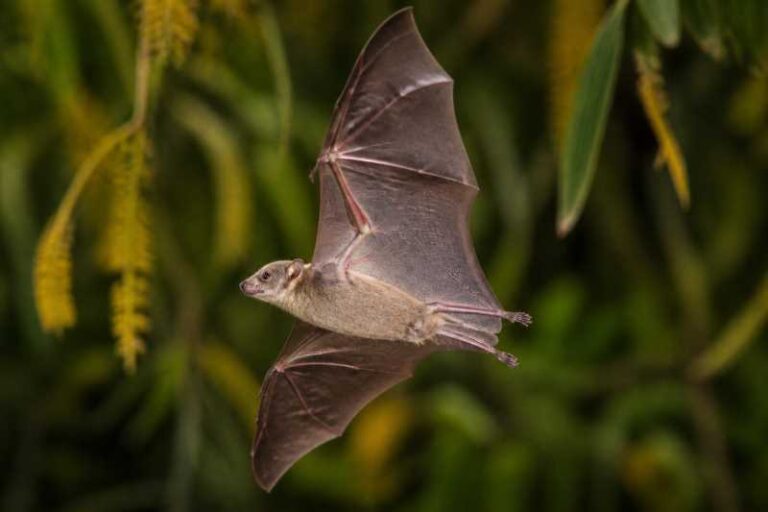
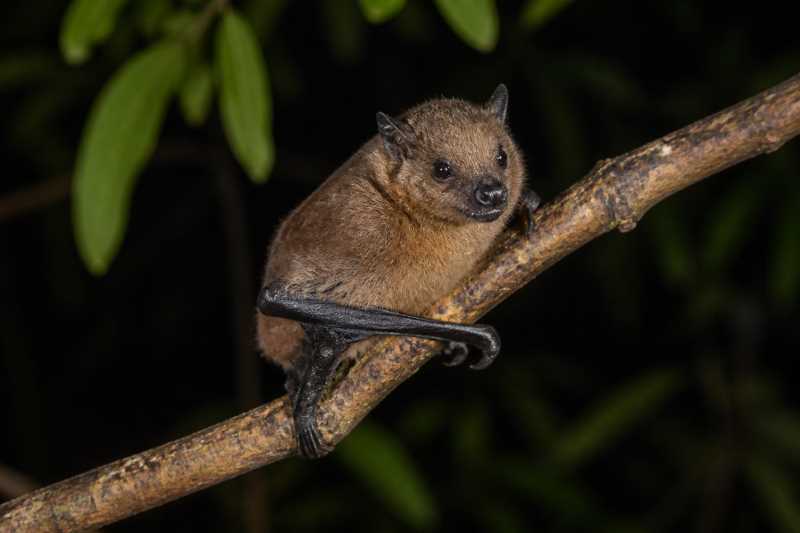
The Common Pygmy Fruit Bat is a relatively small bat species with a body length ranging from 60 to 70 millimeters and a wingspan of approximately 240 to 280 millimeters. It typically weighs between 10 to 18 grams. Its fur is a soft brown or grey color, which provides excellent camouflage among the foliage of its forest habitat. The bat’s face is characterized by large, expressive eyes and a short, pointed muzzle, features that are well-adapted for its nocturnal lifestyle. Its ears are relatively small and rounded, aiding in its acute sense of hearing.
The bat’s wings are long and narrow, with a leathery texture that allows for agile and precise flight. These adaptations are crucial for maneuvering through dense forest canopies as the bat searches for food.
Range and Habitat
The Common Pygmy Fruit Bat is predominantly found in Southeast Asia, with its range extending across Malaysia, Indonesia, Thailand, and the Philippines. Within these countries, the bat inhabits lowland tropical forests, montane rainforests, and occasionally, human-modified landscapes such as plantations and gardens.
These bats prefer areas with abundant fruiting trees and flowering plants, as these resources are essential for their survival. They often roost in tree cavities, caves, and sometimes in man-made structures, forming small colonies that offer protection from predators and environmental stresses.
Behavior and Diet
As a nocturnal creature, the Common Pygmy Fruit Bat is most active during the evening and nighttime hours. It emerges from its roost at dusk, embarking on foraging flights in search of food. The bat’s diet consists primarily of fruits, nectar, and pollen, making it a critical pollinator and seed disperser for many plant species in its ecosystem. This dietary habit benefits both the bat and the plants, as the plants receive pollination services while providing nourishment for the bat.
The bat uses its keen sense of smell and sight to locate food sources. Upon finding a suitable fruit or flower, the bat uses its sharp teeth to bite into the fruit or lap up nectar with its long tongue. This mutualistic relationship aids in sustaining the biodiversity of the bat’s habitat.
Identification Tips
Identifying the Common Pygmy Fruit Bat in the field can be challenging due to its small size and nocturnal habits. However, certain characteristics can help:
- Size and Coloration: Look for a small bat with brown or grey fur.
- Flight Pattern: They exhibit agile and erratic flight patterns typical of fruit bats, often seen hovering near fruiting trees or flowering plants.
- Roosting Sites: During the day, search for them in tree cavities or caves.
Field researchers often use mist nets and acoustic monitoring to capture and study these elusive creatures.
Conservation Status
The International Union for Conservation of Nature (IUCN) currently lists the Common Pygmy Fruit Bat as a species of Least Concern. However, it faces several threats that could impact its population if not addressed. Habitat loss due to deforestation and agricultural expansion poses the most significant risk, as it leads to the fragmentation of their forest homes.
Conservation efforts focus on habitat preservation and restoration, particularly in regions where human activity has significantly altered the landscape. Protected areas and wildlife corridors are essential for maintaining viable populations of this species. Additionally, raising awareness about the bat’s ecological role can foster public support for conservation initiatives.
Frequently Asked Questions
1. What is the role of the Common Pygmy Fruit Bat in its ecosystem?
The Common Pygmy Fruit Bat serves as a key pollinator and seed disperser, aiding in the reproduction of numerous plant species. This role is essential for maintaining the biodiversity and health of tropical forest ecosystems.
2. How can I help in conserving the Common Pygmy Fruit Bat?
Supporting conservation organizations, advocating for habitat protection, and promoting sustainable agricultural practices can all contribute to the conservation of the Common Pygmy Fruit Bat.
3. Are Common Pygmy Fruit Bats dangerous to humans?
No, these bats are not dangerous to humans. They are shy and avoid contact with people. Instead, they play a beneficial role by helping to maintain the health of forest ecosystems.
4. What threats do Common Pygmy Fruit Bats face?
Habitat destruction due to deforestation, agricultural expansion, and urbanization are the primary threats to the Common Pygmy Fruit Bat.
5. When is the best time to observe Common Pygmy Fruit Bats?
The best time to observe these bats is during the evening and night when they are active and foraging for food.
Related posts