Introduction
The Stripe-faced Dunnart (Sminthopsis macroura) is a small, nocturnal marsupial belonging to the Dasyuridae family. As a member of the diverse carnivorous marsupial group, it plays a vital role in the ecosystems of Australia. This diminutive creature is known for its distinctive facial markings, lively behavior, and adaptability to various habitats. Despite its small size, the Stripe-faced Dunnart has garnered interest among researchers and wildlife enthusiasts alike, thanks to its unique ecological niche and intriguing life history.
Physical Description
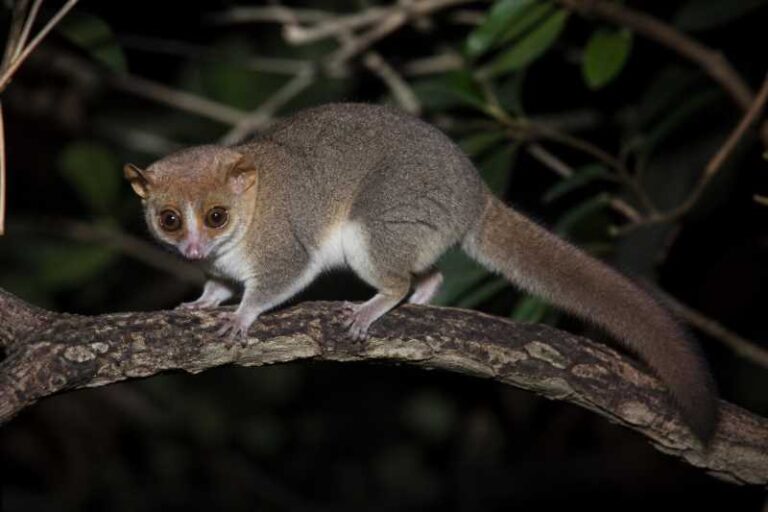
The Stripe-faced Dunnart is a petite marsupial, typically weighing between 15 to 25 grams and measuring around 160 to 190 millimeters in total length, including its tail. The most notable feature of this species is the dark stripe that runs from its nose to the crown of its head, giving the animal its common name. This stripe contrasts with the dunnart’s generally grayish-brown fur, which provides excellent camouflage in its natural environment. The underbelly is lighter in color, ranging from cream to white.
The dunnart’s tail is almost as long as its body and is used for balance and communication. Its feet are well-adapted for climbing and gripping, with sharp claws that enable the animal to maneuver through its habitat efficiently. The large, rounded ears and prominent eyes are adaptations that enhance its nocturnal lifestyle, allowing it to detect prey and predators in low-light conditions.
Range and Habitat
The Stripe-faced Dunnart is predominantly found in the arid and semi-arid regions of Australia, with its range extending across Queensland, New South Wales, South Australia, and the Northern Territory. It thrives in a variety of habitats, including open woodlands, grasslands, and shrublands. The species is particularly well-suited to environments with sandy soils and sparse vegetation, where it can easily hunt and hide from predators.
This dunnart’s adaptability to different habitats is a testament to its resilience. It can survive in areas with extreme temperature fluctuations, from the scorching heat of the day to the frigid nights. Burrows, hollow logs, and dense vegetation provide shelter and nesting sites, which are crucial for its survival in these challenging environments.
Behavior and Diet
Primarily nocturnal, the Stripe-faced Dunnart is most active during the cooler hours of the night. Its activity patterns are largely influenced by the availability of food and environmental conditions. This dunnart is a solitary creature, except during the breeding season when males and females come together to mate.
The diet of the Stripe-faced Dunnart consists mainly of insects and small invertebrates, which it hunts using its keen sense of smell and hearing. It is an opportunistic feeder, consuming a wide variety of prey items, including beetles, spiders, and moths. This dietary flexibility allows it to adapt to the fluctuating availability of food resources in its habitat.
During times of food scarcity, the dunnart can enter a state of torpor, reducing its metabolic rate to conserve energy. This physiological adaptation is crucial for survival in the unpredictable environments it inhabits.
Identification Tips (field recognition cues)
Identifying the Stripe-faced Dunnart in the field can be challenging due to its small size and elusive nature. However, several key features can help observers recognize this species:
- Facial Stripe: The distinctive dark stripe running from the nose to the crown is a primary identifying feature.
- Tail Length: A long tail, almost equal to the body length, often with a slightly tufted tip.
- Ear Shape: Large, rounded ears that are highly noticeable against its small head.
- Activity Timing: Primarily nocturnal, sightings are more likely during nighttime excursions.
Conservation Status (with threats and protections)
The Stripe-faced Dunnart is currently listed as a species of Least Concern on the IUCN Red List. However, like many native Australian species, it faces several threats that could impact its populations:
- Habitat Loss: Agricultural expansion, land clearing, and urban development are leading causes of habitat fragmentation and loss.
- Predation: Introduced species such as cats and foxes pose significant predation risks.
- Climate Change: Alterations in weather patterns and increased frequency of extreme events could affect food availability and habitat suitability.
Efforts to protect this species include habitat preservation and management, control of invasive species, and public education about the ecological role of the dunnart. Conservation programs focusing on habitat restoration and predator control are essential to ensuring the long-term survival of the Stripe-faced Dunnart.
Frequently Asked Questions
1. What is the lifespan of a Stripe-faced Dunnart? The Stripe-faced Dunnart typically has a lifespan of about 1 to 3 years in the wild. Their short lifespan is common among small marsupials, which often have high mortality rates due to predation and environmental factors.
2. How do Stripe-faced Dunnarts reproduce? Breeding occurs during the warmer months, with females giving birth to litters of up to 8 young after a gestation period of around 11 days. The young are highly undeveloped at birth and continue their development in the mother’s pouch.
3. Are Stripe-faced Dunnarts social animals? No, Stripe-faced Dunnarts are generally solitary creatures. They come together only during the breeding season, with males and females interacting briefly for mating purposes.
4. What adaptations help Stripe-faced Dunnarts survive in arid environments? Their ability to enter torpor, a state of reduced metabolic activity, helps them conserve energy during periods of food scarcity. Additionally, their nocturnal habits allow them to avoid the extreme heat of the day.
5. Where can I see a Stripe-faced Dunnart in the wild? To observe a Stripe-faced Dunnart in its natural habitat, explore the arid and semi-arid regions of Australia, particularly areas with sandy soils and sparse vegetation. Nighttime excursions increase the likelihood of sightings.
Related posts